 WeCult App
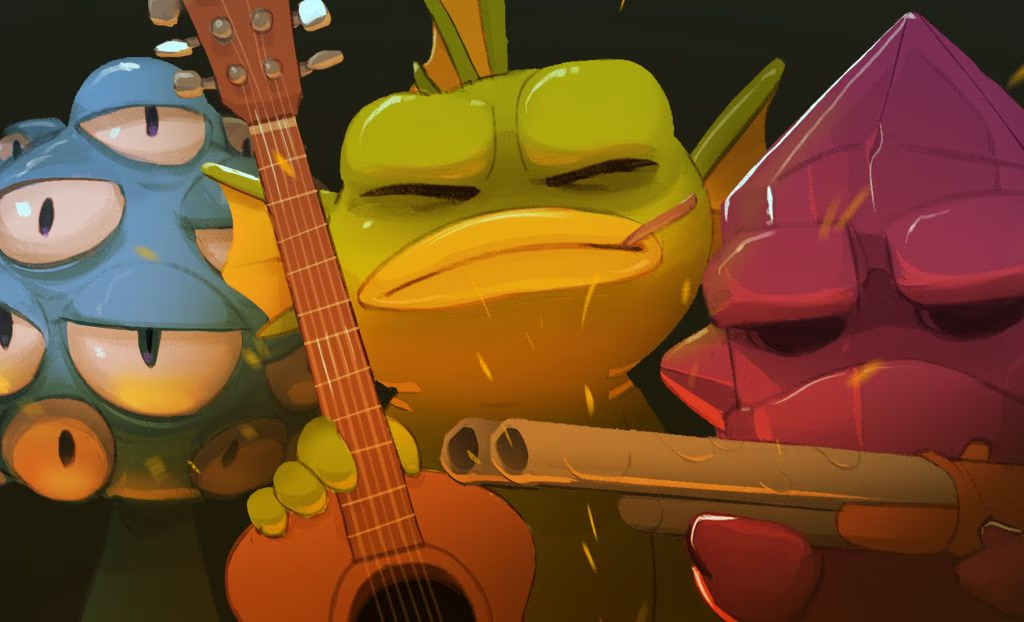
Industry's 'Fear of Risk' Is the Biggest Threat, Says Nuclear Throne Producer
A leading game developer argues the industry's aversion to innovation is stifling creativity and jeopardizing its future. As budgets soar, publishers lean on sequels and remakes, potentially leading to a less exciting landscape for players.
The video game industry is facing a significant internal threat, one that isn't tied to a specific platform or technology but rather a pervasive mindset: a fear of risk. According to Rami Ismail, co-founder of Vlambeer and producer of the beloved roguelike Nuclear Throne, this aversion to the unknown is "currently the largest risk it faces." In a discussion at the DevGAMM Madeira Games Summit, Ismail's workgroup explored how the industry is "moving fast and losing what made us good," emphasizing the erosion of creativity and craft.
With development budgets skyrocketing and competition fiercer than ever, publishers are increasingly opting for the perceived safety of established franchises, sequels, and remakes. This strategy, while seemingly prudent, risks creating a homogenous market. "Many of the more fearful reflexes of the industry aim to sand down the rough edges of creative work, creating homogenous and bland works that 'check all the boxes' but are nevertheless (or, consequently) insincere, uninspiring and uninterested," Ismail explained. He stressed that "courage is a consistent factor of most hit titles; in funding, in publishing, in marketing, and in investment." Examples like the indie darlings Balatro and Peak demonstrate that bold, creative endeavors can still achieve massive success, defying the notion that only safe bets can win.
The Double-Edged Sword of Generative AI
The conversation around risk management also touches upon emerging technologies like generative AI. While many players express valid concerns about AI being used to undermine creative talent through cheap labor, game companies are actively experimenting with its potential across production pipelines. From streamlining backroom tasks with large language models to exploring AI's role in content creation, the industry is cautiously navigating this new frontier. This experimentation itself represents a form of risk-taking, but the underlying fear of failure could stifle its innovative application, leading to a scenario where AI is used only for incremental improvements rather than transformative changes.
Why This Matters to Players
For passionate gamers who crave fresh experiences and innovative gameplay, this industry-wide hesitancy is a significant concern. The reliance on sequels and remakes, while offering comfort in familiarity, can lead to a predictable and less exciting landscape. The very creativity that draws fans to games risks being diluted in a sea of safe, formulaic titles. The success of games like Nuclear Throne itself, which dared to be different, serves as a reminder of the potential that is lost when courage is sidelined in favor of caution. Players want to be surprised, delighted, and challenged by new ideas, not just offered updated versions of what they've already played.
What's Next
As the industry grapples with these challenges, the focus will likely remain on finding a balance between commercial viability and creative ambition. Developers and publishers who can embrace calculated risks, foster genuine innovation, and manage emerging technologies like AI thoughtfully will be best positioned for long-term success and to keep players engaged with exciting new experiences.
This analysis from Rami Ismail highlights a critical tension: the industry's need for blockbuster hits versus the inherent risk in true creative leaps, with generative AI adding another layer of complex considerations.

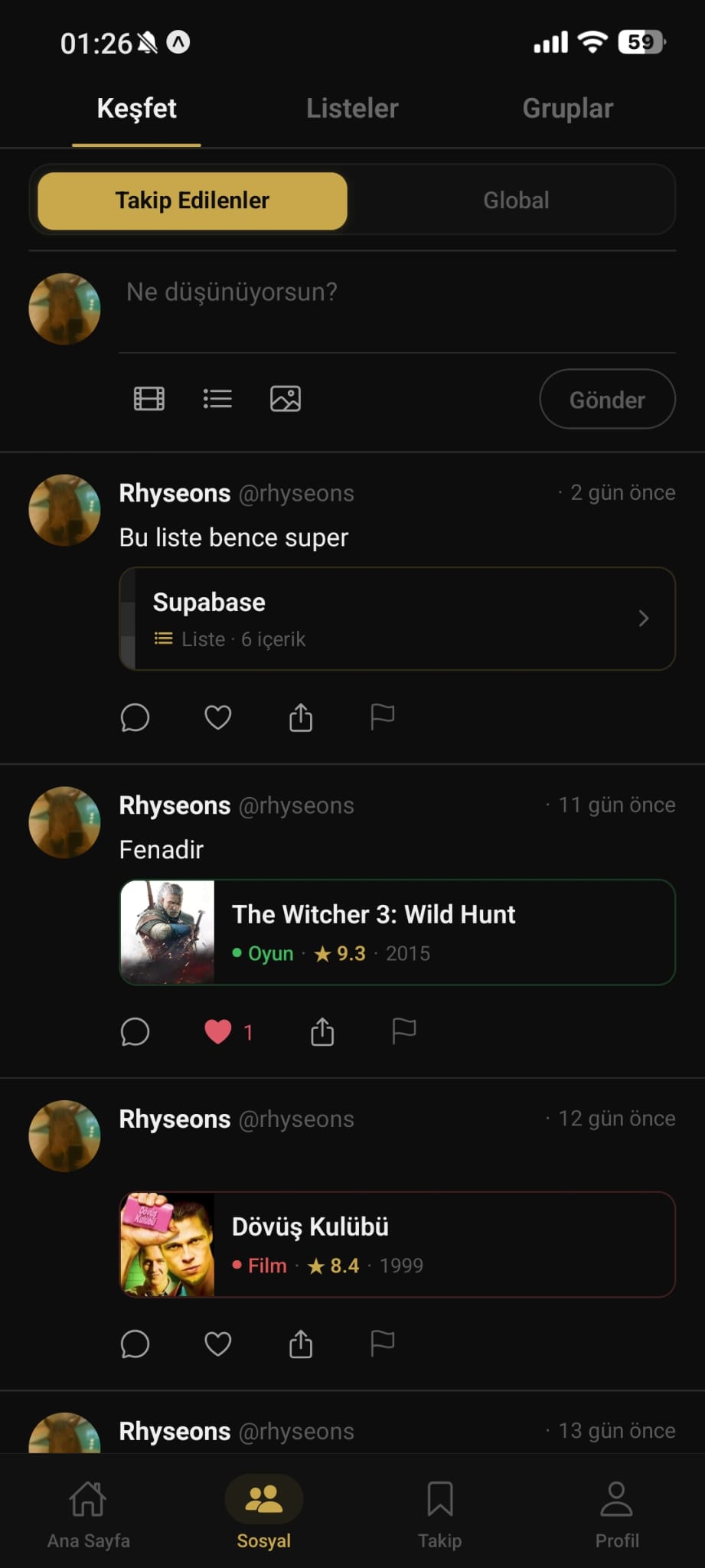
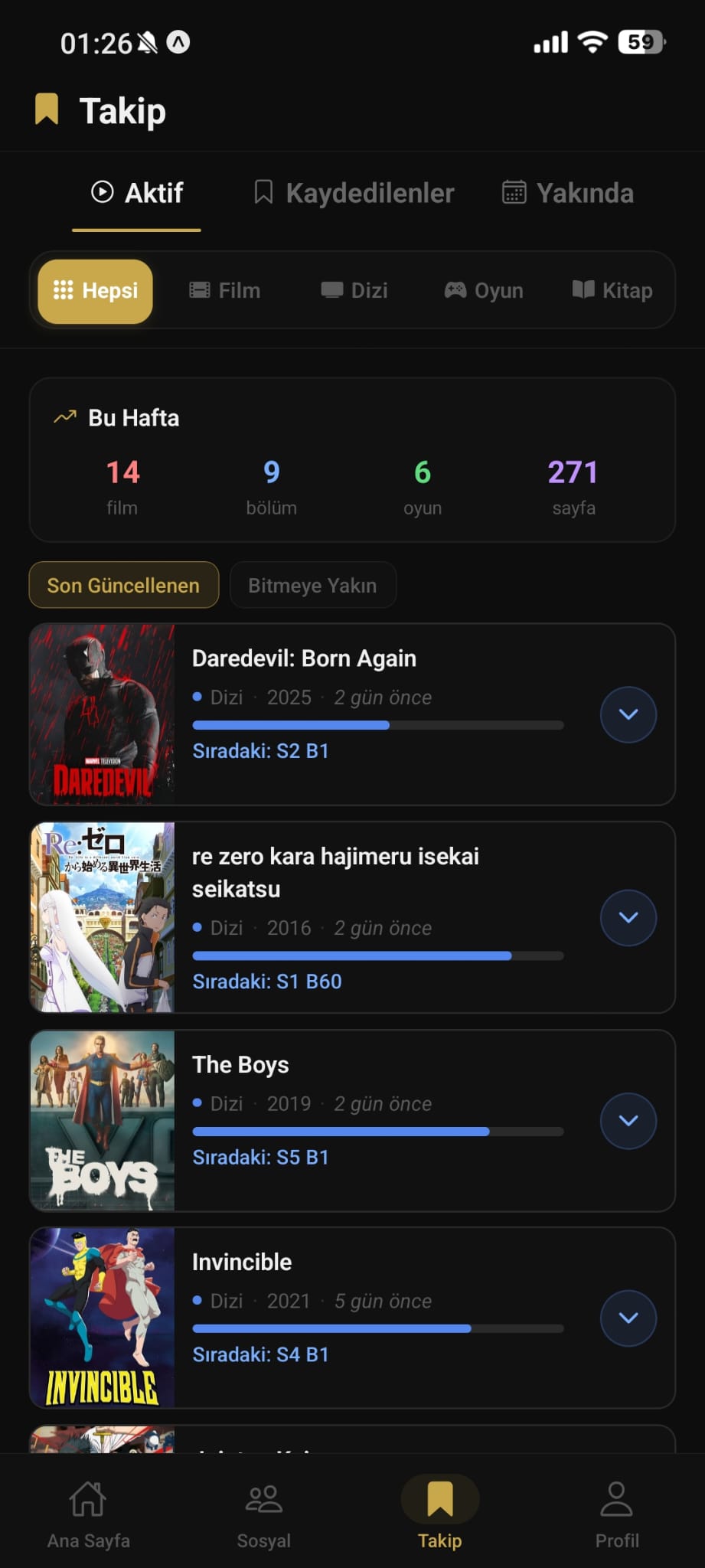
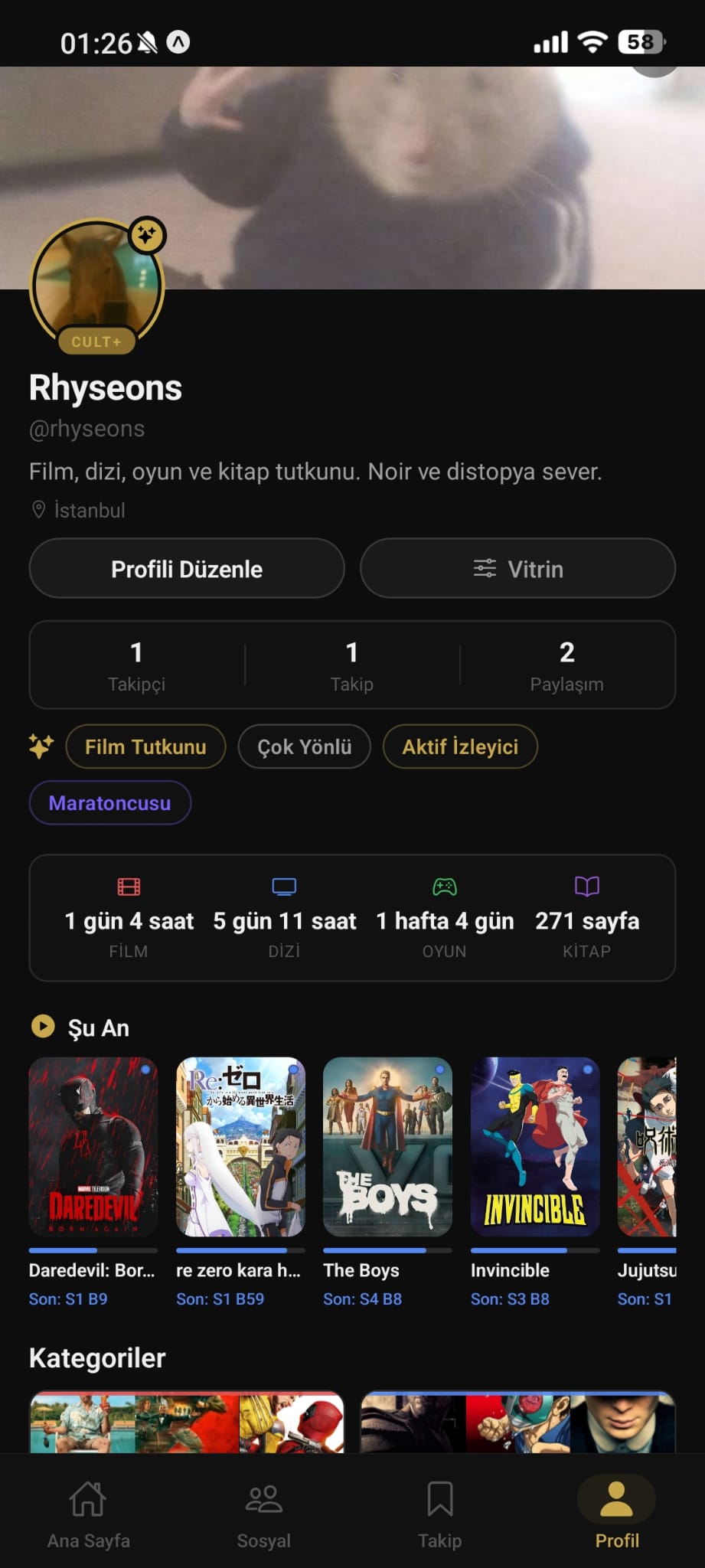
WeCult App
Track your games — all in one place
Follow releases, track progress, discover what matches your taste. Rate "Industry's 'Fear of Risk' Is the Biggest…" on the app.
Benzer Haberler
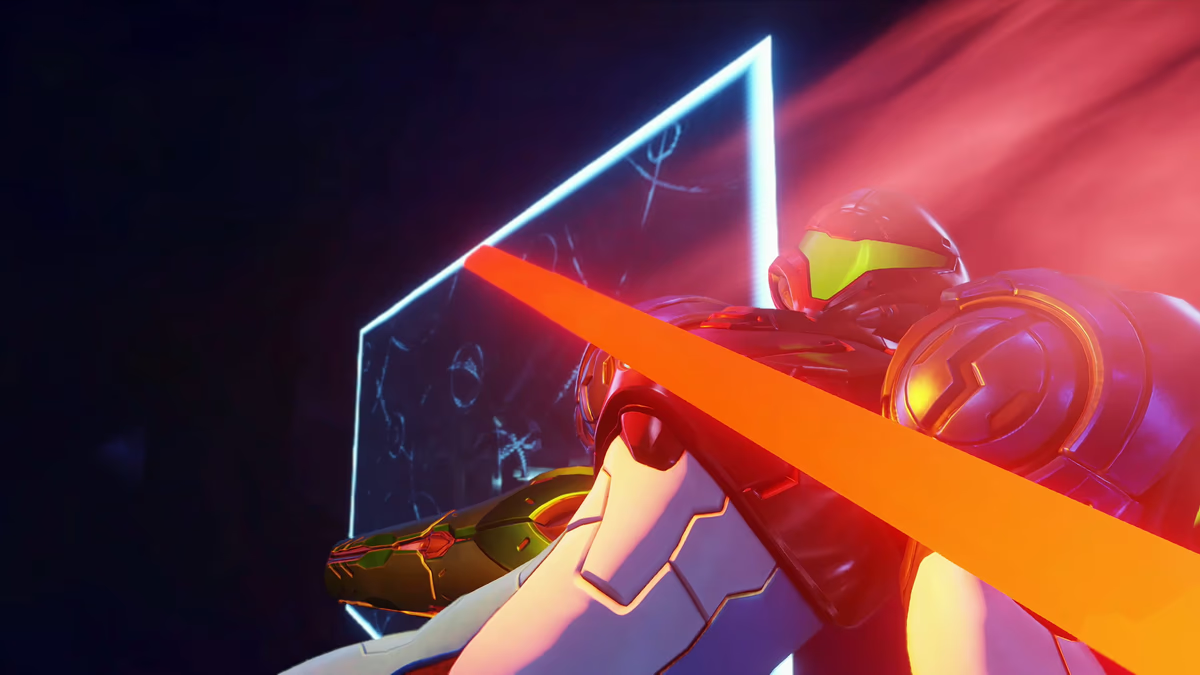
Metroid Ravenous Announced for Switch 2, A Sequel to Dread
Samus Aran's next 2D adventure, Metroid Ravenous, has been officially revealed for the Nintendo Switch 2. It's a direct sequel to the critically acclaimed Metroid Dread.

GTA 6 Netflix Reveal Ignites UK Console Sales Surge
The first official look at Grand Theft Auto 6, aired via Netflix, has dramatically boosted PlayStation and Xbox hardware sales in the UK. This unexpected surge highlights the immense anticipation for Rockstar's next blockbuster title.
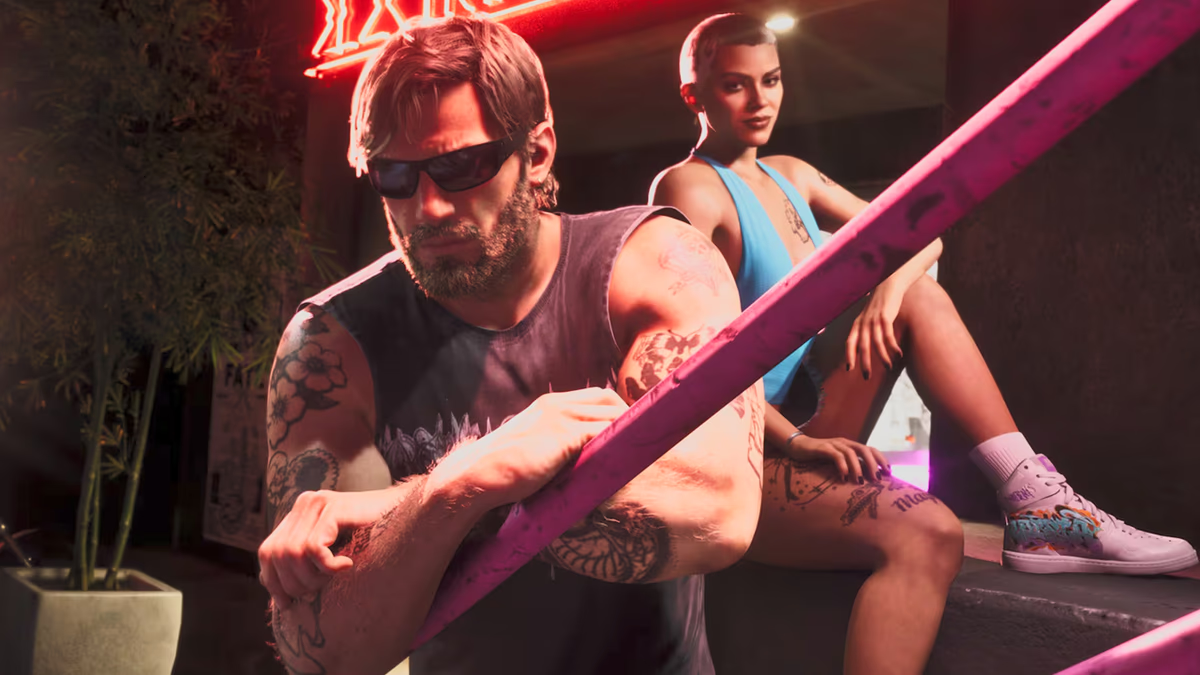
GTA 6 Will Launch Without Microtransactions or AI, Rockstar Confirms
Rockstar Games has officially revealed that Grand Theft Auto 6 will debut with no microtransactions or generative AI. This significant announcement aims to set a precedent for a clean launch, focusing on the core gameplay experience.