 WeCult App
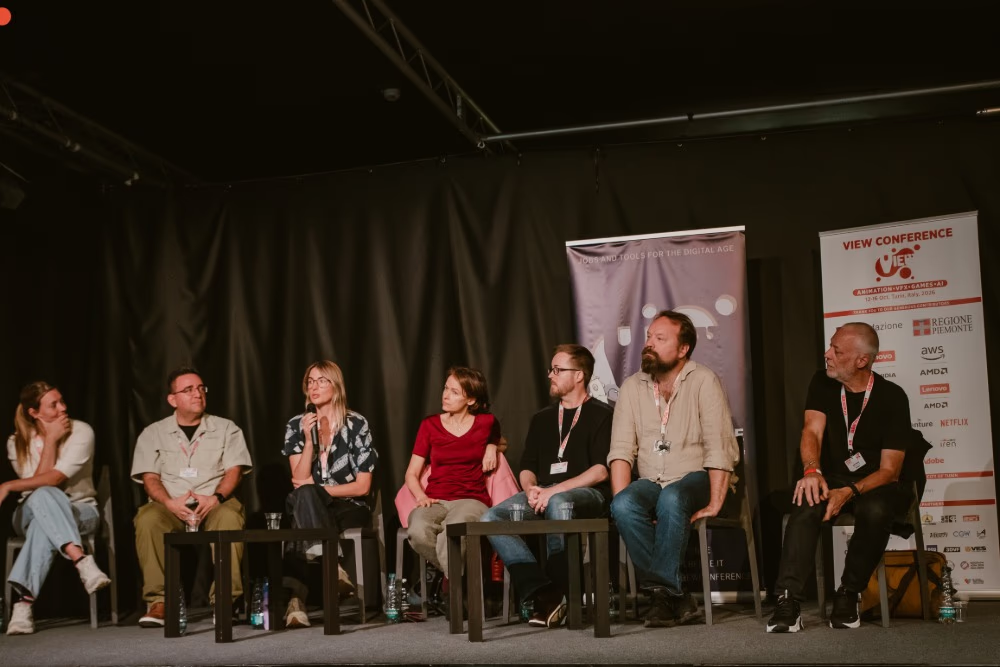
God of War & Mandalorian Vets Reveal Cinema's Secret Influence on Games
Two titans of interactive entertainment, Bruno Velazquez of 'God of War' and Hal Hickel from 'The Mandalorian & Grogu,' shared insights into the blurring lines between filmmaking and game development. Their discussion at the View Conference highlighted innovative techniques borrowed from cinema to enhance player immersion.
The worlds of cinema and video games are no longer just adjacent; they're actively influencing and borrowing from each other. At the recent View Conference in Turin, Bruno Velazquez, game director at Sony Santa Monica Studio, and Hal Hickel, a veteran of projects like The Mandalorian, detailed how techniques honed in Hollywood are revolutionizing game development.
Velazquez revealed that the ambitious goal for the two most recent God of War titles was to present the sprawling adventures as if they were one continuous, uninterrupted shot. This cinematic approach, aiming to draw players deeper into Kratos's brutal journey without the jarring cut of traditional scene changes, draws a direct line to filmmaking’s mastery of flow and immersion. The inspiration, he noted, even touched upon the groundbreaking visual effects technology pioneered by James Cameron for his Avatar films, showcasing how cutting-edge visual innovation can ripple across creative industries.
The Virtual Eye of the Filmmaker
Hal Hickel brought a different, yet equally fascinating, perspective from his work on The Mandalorian & Grogu. He described the groundbreaking use of virtual reality, specifically mentioning the Apple Vision Pro, as a pivotal tool for scouting and designing digital environments. This wasn't just about looking at concept art; it was about experiencing the space. Hickel explained how his team could virtually place themselves within the digital sets and even simulate different seating positions inside an IMAX auditorium. This allowed them to meticulously judge scale, understand spatial relationships, and determine which elements would benefit most from practical construction versus digital realization. This VR scouting process is crucial for ensuring that the massive, awe-inspiring worlds feel grounded and believable, no matter the platform.
Crafting the Perfect Playthrough
The pursuit of seamless storytelling and immersive worlds in games like God of War extends beyond visual techniques. Velazquez also touched upon the rigorous development process, which includes scheduled play-tests, detailed facial recordings, and precise eye-tracking data. Coupled with in-depth player surveys, these methods allow developers to meticulously refine the player experience. This blend of artistic vision and scientific analysis ensures that every moment, from the grandest spectacle to the subtlest character interaction, is crafted with the player’s engagement as the paramount concern. It’s a testament to how deeply integrated the creative and technical aspects of game development have become, mirroring the collaborative spirit of filmmaking.
What's Next
As these creative boundaries continue to dissolve, we can anticipate even more ambitious storytelling and visual fidelity in future games and films. The techniques discussed by Velazquez and Hickel are not just isolated innovations but indicators of a broader trend towards cross-pollination, promising richer, more cinematic interactive experiences for fans worldwide.
This piece dives into how cinematic ambition is directly shaping the interactive experiences we love, offering a glimpse into the future of storytelling across mediums.




WeCult App
Track your films — all in one place
Follow releases, track progress, discover what matches your taste. Rate "God of War & Mandalorian Vets Reveal Cin…" on the app.
Benzer Haberler
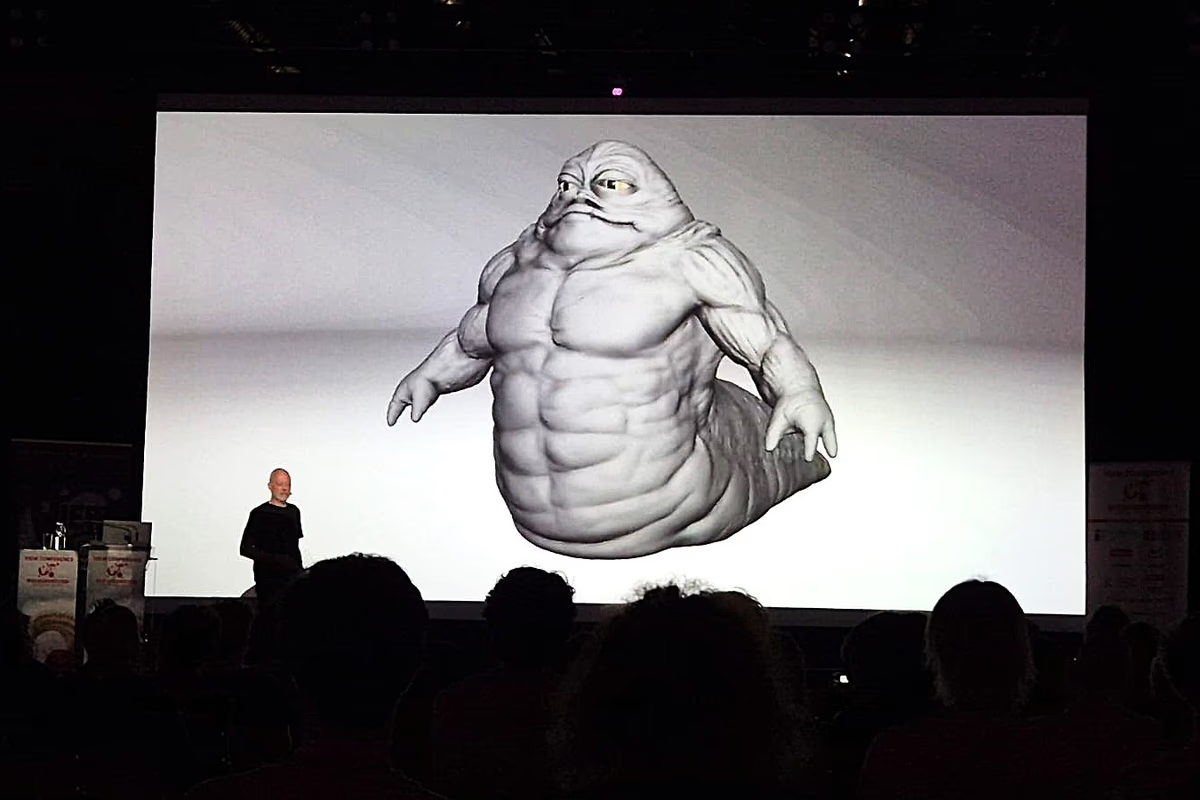
Mandalorian and Grogu: Hal Hickel on Rotta's Redesign & Favreau's 'Jackass' Approach
Animation supervisor Hal Hickel dives into the creature design for 'The Mandalorian and Grogu,' revealing the inspiration behind Rotta the Hutt's athletic build. He also touches on Jon Favreau's unique vision for bringing classic Star Wars elements to life.
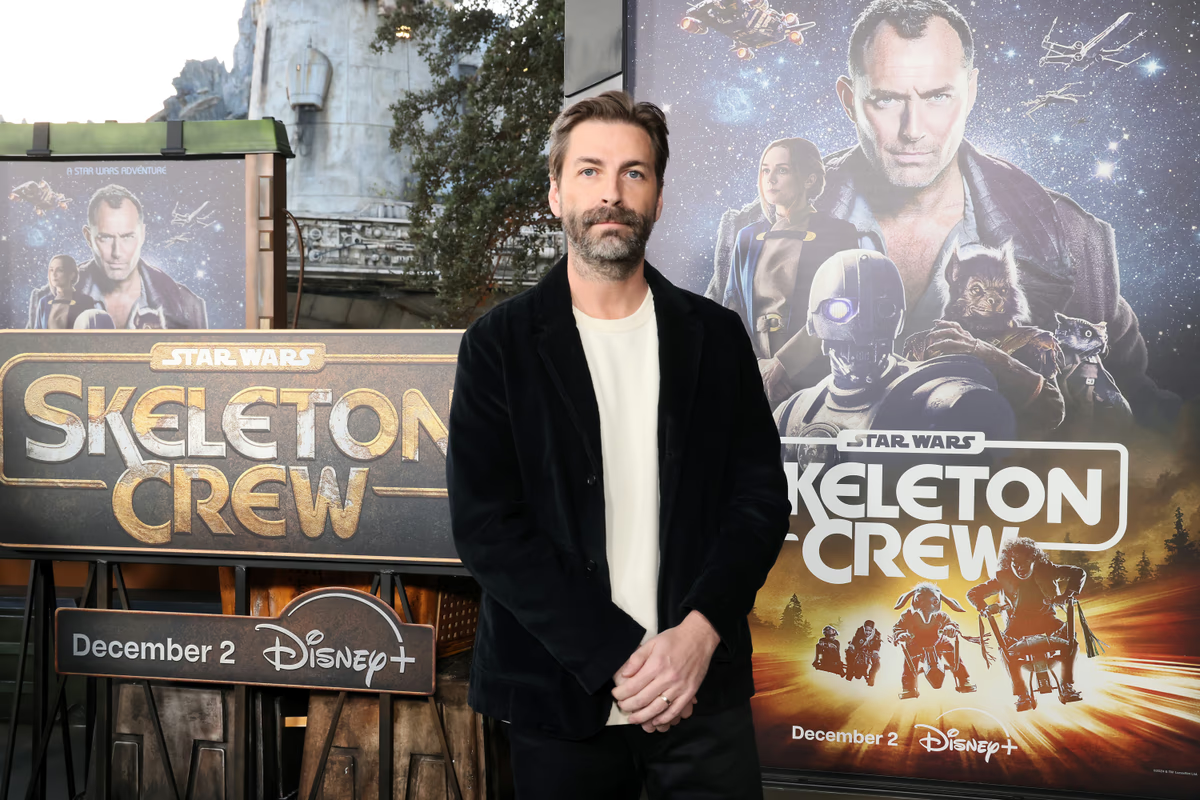
Jon Watts Pilots Next Star Wars Movie, Launching New Skywalker Saga Trilogy
The director behind the beloved Spider-Man trilogy is officially taking the helm for the next cinematic chapter of the Star Wars universe. This highly anticipated film is set to kick off a fresh trilogy, continuing the epic Skywalker Saga.
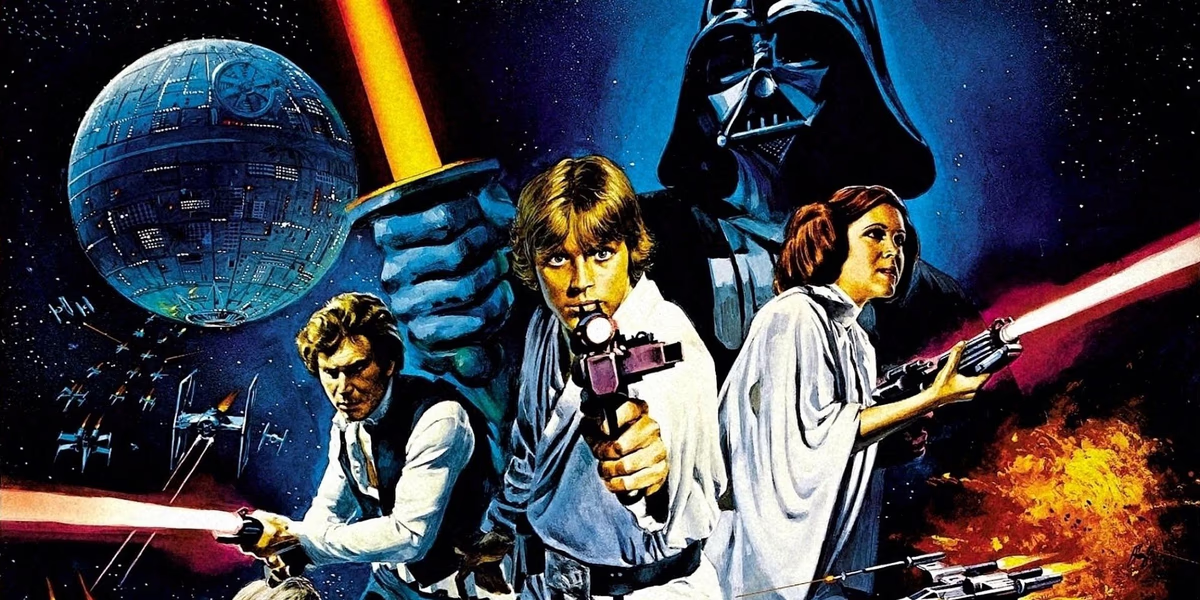
Star Wars: Ranking the Original Trilogy Theatrical Cuts
The debate over Star Wars' original theatrical cuts versus the Special Editions is a saga in itself. Decades later, the conversation around these beloved films continues to evolve.