 WeCult App
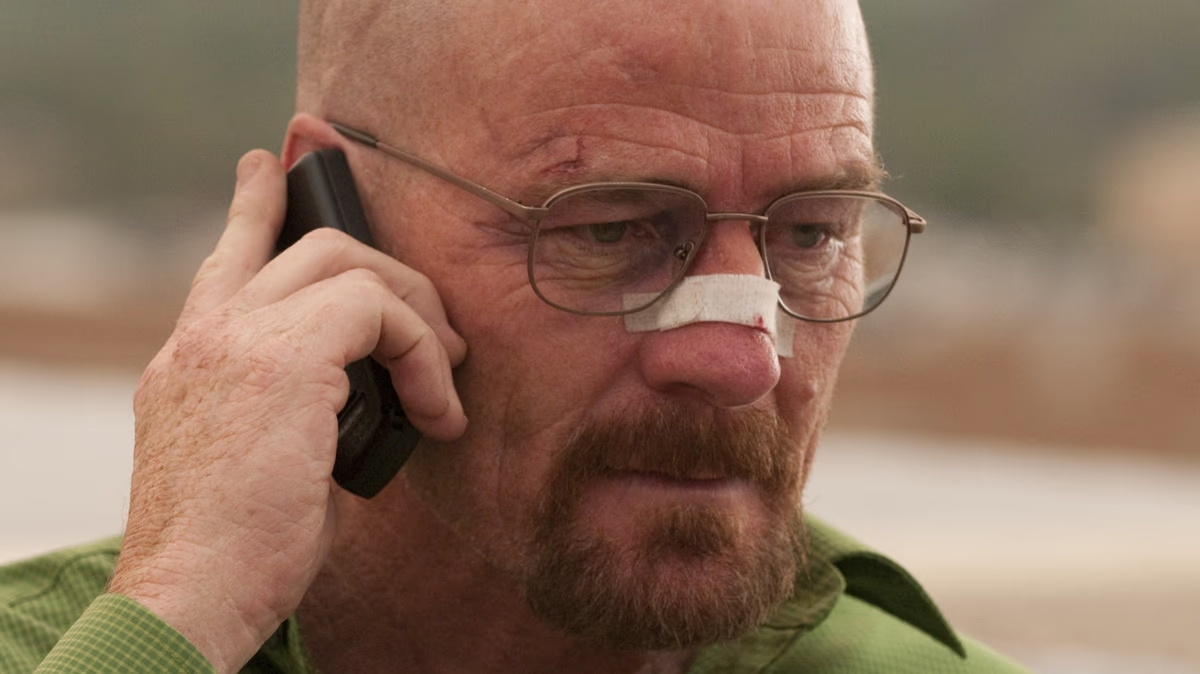
Breaking Bad's Grim Toll: How Every Major Character Met Their End
The iconic crime drama **Breaking Bad** didn't shy away from brutal consequences, with nearly every central figure meeting a violent demise. Here's a definitive breakdown of how the series concluded the arcs of its most pivotal characters.
Few television series have depicted the corrosive impact of ambition and moral decay as unflinchingly as Breaking Bad. Over five seasons, Vince Gilligan and his writing team meticulously constructed a world where consequences were as inevitable as they were devastating, leading to the deaths of almost every major character who crossed Walter White's increasingly destructive path.
The series' grim conclusion saw its anti-hero, Walter White, finally meet his end in a hail of gunfire, succumbing to law enforcement after orchestrating a final, violent act to save his former partner, Jesse Pinkman. Jesse himself, after enduring immense suffering and manipulation, narrowly escapes a life of forced meth production, though his ultimate fate beyond the series' finale remains a subject of fan speculation, with the implication of police capture following his escape.
Other key figures met equally brutal ends. Mike Ehrmantraut, the stoic fixer, was shot and killed by Jack Welker, the leader of a white supremacist gang, during a heated confrontation over money and power. Gus Fring, the meticulous drug kingpin, met his end in a meticulously planned suicide bombing orchestrated by Walter White, detonated by Hector Salamanca from his wheelchair. Hector, in turn, used a pipe bomb to take Gus down with him, finally avenging his family and cartel allies, though his own death occurred shortly after the explosion due to his stroke-induced paralysis.
The Arrogance of Power
The overarching theme driving these tragic conclusions is often rooted in hubris and overconfidence. Characters like Gus Fring became victims of their own carefully constructed empires; Gus, in particular, dropped his guard after neutralizing the cartel, believing himself untouchable. His downfall was a testament to the fact that even the most calculating minds could become blinded by their perceived invincibility. Similarly, Walter White's own arrogance, his Heisenberg persona, fueled his descent and ultimately led to his violent end, a direct result of the criminal empire he built.
Fan Theories and The Weight of Legacy
For Breaking Bad fans, the death toll was a constant source of tension and emotional investment. The show masterfully built suspense around who would survive and who would fall, making each death feel earned, however tragic. The fates of Walter and Jesse were particularly scrutinized, representing the ultimate consequences of their intertwined, destructive journey. The series finale offered a definitive, albeit bleak, closure for many, solidifying its reputation for delivering a consistent and powerful narrative arc, even for its supporting players.
What's Next
While Breaking Bad has concluded its narrative, the universe continues to expand. The prequel series Better Call Saul offers a deeper dive into the moral compromises and character developments that led to the events of the original show, providing context and further tragic irony to the fates of many characters, including Hector Salamanca and Gus Fring.
This article delves into the fatalistic narrative of **Breaking Bad**, exploring how character flaws and narrative inevitability led to the demise of its ensemble.




WeCult App
Track your series — all in one place
Follow releases, track progress, discover what matches your taste. Rate "Breaking Bad's Grim Toll: How Every Majo…" on the app.
Benzer Haberler
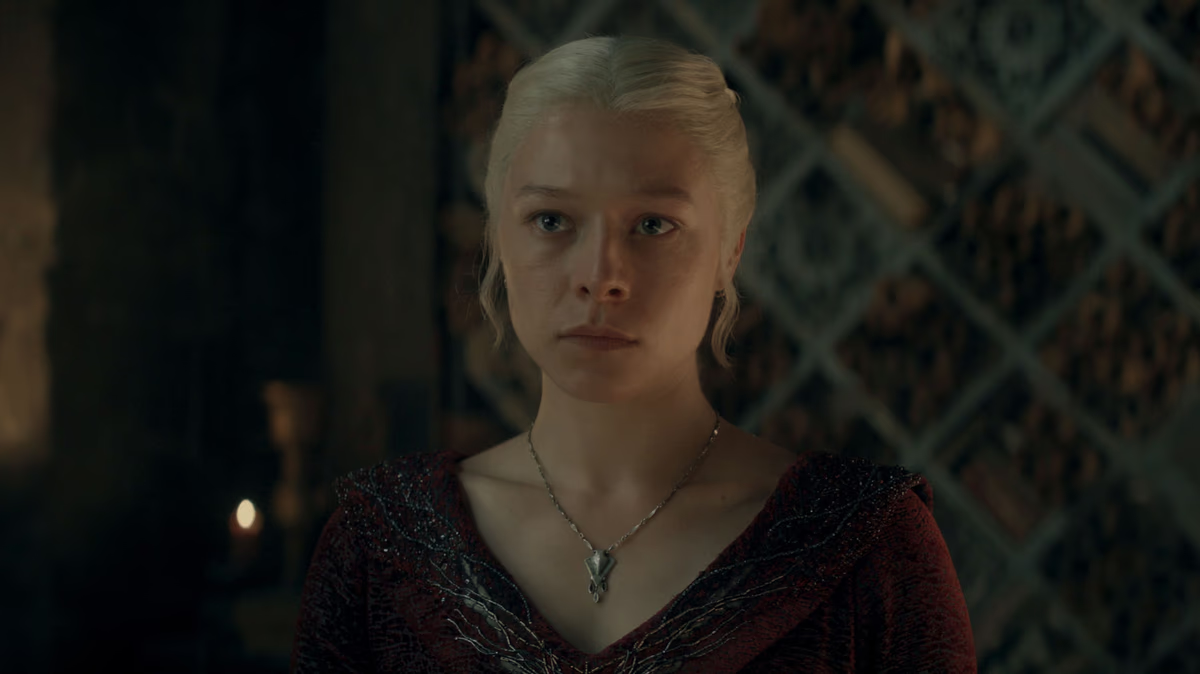
Ejderhanın Evi: Her Targaryen Varisinin Kitaptaki Akıbeti
Dance of the Dragons yaklaşıyor ve Westeros'un en güçlü ailesi için bir kıyım kapıda. George R.R. Martin'in 'Ateş ve Kan'ına dalıyoruz ve önemli Targaryen karakterlerinin bekleyen kaderlerini ortaya çıkarıyoruz. Ejderhanın Evi dizisi, Targaryen hanedanının ateş ve kan üzerine kurulu olduğunu gösteriyor, ancak karakterler için bu miras genellikle hızlı ve şiddetli bir son anlamına geliyor.
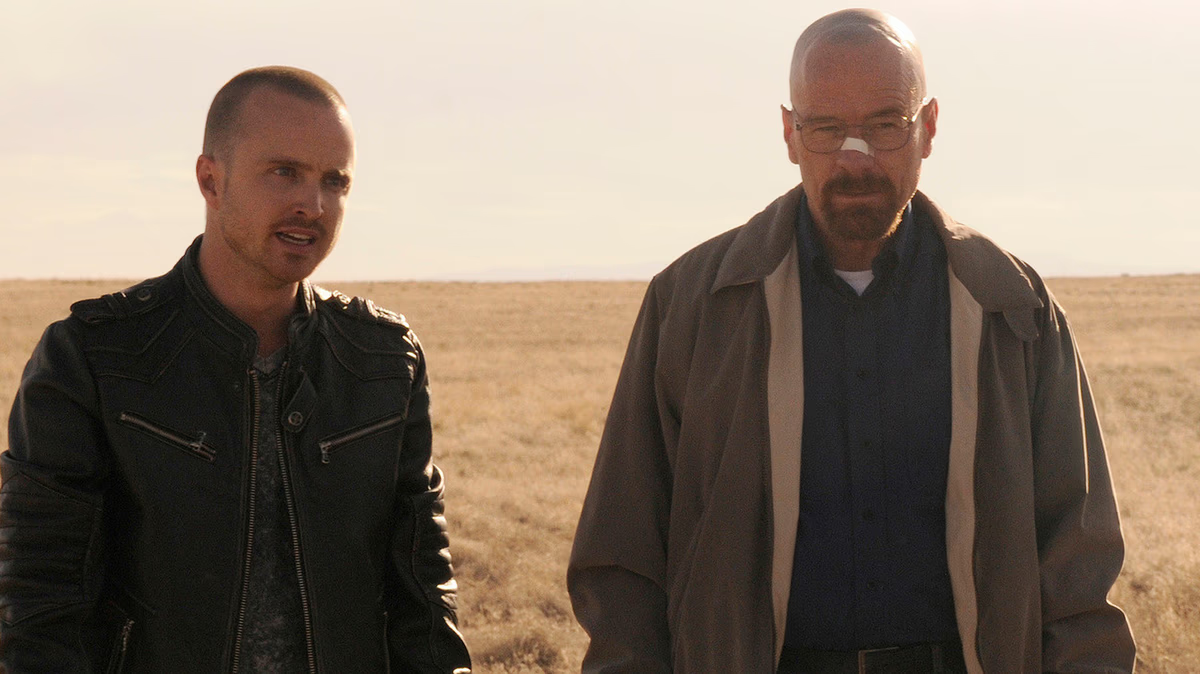
Breaking Bad Star Asked to Be Killed Off Sooner
While most actors crave more screen time, one iconic Breaking Bad performer made a surprising request to the show's writers. He specifically asked for his character's demise to happen ahead of the original schedule.

Carrie Season 2 Officially Announced by Prime Video Following Fan Demand
The chilling Stephen King adaptation, Carrie, has officially received a second season order from Prime Video. Fans can rejoice as the story of Carrie White is set to continue.