 WeCult App
Netflix's Long Season Gaps Are Finally Hurting Its Biggest Hits
New data reveals that the extended waits between seasons for Netflix's most popular shows are leading to significant viewership drops. This trend is impacting even massive hits, raising questions about the streamer's release strategy.
We’ve all been there. You devour a new Netflix obsession, get deeply invested in the characters and their intricate plotlines, and then… silence. Years can pass before the next season drops, leaving you scrambling to remember crucial details and, often, losing that initial connection. Now, hard data is confirming what many fans have long suspected: these extended hiatuses are actively harming viewership for even Netflix's most beloved series.
A recent report from Luminate Intelligence, titled "Release Strategies for Music & TV," provides stark evidence that a gap of more than 1.5 years between seasons typically leads to a reduced audience, particularly in the U.S. market. This isn't just a theory; it's a quantifiable problem. The report found that "average views dropped for every title in a sampling of recent hits — even Stranger Things, down nearly 25% in its final season." This suggests that the massive post-production schedules, delayed renewals, and other factors contributing to these lengthy breaks are actively working against audience retention.
The 1.5-Year Danger Zone
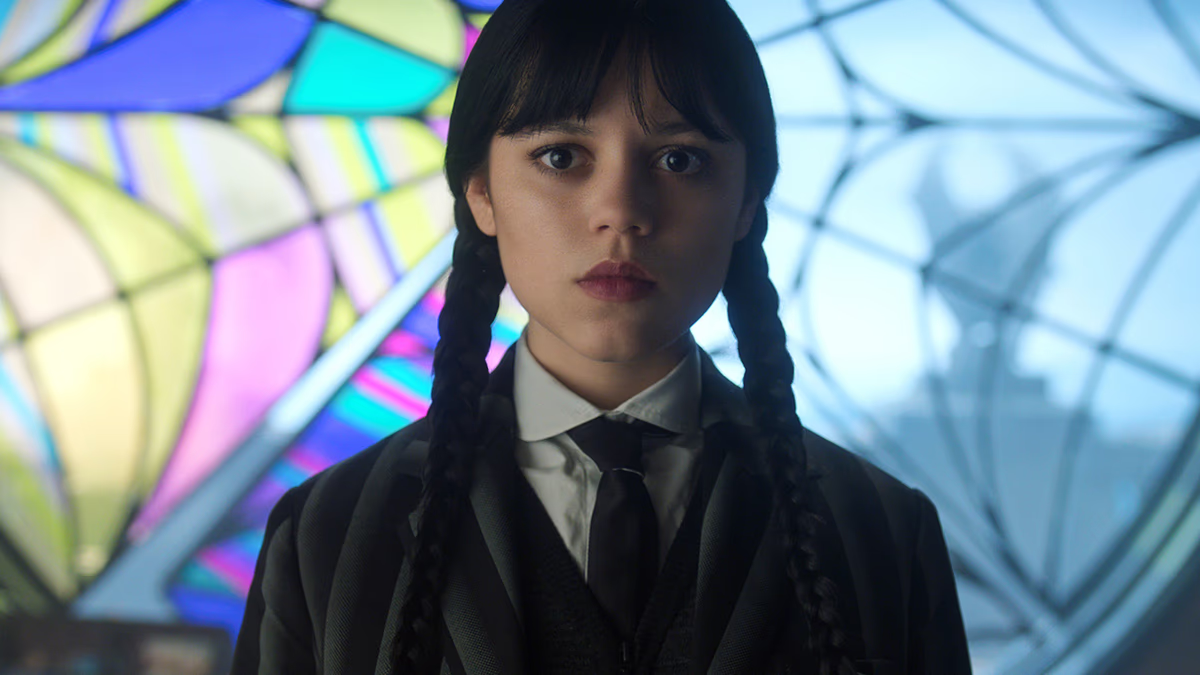
This phenomenon is not an isolated incident. The report highlights that the average wait for a live-action Netflix Original to return was hovering around 20.7 months back in June 2025. This staggering figure was already linked to significant viewership drops, with shows like That ‘90s Show plummeting 79% in its sophomore outing. The Luminate data reinforces these earlier observations, offering a broader statistical backing to the growing concern. For shows like Wednesday, the wait for Season 2 after its massive debut has stretched to an estimated 2.75 years, a period during which audience engagement is almost guaranteed to wane.
While some shows, like House of the Dragon or Yellowjackets, have managed to maintain or even build anticipation through strategic breaks, the overall trend for Netflix appears to be one of diminishing returns when the wait becomes too prolonged. The streamer's success has often relied on building massive fanbases, but the current release model seems to be inadvertently eroding that very foundation by testing the patience of its most dedicated viewers.
What This Means for Fans
For dedicated fans, this data is a frustrating validation of their viewing experience. The emotional investment required for serialized storytelling is immense, and when that investment is met with years of waiting, the magic can fade. This trend directly impacts the shows we love, potentially affecting renewal decisions and even the creative direction as showrunners grapple with re-engaging an audience that may have moved on. The struggle to recall intricate plot points from seasons ago becomes a hurdle, not a joy, when diving back into a beloved series. It begs the question: is the pursuit of perfection in post-production worth the potential cost of alienating the very audience that made the show a hit in the first place?
What's Next
As Netflix navigates these challenges, all eyes will be on upcoming season releases for major shows like The Witcher and Stranger Things. Whether the streamer adjusts its release strategies to shorten these gaps or continues to risk audience fatigue remains to be seen, but the data suggests a critical need for change.
This data-driven analysis speaks directly to the binge-watcher's dilemma: the struggle to maintain investment in a show that demands extreme patience between installments, and the potential consequences for Netflix's hit-making machine.
WeCult App
Track your series — all in one place
Follow releases, track progress, discover what matches your taste. Rate "Netflix's Long Season Gaps Are Finally H…" on the app.
Benzer Haberler
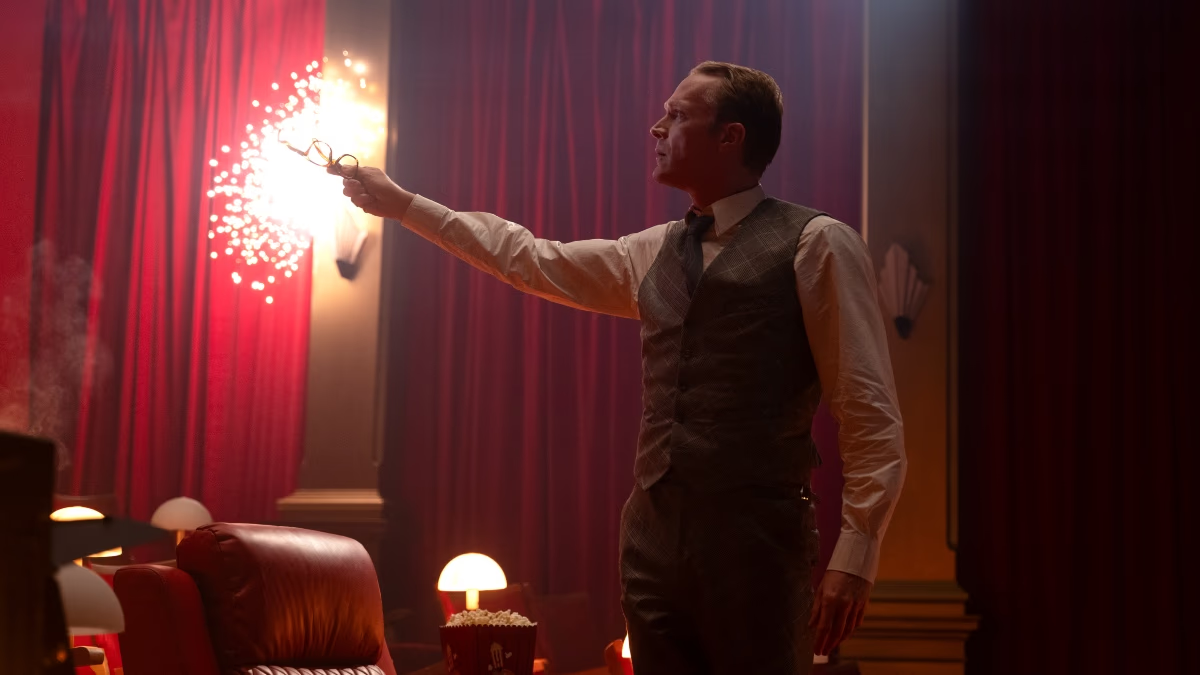
VisionQuest's Magic vs. Science Twist: Is Vision More Than Just Code?
The latest episodes of **VisionQuest** have thrown fans for a loop, blurring the lines between artificial intelligence and arcane forces. Is a demon possessing Vision, or is it just a really aggressive reboot?
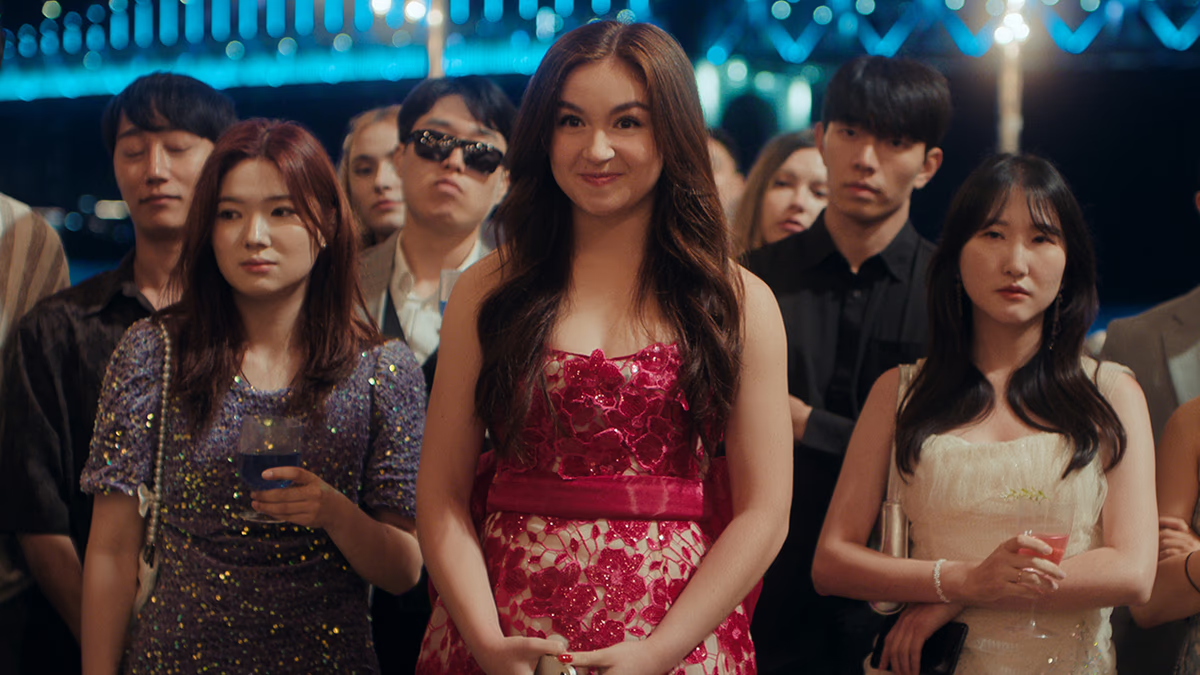
XO, Kitty Season 4 Stuck in Limbo, Netflix Update Disappoints Fans
The future of Netflix's beloved 'To All the Boys' spin-off hangs in the balance as Season 4 renewal remains unconfirmed. Fans are left waiting for clarity on Kitty's next chapter.
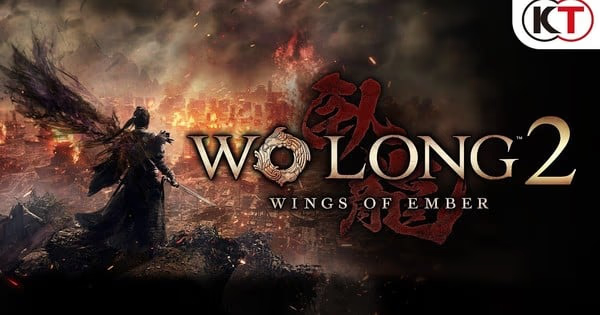
Wo Long 2: Ateş Yaprakları 2027'de Uçmaya Hazırlanıyor
Team Ninja ve Koei Tecmo, Wo Long 2: Ateş Yaprakları'nın resmi olarak duyuruldu. Çin'in Üç Krallık döneminin karanlık fantastik bir versiyonuna geri döneceksiniz.