 WeCult App
Supergirl Just Broke Her Own Moral Code, And It's Brilliant
The new Supergirl film delivers a shocking finale that deviates from its comic source material. This bold choice redefines the character and sparks crucial conversations about heroism.
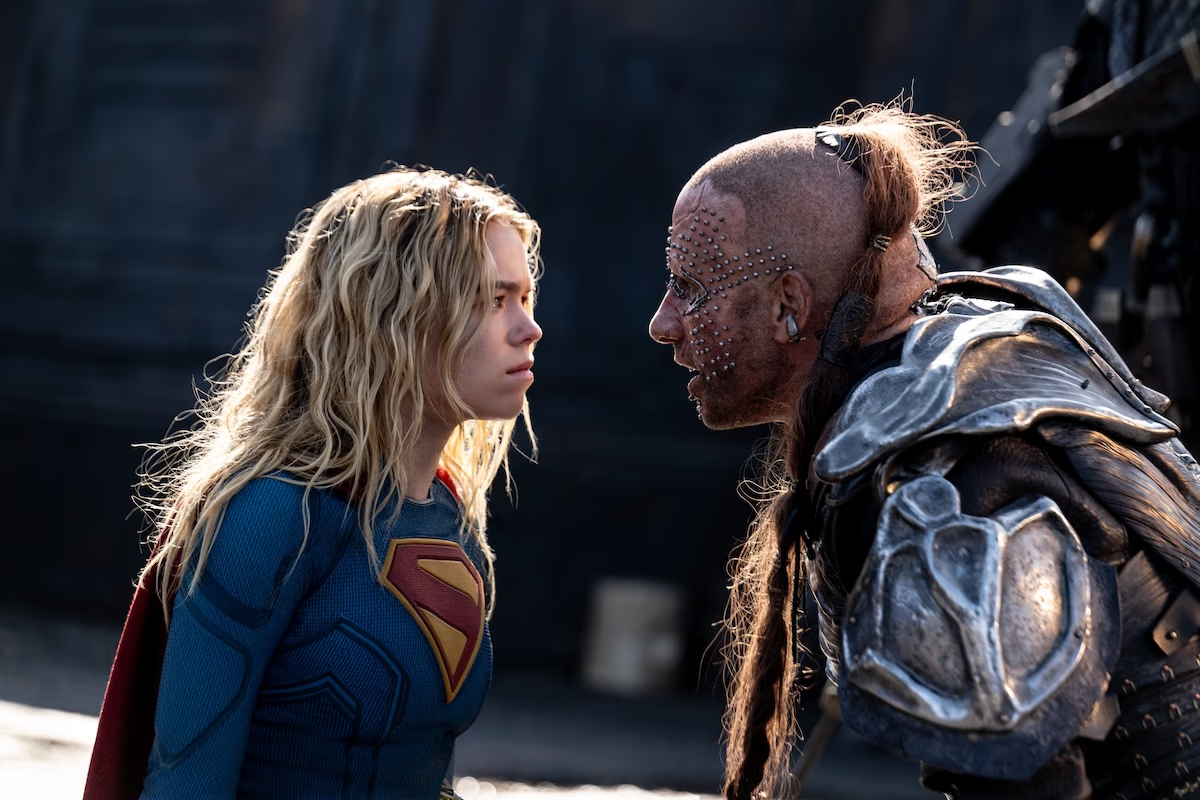
The climax of Supergirl has arrived, and it’s not just a victory lap for the Girl of Steel; it’s a seismic shift in her established morality. In a move that directly contradicts the heroic ideals we’ve come to expect, Kara Zor-El, played by Milly Alcock, makes a definitive, fatal choice at the end of the film. She executes Krem, the murderer of Ruthye Marye Knoll's family and the poisoner of her beloved dog, Krypto. This isn't a moment of accidental lapse; it's a deliberate act of vengeance, delivering a stab for each wrong committed. This decision immediately sets the film apart, not only from the typical DC Comics superhero playbook but specifically from the Supergirl: Woman of Tomorrow comic miniseries that inspired it.
In the comic arc by Tom King and Bilquis Evely, the resolution plays out very differently. While Ruthye Marye is driven by a thirst for revenge, the story ultimately sees her confront her own demons, locking away her desire for vengeance rather than acting upon it. The film, however, trades that more introspective conclusion for a visceral, impactful ending. Screenwriter Ana Nogueira has spoken about the deliberate nature of these changes, noting the comic's ending for Ruthye slaying Krem happens years in the future, a detail the film compresses for dramatic effect. This alteration doesn't just change the immediate outcome; it fundamentally reshapes our understanding of Supergirl herself, presenting a hero willing to cross lines previously considered sacrosanct.
A Hero's Evolution or a Betrayal?
The fan reaction to this deviation has been, predictably, passionate. For many, the core of a Kryptonian hero is their unwavering commitment to justice, not retribution. Seeing Supergirl embrace an execution, even for a heinous villain like Krem, feels like a betrayal of that legacy. However, others argue this is precisely what makes the film so compelling. It forces us to question what heroism truly means when faced with unimaginable loss and trauma. The film’s narrative suggests that this act, while shocking, serves to deepen both Supergirl and her cousin Superman's characters, making them more complex and relatable figures who grapple with the darker aspects of their power and the world they protect.
What's Next for the Woman of Steel?
This bold reimagining of Supergirl's journey leaves audiences pondering the future. Will this darker, more morally ambiguous Supergirl continue to be explored in future DCU projects? While details about upcoming appearances or sequels remain under wraps, this film's ending has undoubtedly set a new precedent for how the character can be portrayed, proving that even the most iconic heroes can be given fresh, challenging new directions.
The film’s visual style, described as trading the sumptuous artwork of the comic for more of a Guardians of the Galaxy-esque earthtone palette, also contributes to its distinct identity. While some may miss the lush visuals of Evely's art, the grounded aesthetic likely serves the film's grittier narrative and its exploration of a more hardened Supergirl. It’s a testament to the film's ambition that it manages to retain the core plot beats of its source material while delivering an ending that feels both earned and deeply provocative.
This film's ending offers a compelling deconstruction of superhero ethics, questioning the absolute nature of 'good' and providing a more nuanced portrayal of its titular character.




WeCult App
Track your films — all in one place
Follow releases, track progress, discover what matches your taste. Rate "Supergirl Just Broke Her Own Moral Code,…" on the app.
Benzer Haberler

Resident Evil Reboot Unleashes Tentacled Horror, Rewriting Game's Scariest Jump Scare
Forget predictable zombie dogs. The new Resident Evil film transforms a classic horror moment into something far more monstrous, proving that innovation can breathe terrifying new life into beloved lore. This bold adaptation is already being hailed as a potential new classic in the video game movie genre.
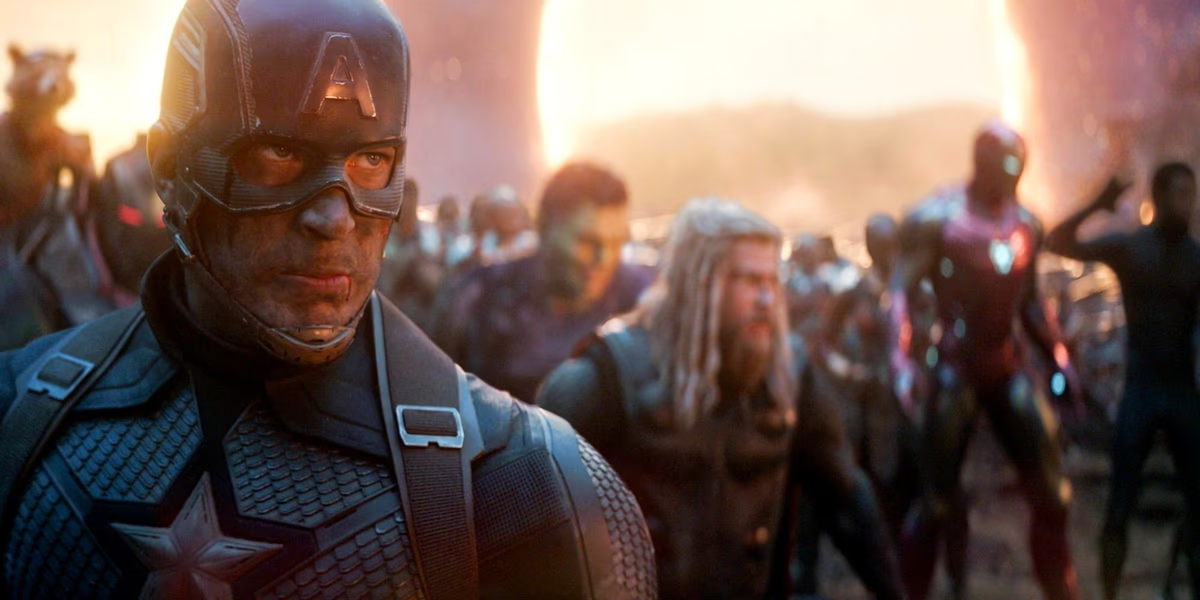
10 Epic Avengers Character Entrances That Still Give Us Chills
From thunderous arrivals to universe-saving power-ups, these iconic MCU character introductions defined superhero cinema. See which moments made the cut!
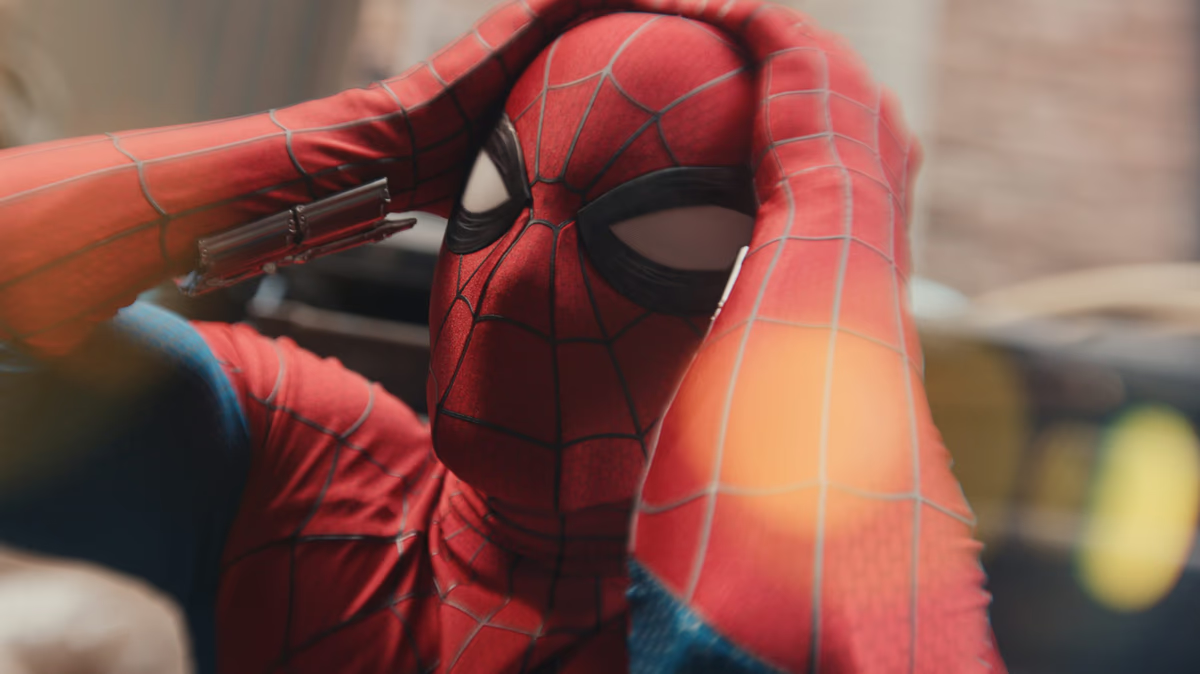
Marvel's Night Nurse Cut From Spider-Man: Brand New Day After Script Changes
A pivotal character from the Marvel Netflix universe was slated for a significant return in the blockbuster hit **Spider-Man: Brand New Day**. However, this anticipated reunion was ultimately scrapped before filming.