 WeCult App
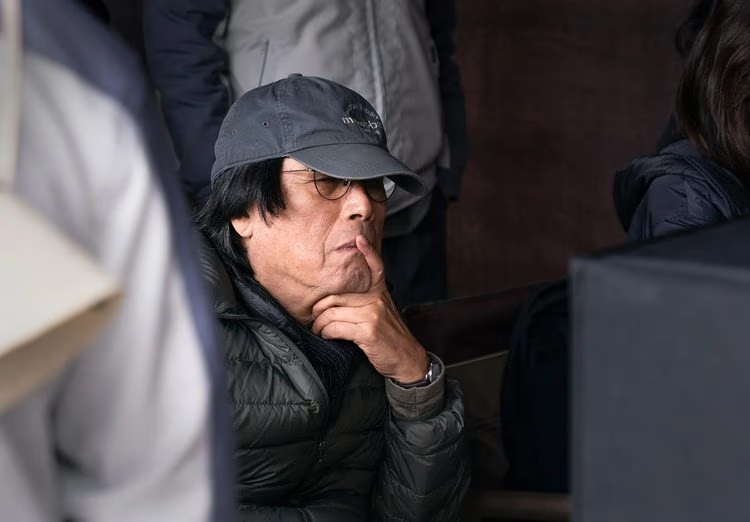
Lee Chang-dong Returns: 'Possible Love' Explores Filmmaking Ethics and Class Divide
After an eight-year hiatus, the acclaimed director **Lee Chang-dong** is back with his most intricate film yet, **Possible Love**. Inspired by Krzysztof Kieslowski's 'Dekalog,' the movie tackles labor rights, class struggles, and the moral complexities of capturing real lives on screen.
The masterful Lee Chang-dong, a filmmaker known for his patient yet piercing portraits of ordinary people pushed to their limits, has finally returned. After an eight-year wait since the critically acclaimed Burning, Lee's seventh feature, Possible Love, premiered at the Venice Film Festival, earning the Silver Lion Grand Jury Prize. This expansive, nearly three-hour drama draws inspiration from Krzysztof Kieslowski's Dekalog, specifically the tenth commandment, 'Thou Shall Not Covet,' but Lee masterfully transforms this into a complex character study on the imbalanced dynamics of human connection, labor, and filmmaking ethics.
Possible Love centers on two couples separated by a stark class divide, brought together by the creation of a documentary. We meet Ho-seok (played by Sul Kyung-gu), a factory worker whose life is upended by brutal layoffs following a labor strike—a story loosely based on the real-life 2009 Ssangyong Motor incident. His wife, Mi-ok (Jeon Do-yeon), struggles to maintain their family in the difficult aftermath. Their lives intersect with Ye-ji (Cho Yeo-jeong), a filmmaker documenting the injustices of the labor movement, and her affluent husband, Sang-woo (Zo In-sung). Ye-ji sees Ho-seok as the ideal subject for her film, and as the documentary project unfolds, the lines between observer and observed begin to blur, exposing suppressed feelings, professional ambitions, and hidden desires.
The Camera's Gaze and Moral Mazes
Lee Chang-dong himself acknowledges that the film grapples with questions he asks of himself as a storyteller. The narrative delves into the ethical considerations inherent in portraying vulnerable individuals and their struggles. It's a slow-burn examination, not of mortal peril, but of moral quandaries, forcing viewers to confront the power dynamics at play when one person's life becomes another's narrative. The film is a testament to Lee's signature style: intricate, deeply human, and unafraid to explore the uncomfortable truths that lie beneath the surface of everyday life.
A Masterclass in Character and Consequence
Fans of Lee Chang-dong have eagerly awaited his return, and Possible Love delivers a haunting, masterful experience. The film's critical success at Venice, including the FIPRESCI prize, underscores its impact. For cinephiles, it's a profound meditation on empathy, exploitation, and the very nature of storytelling. The film's exploration of class division and the ethics of documentary filmmaking is particularly relevant today, sparking conversations about representation and the responsibilities of creators. It’s a film that lingers long after the credits roll, prompting introspection on our own roles and perspectives.
What's Next
Possible Love was South Korea's official selection for International Feature Film at the 2027 Academy Awards. The film is now available on Netflix, allowing audiences worldwide to experience Lee Chang-dong's latest compelling work.
This film offers a profound exploration of voyeurism and exploitation within documentary filmmaking, resonating deeply with cinephiles interested in the ethics of representation.


WeCult App
Track your films — all in one place
Follow releases, track progress, discover what matches your taste. Rate "Lee Chang-dong Returns: 'Possible Love' …" on the app.
Artículos Relacionados

Lee Chang-dong Drops First Trailer for Oscar Contender 'Possible Love'
After an eight-year hiatus, the acclaimed director Lee Chang-dong is back with 'Possible Love,' South Korea's official Oscar entry. The first trailer offers a glimpse into this highly anticipated drama.
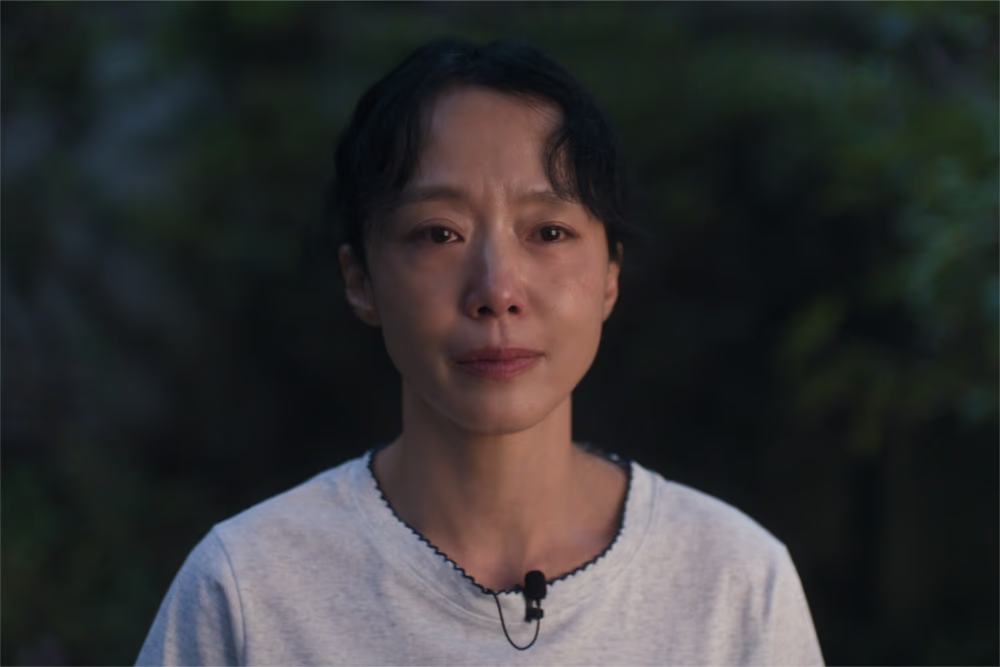
Jeon Do-yeon's Oscar Buzz for 'Possible Love' Ignites Global Korean Cinema Conversation
Veteran actress Jeon Do-yeon is a frontrunner for an Oscar nomination with her performance in Lee Chang-dong's 'Possible Love.' The film's selection as South Korea's Academy Awards submission and critical acclaim suggest a monumental moment for Korean cinema on the world stage.
10 Must-Watch Movies Arriving on Streaming This November
As the year winds down, a wave of exciting new films hits your favorite streaming platforms, offering everything from holiday cheer to serious Oscar contenders.