 WeCult App
House of the Dragon Just Made a Book Change With Real-World Echoes
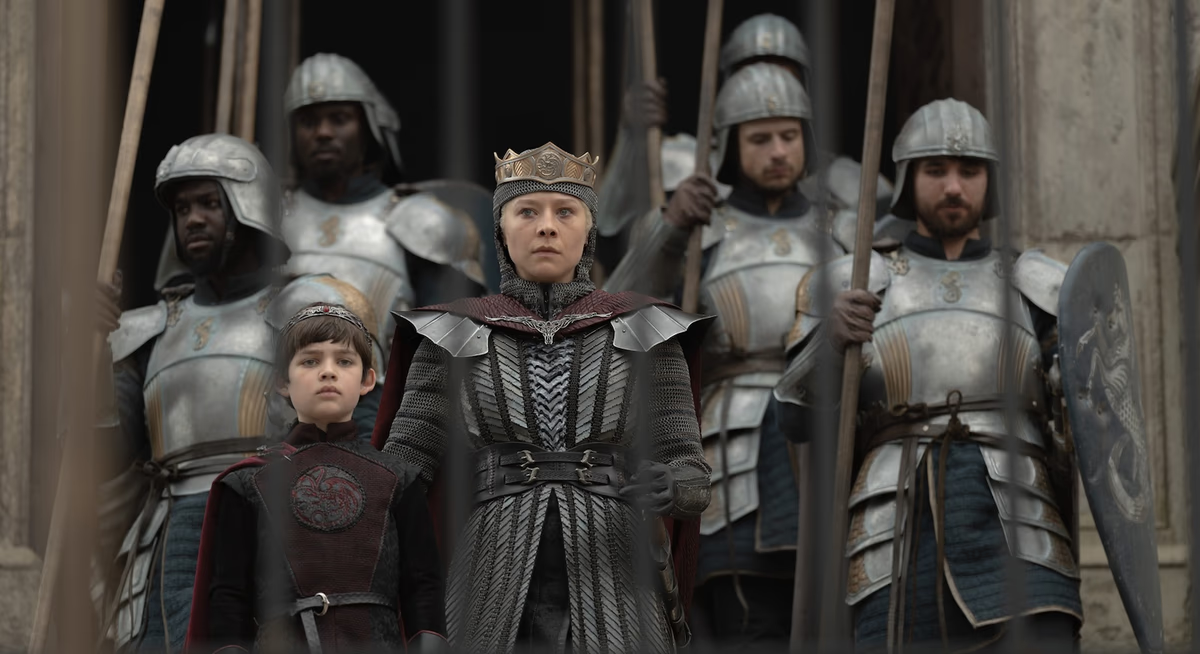
Rhaenyra Targaryen's actions in the Season 3 finale have irrevocably altered the political landscape of Westeros. This shocking departure from the books is deeply rooted in historical conflicts between church and state.
In a move that sent shockwaves through Westeros and its viewership alike, Rhaenyra Targaryen made a pivotal decision in the House of the Dragon Season 3 finale that dramatically diverges from George R.R. Martin's source material. The Queen, in her escalating quest for power, ordered Alyn of Hull to assassinate the High Septon of King's Landing. This act, unprecedented in the lore, represents a radical severing of ties between the secular Targaryen crown and the spiritual authority of the Faith of the Seven.
The High Septon himself warned of the dire consequences, stating, "I am the High Septon of the Faith. To harm me is to declare war on the Starry Sept, to damn your soul to the deepest of the Seven Hells!" Yet, Rhaenyra, embracing a persona that transcends mortal rules, convinced Alyn by asserting his Valyrian bloodline, thus placing him above the laws of men and gods. This bold, almost sacrilegious act is a cornerstone of Rhaenyra's increasingly messianic self-perception, culminating in her proclamation to the smallfolk and court that she is the "Prince That Was Promised."
A Historical Parallel Emerges
This dramatic shift in House of the Dragon is not merely a narrative flourish; it directly mirrors one of the most tumultuous periods in medieval European history: the Investiture Controversy. This prolonged struggle, primarily between the Holy Roman Emperors and the Papacy in the 11th and 12th centuries, revolved around who held the ultimate authority – the temporal power of kings or the spiritual power of the Pope. The conflict saw excommunications, political maneuvering, and even bloodshed as both sides vied for dominance.
The show's decision to have Rhaenyra eliminate the High Septon is a potent fictional echo of this real-world historical tension. It signifies a decisive moment where secular power, embodied by the Targaryen dynasty, chooses to forcibly assert its supremacy over religious institutions, a path that was fraught with peril and instability in reality. The showrunners have thus amplified the underlying political currents of Westeros, grounding the fantastical conflict in the very real, often brutal, power struggles that shaped our own past.
The Stakes for the Realm
For fans who devour every detail of Westerosi politics, this change is monumental. It signifies that House of the Dragon is willing to take significant liberties with Fire & Blood to explore thematic depth and create compelling television. Rhaenyra's actions have not only alienated a powerful religious faction but have also potentially opened the door for further conflict, not just with the Faith but with any lords who hold religious convictions dear. This move elevates the stakes for her reign, presenting her not just as a queen fighting for her throne, but as a ruler willing to dismantle established orders for her own vision of control.
What's Next
The consequences of Rhaenyra's defiance will undoubtedly unfold in future seasons, as the Faith's reaction and the loyalty of the lords hang precariously in the balance. Details regarding the next season's premiere date have not yet been announced.
This season's boldest deviation from Fire & Blood expertly uses Rhaenyra's ruthless pragmatism to explore the age-old tension between secular rulers and religious authority, mirroring pivotal moments in European history.




WeCult App
Track your series — all in one place
Follow releases, track progress, discover what matches your taste. Rate "House of the Dragon Just Made a Book Cha…" on the app.
Artículos Relacionados
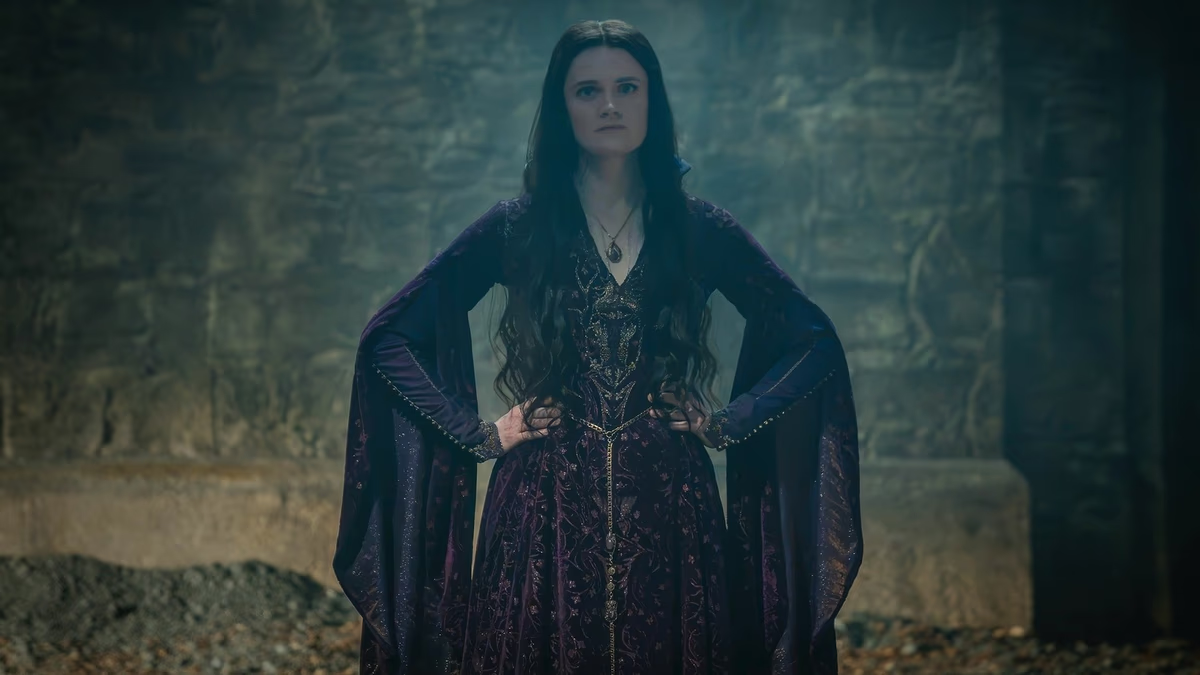
La Casa del Dragón: Gayle Rankin cuestiona a los pretendientes rubios y problemáticos de Alys Rivers
Gayle Rankin, la actriz que da vida a Alys Rivers en La Casa del Dragón, ofrece una visión candorosa de las complicadas relaciones románticas de su personaje. A medida que Alys navega por las aguas turbulentas de la Danza de los Dragones, se encuentra rodeada de hombres que luchan con profundas cuestiones psicológicas. La actriz se pregunta si todos estos hombres son solo versiones del mismo patrón problemático.
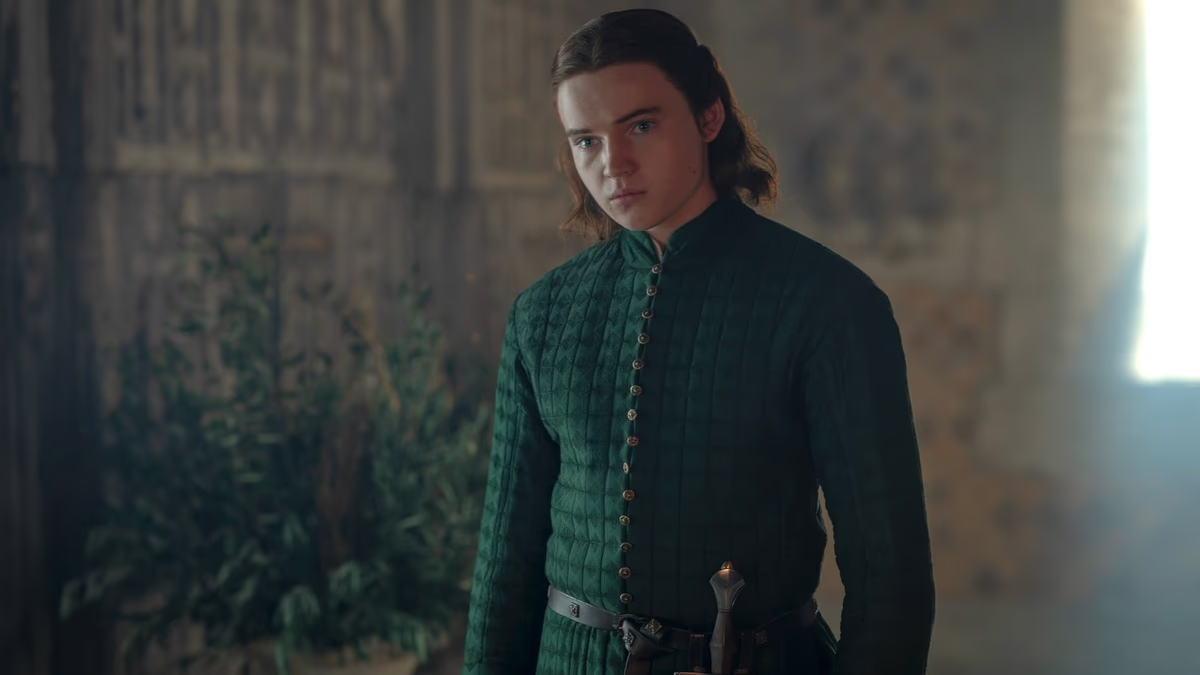
House of the Dragon's Benjamin Evan Ainsworth on Episode 6's 'Foulest' Scene
The actor behind young Aemond Targaryen reflects on filming a particularly gruesome moment in the latest episode. He describes the experience as his most 'Game of Thrones' day yet.
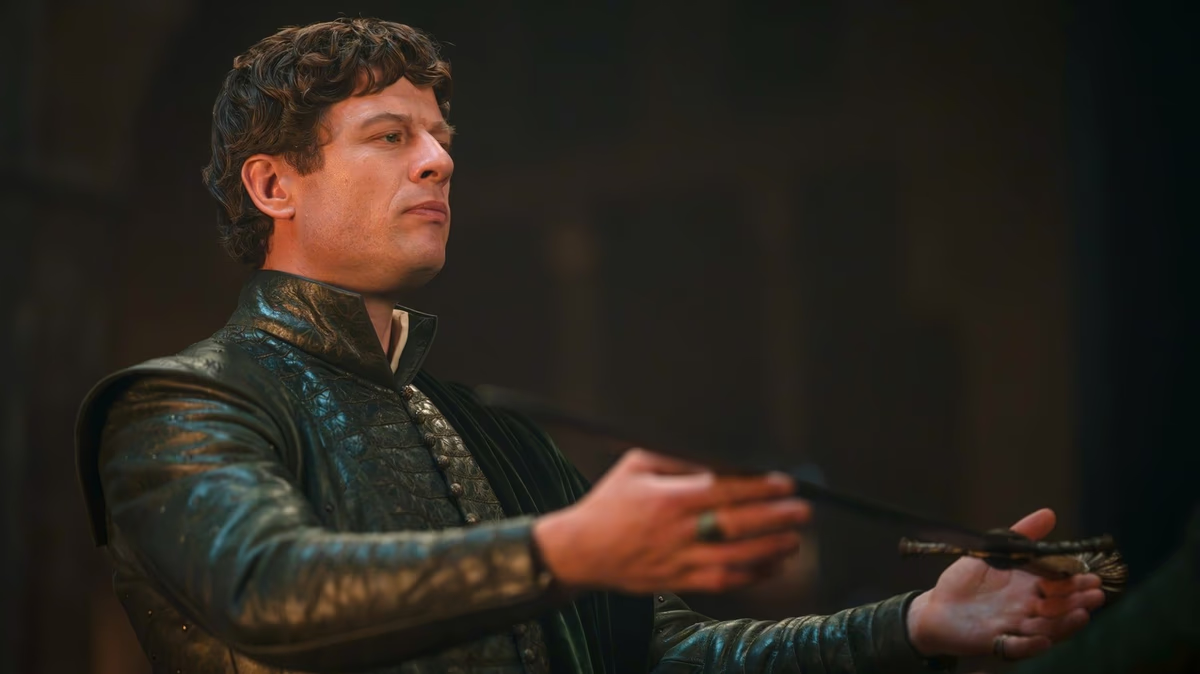
House of the Dragon Star James Norton Reveals Audacious Bathtub Scene Choice
James Norton, the actor behind Ormund Hightower, shares the surprising creative decision behind his character's unforgettable bathtub scene in Episode 4. His bold choice led to one of the season's most talked-about moments.