 WeCult App
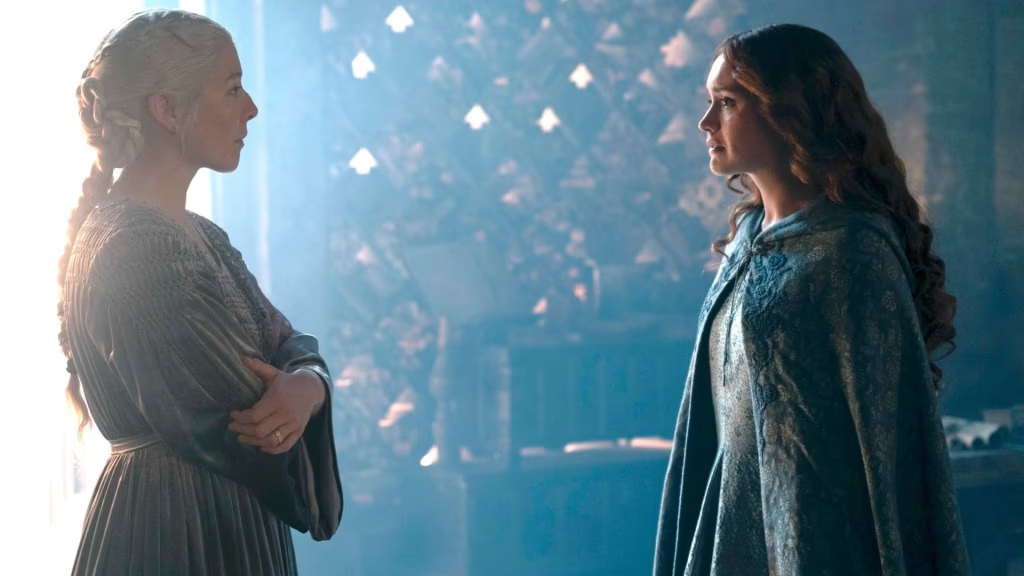
House of the Dragon: Why Rhaenyra and Alicent Shine While Others Fade
The Dance of the Dragons is finally delivering the high-stakes action fans craved, but the acclaimed focus on Rhaenyra and Alicent comes at a cost. While their complex dynamic captivates, the wider cast struggles to leave a lasting impression.
The Dragon's Roar: A Tale of Two Queens
Season three of House of the Dragon has undeniably found its stride, plunging viewers headfirst into the visceral chaos of the Dance of the Dragons. The plot moves with a newfound urgency, a stark contrast to the pacing issues of earlier seasons. Battles like the consequential Battle of the Gullet are depicted with brutal efficiency, and the narrative feels streamlined, focused on the critical moments of the Targaryen civil war. This season's greatest triumph lies in its compelling evolution of Queen Rhaenyra Targaryen's arc, a 'mad queen' narrative that feels earned and deeply complex, placing her among the franchise's most intricate characters. This depth is mirrored, and perhaps only rivaled, by Alicent Hightower, whose own journey has been a masterclass in nuanced performance.
Despite these central triumphs, a persistent issue plagues Westeros: the supporting cast. While Rhaenyra and Alicent command the screen, few other characters manage to forge a significant emotional connection with the audience. Even the gut-wrenching death of Prince Jacaerys Velaryon, a strategically brutal moment designed to propel the war forward, feels somewhat hollow. His harrowing end, escaping a drowning dragon only to be felled by Triarchy marksmen, showcases the show's willingness to shed major players. Yet, the true impact of losing Jace, beyond the immediate plot mechanics, feels underdeveloped, leaving viewers questioning the lasting emotional resonance for those left behind.
The Shadows Beyond the Throne
This disparity raises a critical question for the future of House of the Dragon: can a show built on the intense rivalry of two characters truly sustain its momentum and emotional weight when the broader ensemble struggles to resonate? The series excels at the spectacle of war and the shock of sudden death, but the quiet moments, the character development beyond the primary players, often feel secondary. For a show aiming to stand shoulder-to-shoulder with its predecessor, Game of Thrones, cultivating investment in a wider array of characters is paramount. The audience needs more than just thrilling battles; they need to care deeply about the fates of those fighting them.
What's Next
With House of the Dragon season three now underway, the focus remains squarely on the escalating conflict and the deepening complexities of Rhaenyra and Alicent. Fans can anticipate further brutal clashes and strategic maneuvers as the war for the Iron Throne intensifies. The summer 2026 release for season three has set a high bar, and the show's continued success will likely depend on its ability to flesh out the supporting players alongside its central queens.
This analysis delves into how House of the Dragon's narrative success hinges on its central duo, questioning the show's ability to cultivate compelling arcs for its supporting players amidst the brutal war for the Iron Throne.




WeCult App
Track your series — all in one place
Follow releases, track progress, discover what matches your taste. Rate "House of the Dragon: Why Rhaenyra and Al…" on the app.
Artículos Relacionados
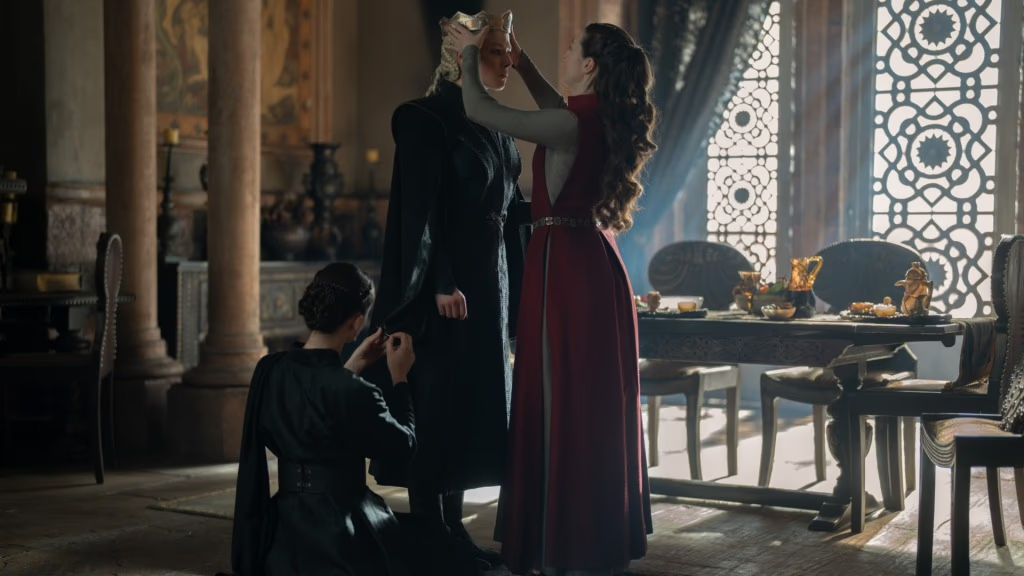
La Casa del Dragón: El Reinado Oscuro de Rhaenyra Comienza en el Episodio 3
El último episodio de La Casa del Dragón sumerge a los espectadores en la psique de la reina Rhaenyra Targaryen mientras se enfrenta a las brutales realidades del poder. La directora Clare Kilner revela cómo el show captura visualmente la lucha interna de la reina en su nuevo 'jaula dorada'. La tercera temporada de la serie, que se estrenó el 21 de junio de 2026, promete ser una exploración crucial de su reinado, un contraste marcado con los eventos más acción-packs que se desplazaron del final de la segunda temporada.
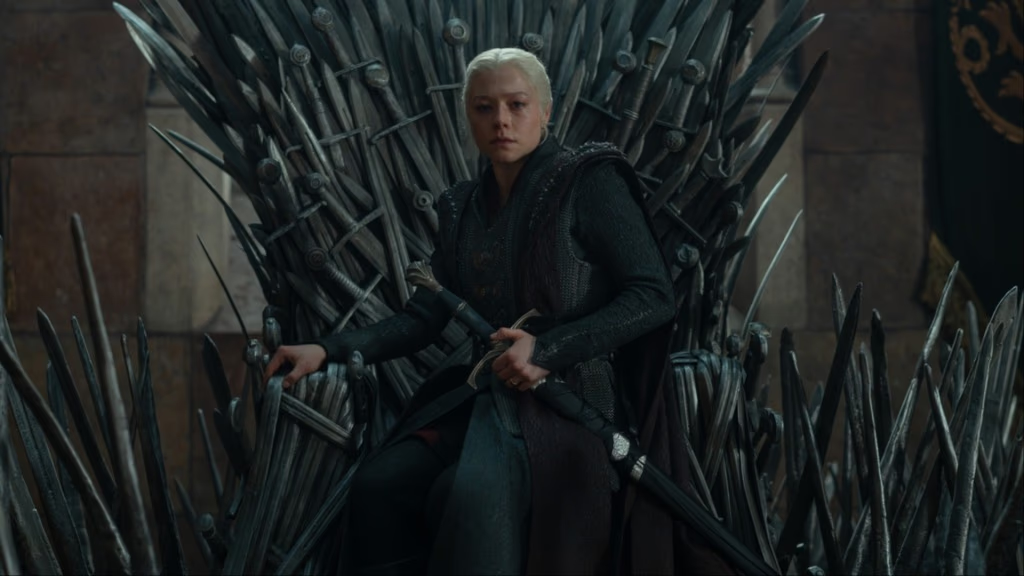
Rhaenyra's Bloody First Kill Defines Her Reign in House of the Dragon
King's Landing is hers, but the cost of the Iron Throne is already immense. Rhaenyra Targaryen's ascent to power is marred by a brutal act of vengeance that has left fans reeling.
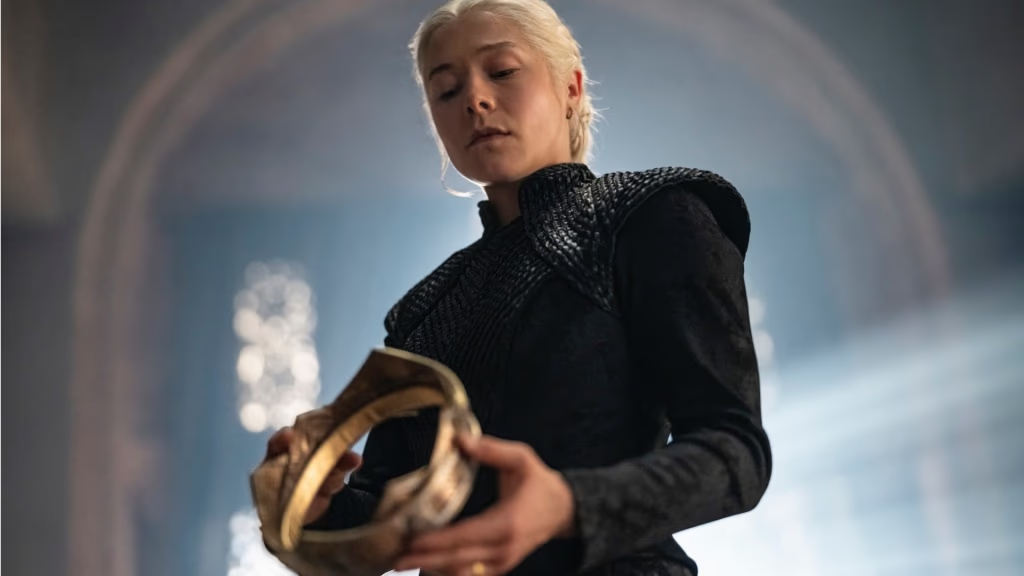
La Casa del Dragón: Una Lección de Historia para los Verdaderos Fans de Westeros
Aunque algunos fans la encontraron lenta, la enfoque intrincado de La Casa del Dragón en la lore de Westeros es su mayor fortaleza. Es un tipo diferente de precuela de Game of Thrones que recompensa a los que se sumergen profundamente en su pasado ficticio. La serie ofrece una visión única y detallada de la historia de los Targaryen, que eventualmente conduciría a los eventos de Game of Thrones.