 WeCult App
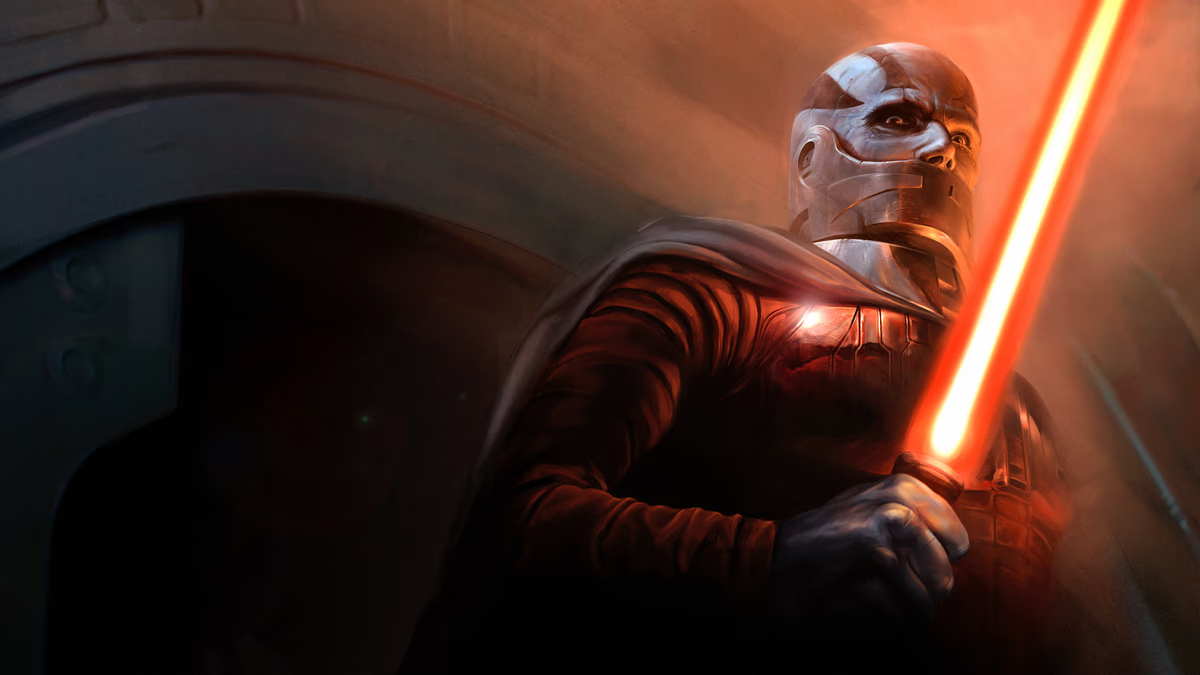
BioWare's Fate Casts Shadow Over Single-Player RPGs After EA Buyout
The legendary studio behind Mass Effect and Dragon Age faces an uncertain future following a massive acquisition. This closure raises serious questions about the viability of beloved single-player game development in the face of private equity.
The recent closure of BioWare, the studio synonymous with epic single-player RPGs like Mass Effect and Dragon Age, has sent shockwaves through the gaming community. This drastic move, following the leveraged buyout of its parent company Electronic Arts (EA) by a consortium that includes Saudi investors and Jared Kushner, underscores a deeply dreaded trend in the industry. While EA's own stewardship of BioWare has been rocky, with missteps like shifting focus to live services, the intervention of private equity often brings a different, more systematic kind of pressure.
The core concern lies in private equity's operational playbook. Ostensibly aimed at optimizing performance and unlocking untapped potential, these firms frequently employ a strategy of extracting maximum profit by leveraging debt and, in many cases, cannibalizing the acquired company. This can lead to rapid cost-cutting, layoffs, and a fundamental shift in strategic direction, prioritizing short-term financial gains over the long-term creative health and artistic vision of beloved studios. The closure of BioWare and the reported 400 layoffs across EA serve as a stark warning of this approach.
The Private Equity Playbook
Private equity firms operate by acquiring companies, often using significant debt to finance the purchase. The acquired company then becomes responsible for paying off this debt, creating immediate financial strain. The goal is to increase the company's value and sell it for a profit within a few years. However, critics argue that this model often incentivizes aggressive cost-cutting and asset stripping rather than genuine investment and nurturing of the business. In the gaming world, this can translate to studios being pushed towards safer, more commercially predictable projects, potentially sidelining the ambitious, narrative-rich experiences that fans cherish and that have historically defined studios like BioWare.
Fan and Community Reaction
The news has understandably ignited a firestorm of concern among BioWare's dedicated fanbase. For years, players have invested deeply in the worlds of Mass Effect and Dragon Age, cherishing the rich storytelling, complex characters, and player agency that the studio pioneered. The prospect of these franchises being managed under a model that prioritizes rapid profit extraction over creative integrity is a bitter pill to swallow. Many fear that this acquisition marks not just the end of BioWare as we knew it, but also a worrying precedent for other studios that focus on high-budget, single-player experiences, which are often seen as riskier investments in the current market.
What's Next
With BioWare's fate now sealed, the industry will be watching closely to see how its remaining intellectual properties are handled. The swiftness of these developments following the buyout suggests that major strategic decisions have already been made. Details regarding the future of franchises like Mass Effect and Dragon Age under the new ownership remain scarce, leaving fans in a state of anxious anticipation.
The BioWare situation highlights a growing industry concern: how private equity's profit-driven model clashes with the long-term, high-risk nature of developing ambitious narrative-driven games.




WeCult App
Track your games — all in one place
Follow releases, track progress, discover what matches your taste. Rate "BioWare's Fate Casts Shadow Over Single-…" on the app.
Artículos Relacionados
BioWare's Future Uncertain: Reports of Shutdown and Mass Effect 5 Cancellation Emerge
Turbulent times may be ahead for the legendary studio behind Mass Effect and Dragon Age. Recent reports from IGN and DiscussingFilm suggest BioWare is facing a shutdown, with the next installment of the beloved Mass Effect saga potentially cancelled.
Arkane Lyon's Fate Hangs in Balance as Microsoft Weighs Studio Closure
The acclaimed studio behind Dishonored and Deathloop faces an uncertain future under Microsoft's ownership. A critical deadline looms that could determine whether Arkane Lyon is shut down.

Mass Effect Fans Demand EA Boycott Over BioWare Studio Closure
A growing chorus of Mass Effect fans are calling for a boycott of all EA products and services. This outcry follows the shutdown of beloved developer BioWare and the cancellation of the next installment in the iconic sci-fi RPG series.