 WeCult App

Clayface Director James Watkins Details Tragic Ending and Joker Clues
Director James Watkins dives deep into the somber conclusion of **Clayface**, revealing the narrative choices behind the villain's fate and hinting at deeper connections within Gotham's lore.
Gotham City’s rogues gallery just got a devastating new chapter with Clayface, directed by James Watkins. The horror-thriller, which arrived on October 23, 2026, delves into the tragic origins of Basil Karlo, a character often defined by his shapeshifting abilities but rarely by his profound despair. Watkins, known for his work on Eden Lake and The Woman in Black, teamed up with co-writers Mike Flanagan and Hossein Amini to craft a narrative that leans heavily into the character's inherent pathos.
In a recent interview, Watkins shed light on the film's particularly bleak ending, a decision that has resonated with audiences and critics alike. The film, produced on a $40 million budget, aimed for a grounded, practical approach to its fantastical elements, a choice that Watkins felt was crucial for the story's emotional impact. The director also alluded to subtle nods to the wider Batman universe, specifically mentioning Easter eggs that connect to the Clown Prince of Crime himself, the Joker. These details, while not central to Karlo’s immediate tragedy, suggest a Gotham City where darkness breeds in many forms, often in close proximity.
Unpacking the Tragic Conclusion
The film’s conclusion, which Watkins describes as deeply sad, leaves the fate of Basil Karlo in a precarious and poignant state. While the specifics of his current status remain open to interpretation, the director emphasized that the ending is not one of simple defeat but of profound, almost existential, loss. This approach elevates Clayface beyond a typical villain origin story, positioning it as a character study of a man consumed by his own tragedy and the city's inherent cruelty.
"The ending is meant to be felt, to linger, and to really underscore the tragedy of his transformation, both physically and emotionally." — James Watkins
This commitment to a somber tone, even amidst superheroics, is a hallmark of Watkins's directorial style. He has consistently gravitated towards stories that explore the darker aspects of human nature, and Clayface is no exception. The film’s critical reception has been mixed, with some praising its ambition and others finding its tone too heavy, but Watkins’s vision for the character is undeniable.
Easter Eggs and a Star's Secret Struggle
Beyond the narrative's emotional core, Watkins also pointed to subtle visual cues and Easter eggs woven throughout the film. These nods, particularly those referencing the Joker, serve to ground Clayface within the larger tapestry of Gotham's criminal underworld. They suggest a city where these iconic figures, however disparate their methods, are all products of the same suffocating environment. Furthermore, Watkins revealed that his lead star endured a secret injury during filming, a testament to their dedication to bringing the physically demanding role of Clayface to life. The specifics of the injury and how it was managed are details that add another layer of appreciation for the performance.
What's Next for Clayface?
Details regarding future installments or the character's next appearance have not yet been announced. However, the impact of James Watkins's Clayface suggests that the character's complex and tragic journey has only just begun, leaving fans eager to see where his story might lead next within the DC universe.
Watkins's thoughtful approach to a darker Clayface origin story, balancing psychological depth with genre conventions, offers a compelling new take on a classic Batman antagonist.




WeCult App
Track your films — all in one place
Follow releases, track progress, discover what matches your taste. Rate "Clayface Director James Watkins Details …" on the app.
Artículos Relacionados

Clayface Director Reveals Aaron Paul's Surprise DCU Cameo
The R-rated body horror 'Clayface' has landed, and director James Watkins is spilling details on its surprising cameos and the chilling introduction of Gotham City. Fans are buzzing about a familiar face popping up in the rebooted DC Universe.
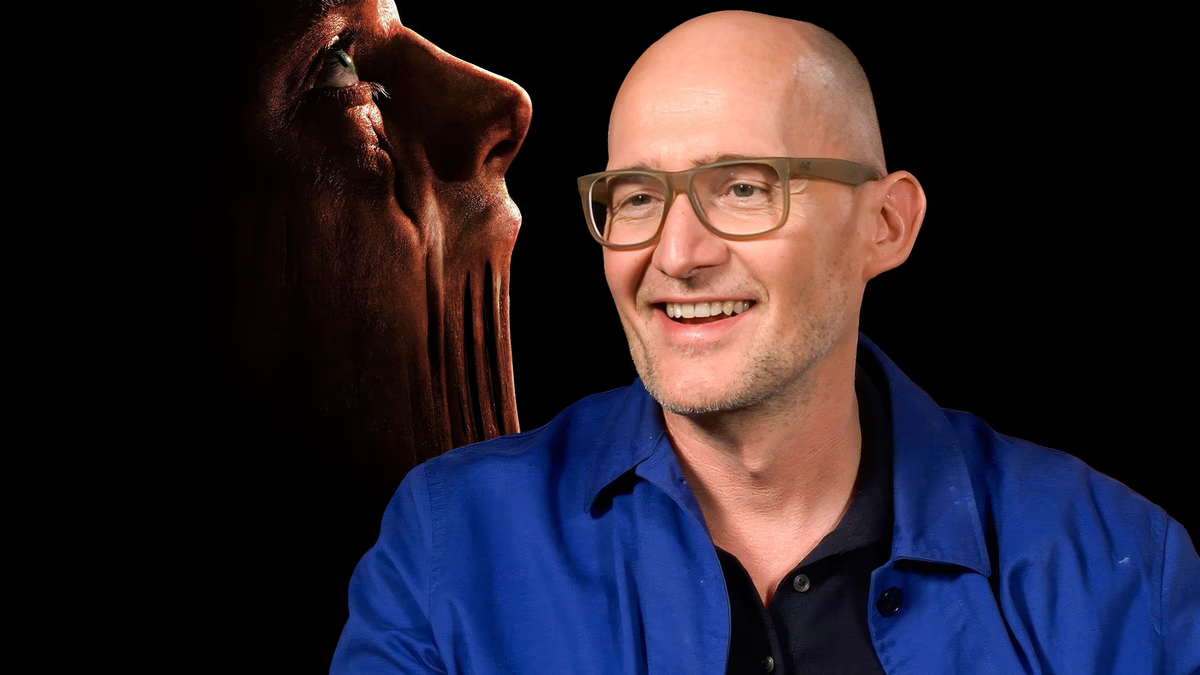
'Clayface' Director Gets DCU Gotham Reinvention Freedom From James Gunn
James Gunn and Peter Safran are granting unprecedented creative control for the upcoming DCU film, 'Clayface'. Director James Watkins confirms a completely fresh take on Gotham City, unburdened by prior mandates.
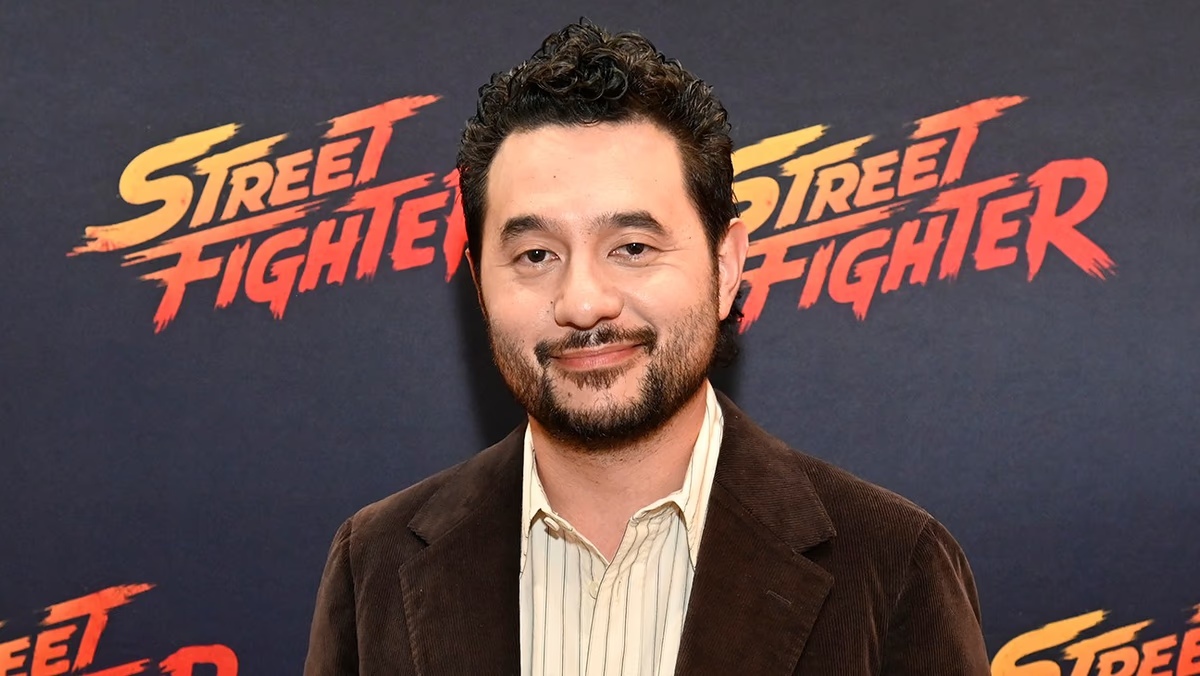
Kitao Sakurai Unleashes 'Street Fighter' With Glorious, Ridiculous Vision
From the chaotic energy of 'The Eric Andre Show' to the vibrant world of fighting games, director Kitao Sakurai is bringing his unique flair to the silver screen. His upcoming 'Street Fighter' film promises a wild ride for fans.