 WeCult App
Warner Bros. Legacy: Beyond Capes, Magic, and IP
Warner Bros. has long been associated with iconic franchises like DC Comics and Harry Potter. However, the studio's true enduring value lies in its deep-rooted history of championing visionary filmmakers.
Warner Bros. is undeniably a titan of Hollywood, its vaults overflowing with beloved intellectual property. From the caped crusaders of DC Comics and the magical world of Harry Potter to the anarchic charm of Looney Tunes, these brands are cornerstones of the studio's identity. Yet, to define Warner Bros. solely by its franchises and sequels is to miss the richer, more profound narrative of its existence.
The studio's legacy is equally, if not more, defined by its willingness to nurture and empower auteurs. A prime example is the legendary relationship with Stanley Kubrick. After the groundbreaking success of 2001: A Space Odyssey, which was produced by a struggling MGM, a forward-thinking John Calley at Warner Bros. saw an opportunity. He offered Kubrick final cut on his next project, an adaptation of Anthony Burgess's A Clockwork Orange, a promise that solidified WB as a filmmaker-first studio.
This trust, extended to Kubrick for nearly three decades and five films including The Shining and Eyes Wide Shut, became a template. While the specifics of executive access evolved – with only Terry Semel reportedly reading scripts during his tenure – the underlying principle of trusting directorial vision persisted. This filmmaker-centric approach allowed Warner Bros. to become the home for groundbreaking work, fostering a culture that valued artistic integrity alongside commercial success.
The Director's Studio
This filmmaker-first ethos wasn't an anomaly; it was a foundational element that set Warner Bros. apart. It's this very spirit that allowed for ambitious projects like Christopher Nolan's reinvention of Batman or the gamble on Peter Jackson's epic Lord of the Rings saga, which was once a daring proposition from a young horror director. Even in the modern era, this legacy continues, with directors like Ryan Coogler, Paul Thomas Anderson, and Zach Cregger finding a home for their distinct visions within the studio's walls. It suggests that WB's strength isn't just in the characters it owns, but in the creative partnerships it cultivates.
For the Love of Cinema
For fans, this historical commitment to directorial vision offers a powerful connection to the studio's output. It means that beyond the familiar logos and sequels, there's a deeper appreciation for the art of filmmaking itself. This approach resonates with cinephiles and casual viewers alike, promising films that aim for more than just brand recognition. It's this dedication to storytelling and artistic freedom that continues to fuel excitement for Warner Bros.' future projects, reminding audiences that great cinema is often born from bold creative choices and unwavering trust.
What's Next
As Warner Bros. continues to navigate the evolving landscape of entertainment, its rich history of supporting directorial talent remains a key asset. Audiences can anticipate future projects that, much like WB's past successes, will likely blend beloved IP with the distinct visions of today's most compelling filmmakers.
This analysis delves into Warner Bros.' historical commitment to directorial freedom, showcasing how this approach has shaped its legacy beyond mere intellectual property.

WeCult App
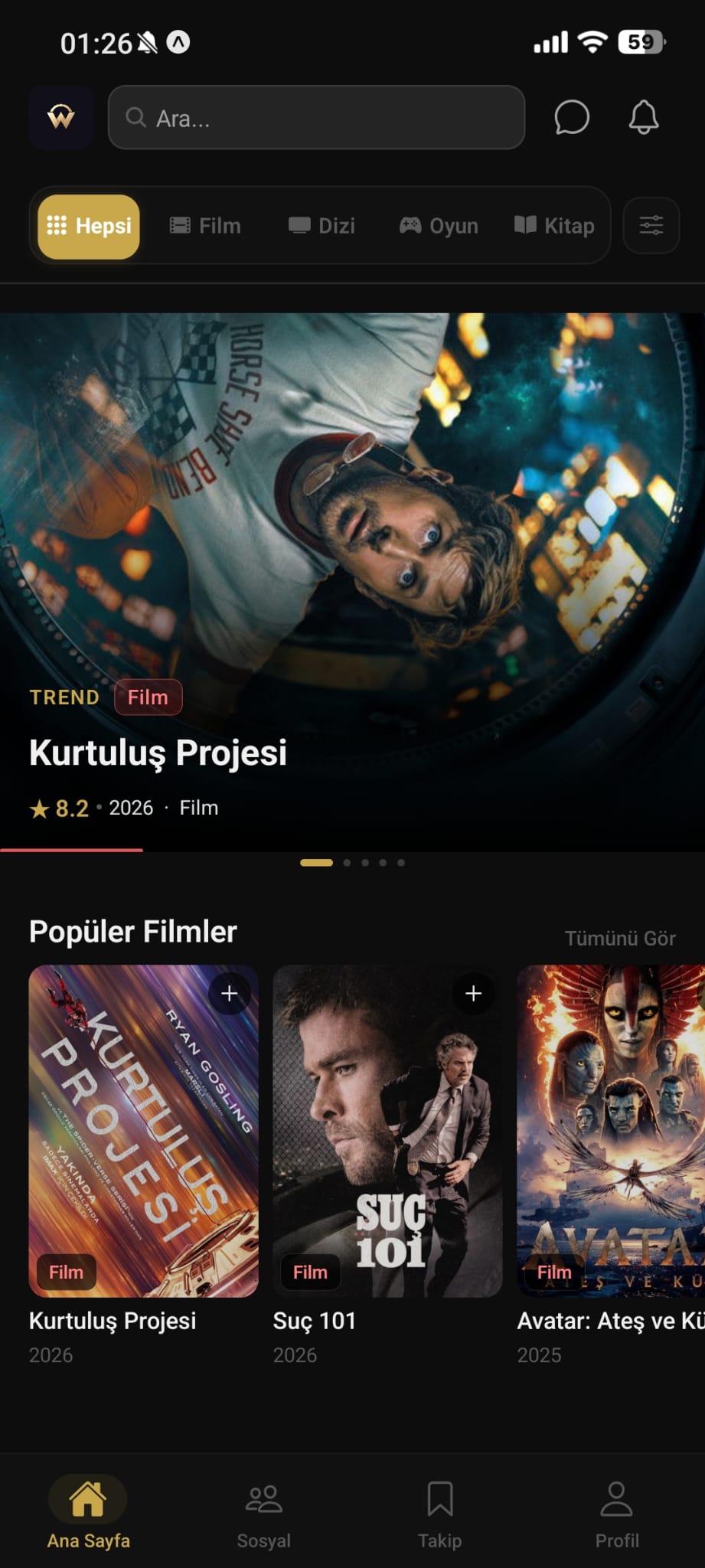
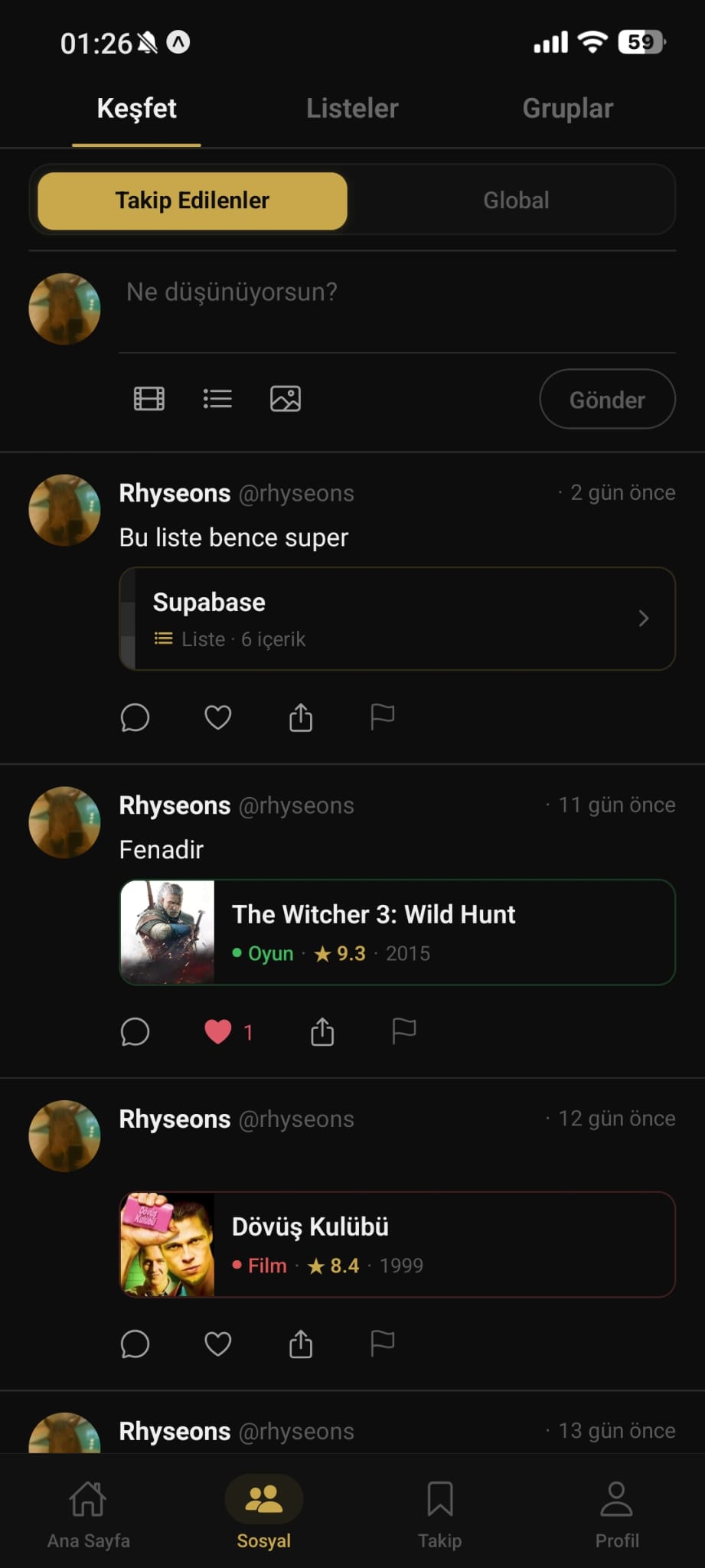
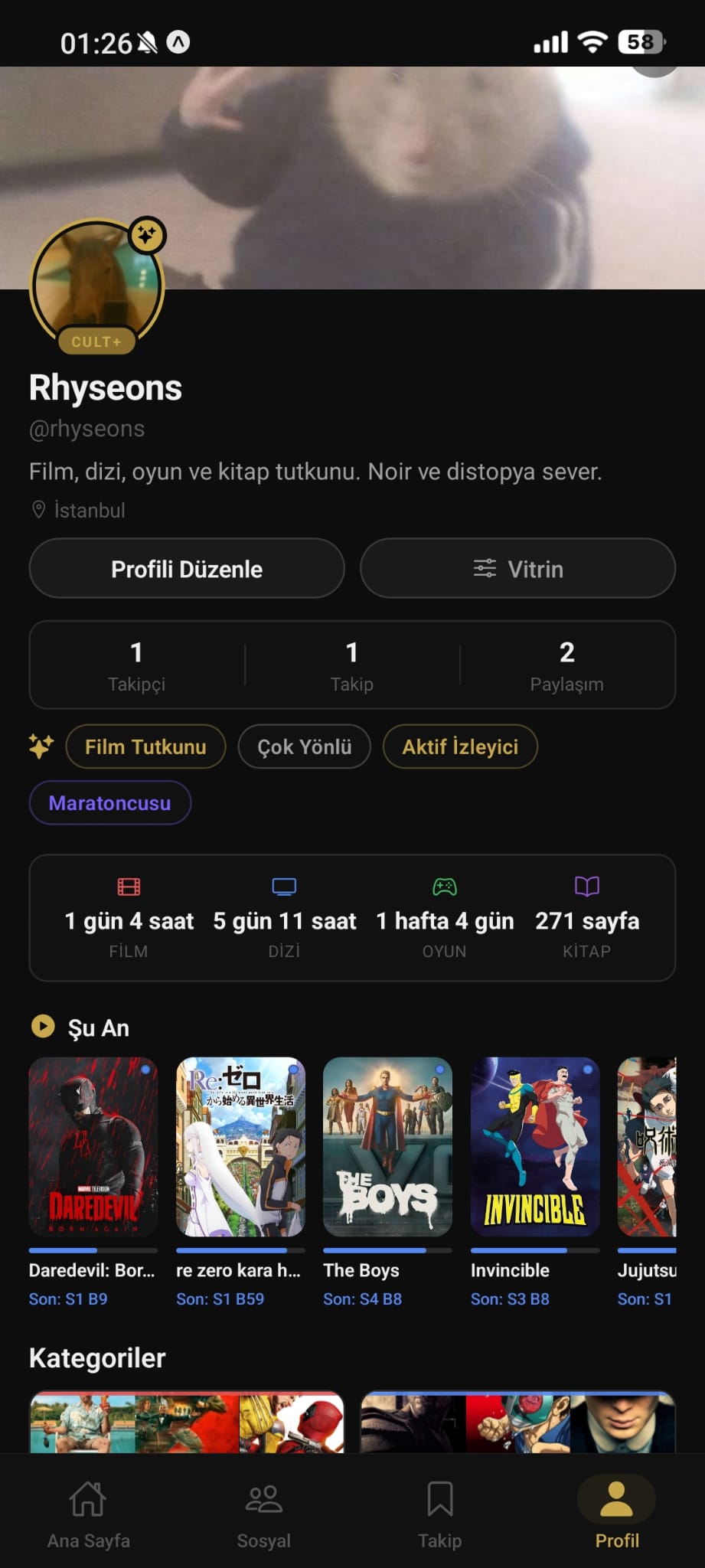
Track your films — all in one place
Follow releases, track progress, discover what matches your taste. Rate "Warner Bros. Legacy: Beyond Capes, Magic…" on the app.
Artículos Relacionados
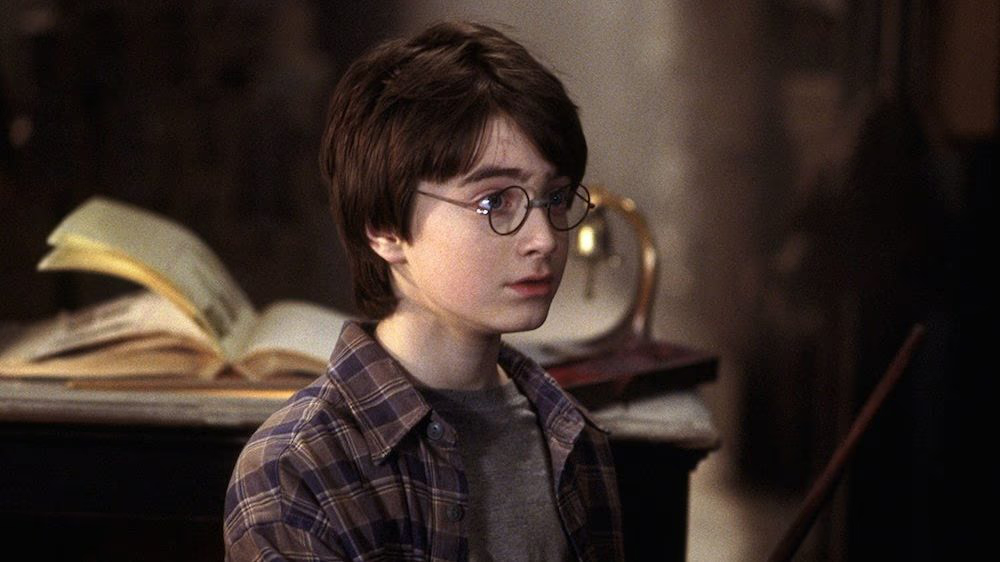
Harry Potter y la Piedra Filosofal cumple 25 años: Celebraciones globales y vistazos a la serie de HBO
Prepárate para regresar a Hogwarts. 2026 marca un hito mágico con el 25 aniversario de 'Harry Potter y la Piedra Filosofal', prometiendo una celebración global. Los fanáticos podrán disfrutar de una reestrenada en cines de la película original y obtener vistazos de la esperada serie de HBO
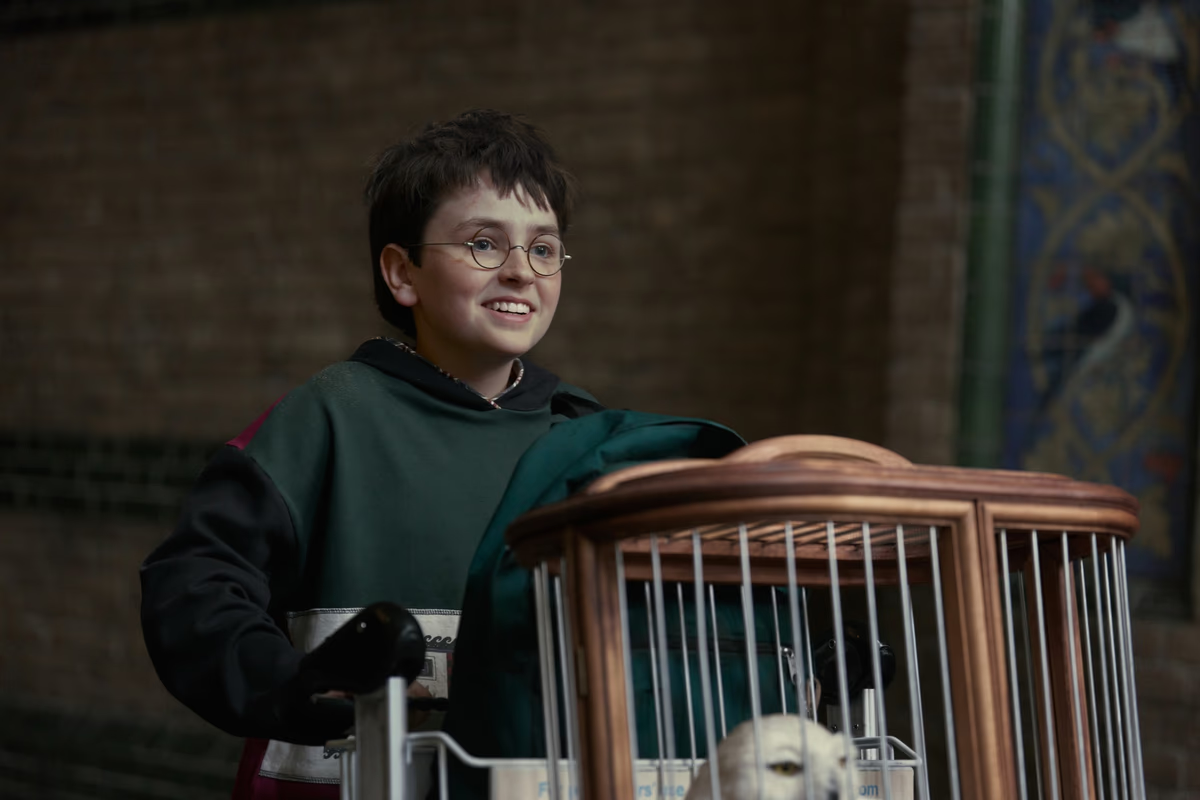
El equipo de HBO behind Harry Potter enfrenta desafíos en la filmación
La serie de HBO basada en Harry Potter está en producción y el equipo de filmación enfrenta desafíos únicos. El director de fotografía, Adriano Goldman, describe las condiciones de filmación como 'brutales' debido a los estrictos horarios académicos de los jóvenes actores.

Mandalorian and Grogu: Hal Hickel on Rotta's Redesign & Favreau's 'Jackass' Approach
Animation supervisor Hal Hickel dives into the creature design for 'The Mandalorian and Grogu,' revealing the inspiration behind Rotta the Hutt's athletic build. He also touches on Jon Favreau's unique vision for bringing classic Star Wars elements to life.