 WeCult App
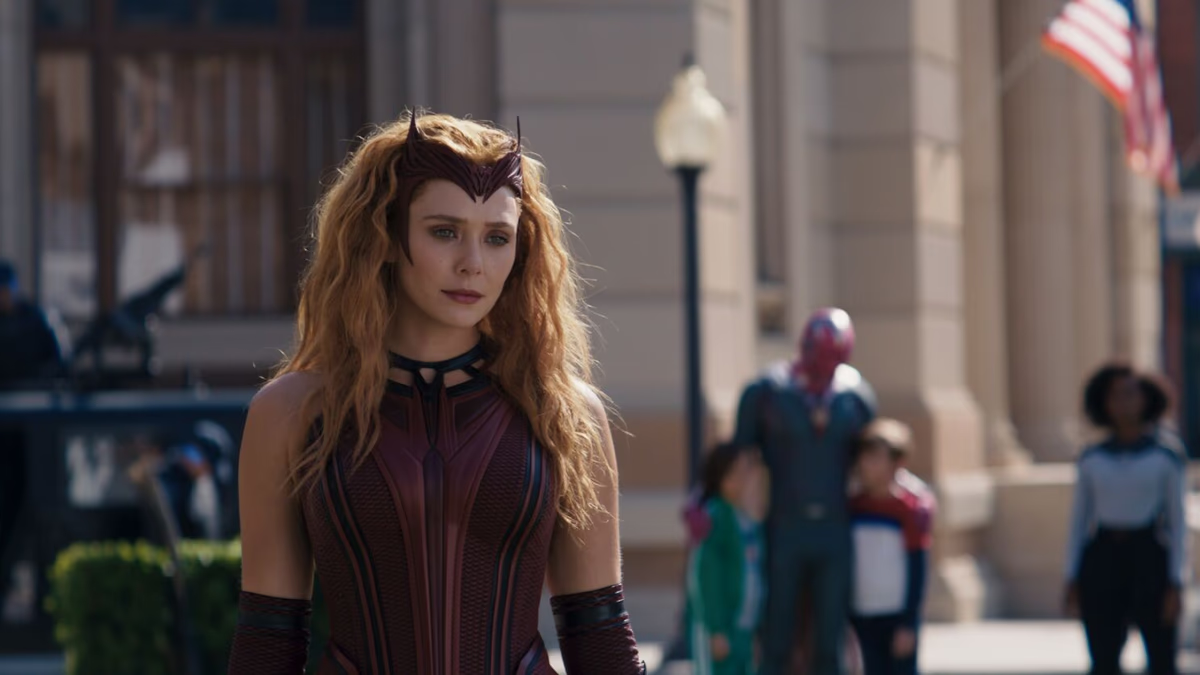
Wanda Maximoff Proves She's the True Anchor of the MCU
VisionQuest's finale might have focused on Vision, but a surprise post-credits scene shifted all attention back to the Scarlet Witch. It seems even the show's star knew this was inevitable.
A strange thing happened when VisionQuest wrapped its first season. The Disney+ series, spearheaded by Terry Matalas, delivered a compelling narrative centered on the synthezoid Vision ( Paul Bettany) and his volatile creator Ultron ( James Spader). It explored profound questions about life and existence, boasted strong chemistry between its leads, and even managed to surpass its predecessor, WandaVision, in certain aspects. Yet, as a surprise post-credits sequence played, revealing Doctor Doom ( Robert Downey Jr.) resurrecting Wanda Maximoff ( Elizabeth Olsen) for a future Avengers: Doomsday, the conversation irrevocably shifted. Suddenly, all eyes were on the Scarlet Witch.
This pivot was perhaps anticipated by the show's own star. In an exit interview with The Playlist, Paul Bettany admitted he actively discouraged Marvel Studios head Kevin Feige from including Olsen in the series. "I really don’t think you should distract from [Vision] by giving the audience that at the end of the [show]," Bettany stated. "It will just fundamentally all become about WandaVision again, and this should and can stand on its own." While Bettany was correct that VisionQuest ultimately stood on its own merits, he was also prescient about the magnetic pull of Wanda Maximoff. Her presence, even in absence, proved she remains a foundational anchor for the entire Marvel Cinematic Universe.
The Unshakeable Pull of the Scarlet Witch
Wanda Maximoff's journey from a Silver Age mutant with hex powers to a reality-warping cosmic entity has been one of the most transformative arcs in the MCU. Her initial appearances in comics were alongside her brother Quicksilver as part of the Brotherhood of Evil Mutants, wielding powers that were often reactive. Over decades, however, her abilities evolved dramatically, culminating in the powerful, grief-fueled Scarlet Witch we've seen in the MCU. WandaVision itself was a masterclass in character exploration, delving into her psyche through decades of sitcom tropes. Despite the focus on Vision's quest for identity and his confrontation with Ultron, the narrative always seemed to circle back to Wanda's influence and emotional impact, a testament to the character's deep resonance with audiences.
Why This Matters to Fans
For dedicated fans, the enduring appeal of Wanda Maximoff isn't just about her immense power; it's about her complex emotional journey and her pivotal role in shaping the MCU's present and future. Her connection to Vision is one of the most compelling relationships in the franchise, and her status as a near-omnipotent being makes her a crucial player in any major cosmic threat. The ending of VisionQuest, while seemingly setting up new storylines, ultimately reinforces that no matter the focus of a given series or film, Wanda's narrative thread is inextricably woven into the fabric of the MCU. Her resurrection by Doctor Doom signals her central importance in upcoming multiversal conflicts, leaving fans eager to see how her story unfolds next.
What's Next
With Wanda Maximoff officially back in the fold and seemingly under the influence of Doctor Doom, her next appearance is highly anticipated. While specific details regarding her role in Avengers: Doomsday or other upcoming projects have not yet been announced, her resurrection confirms her continued significance. Fans can expect her influence to be felt across the MCU as the Multiverse Saga progresses.
VisionQuest's unexpected Wanda-centric ending and Paul Bettany's candid remarks highlight the enduring power and narrative gravity of Elizabeth Olsen's Scarlet Witch in the MCU.




WeCult App
Track your series — all in one place
Follow releases, track progress, discover what matches your taste. Rate "Wanda Maximoff Proves She's the True Anc…" on the app.
More Like This
VisionQuest's Ultron Twist Teases a Fascinating WWII MCU Prequel
The VisionQuest finale not only deepened our understanding of Vision and Ultron but also planted seeds for a surprising historical corner of the MCU. Showrunner Terry Matalas has revealed a desire to explore a legendary Marvel hero's origins in a WWII setting.
Kevin Feige Kept Scarlet Witch Out of VisionQuest for a Surprising Reason
Marvel Studios head Kevin Feige actively prevented Wanda Maximoff's return in the Disney+ series VisionQuest. His reasoning? To let Vision's story stand entirely on its own.
VisionQuest Finale Hints: 5 Burning Questions Marvel Fans Are Asking
The VisionQuest finale has left Marvel fans with more questions than answers, reigniting debates about Wanda Maximoff's fate and Vision's complex journey. As the series wraps up, these lingering threads are already fueling speculation for future MCU installments.