 WeCult App
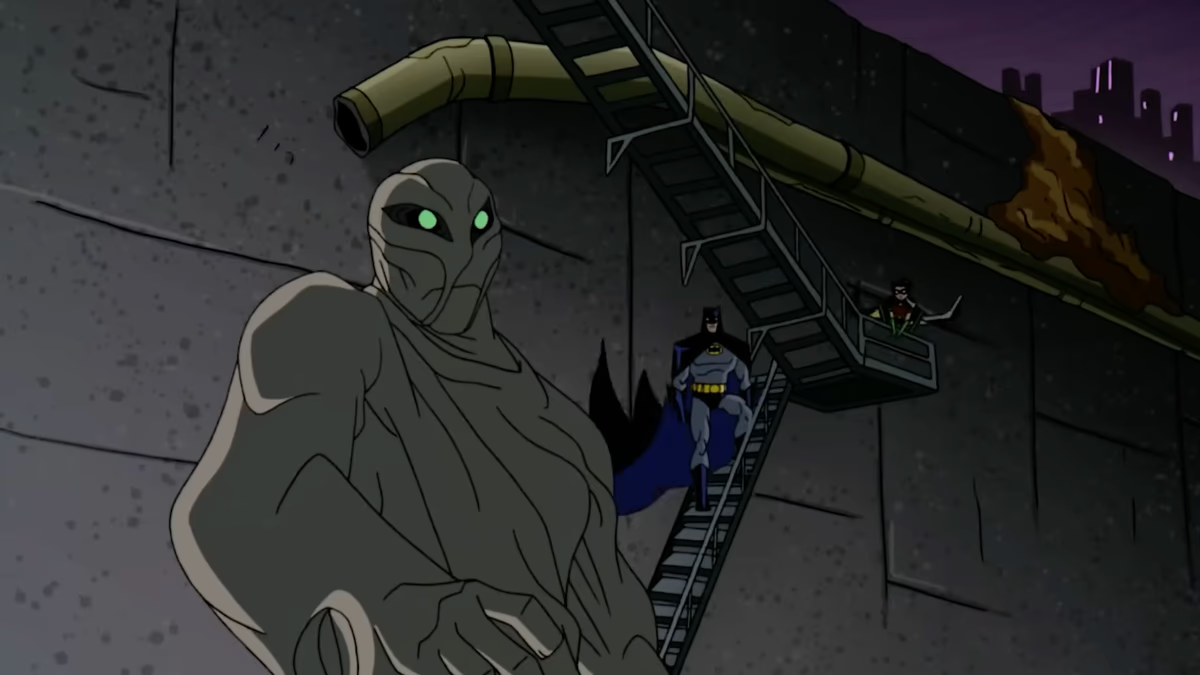
DCU's Clayface Movie Finds Its Best Version in Unexpected Place
While the upcoming DCU movie taps into **Batman: The Animated Series** for inspiration, a surprising earlier show offered a more compelling take on the shapeshifting villain. Get ready to dive into the darker, more tragic arcs that define the true potential of Clayface.
The upcoming DCU movie Clayface, slated for an October 23, 2026 release, has confirmed its inspiration lies heavily in the beloved Batman: The Animated Series two-part episode, “Feat of Clay.” This classic tale introduced audiences to the tragic origins of Matt Hagen, a struggling actor desperate to regain his looks and career through a mysterious face-changing serum. It’s a foundational story, layering detective work with villainous pathos, and it's understandable why new DC Studios heads James Gunn and Peter Safran would look to it for a modern adaptation, especially given director Mike Flanagan's initial script development.
However, while “Feat of Clay” is undoubtedly a landmark episode, it's not the only animated series to offer a truly compelling Clayface. Years before the DCU was even a concept, The Batman, which premiered in 2004, delivered a surprisingly dark and character-driven take on the villain in its season one finale. The two-part episode, “The Rubberface of Comedy/The Clayface of Tragedy,” reimagined Clayface not as a born villain, but as a victim of circumstance and horrific transformation. In this iteration, Detective Ethan Bennet is captured by the Joker, subjected to a terrifying psychological ordeal, and injected with a substance that fundamentally alters his physical form and mental state. This story arc emphasizes the tragedy and horror of losing control over one’s own body and identity, a potent thematic core that resonates deeply.
A More Tragic Transformation
The brilliance of The Batman's Clayface lies in its commitment to the character’s descent. Unlike the more straightforwardly tragic Matt Hagen of Batman: The Animated Series, Detective Bennet's transformation is a direct result of a villain's cruel machinations. This external catalyst amplifies the horror, making his plight feel less like a consequence of personal ambition and more like a brutal violation. The showrunners leaned into the grotesque nature of his powers, presenting a Clayface that was as pitiable as he was monstrous. This approach provided a richer narrative for fans who appreciate the psychological depth and darker undercurrents that can elevate superhero storytelling beyond simple good versus evil.
What This Means for the DCU
As the DCU gears up to introduce its own version of Clayface, the success of The Batman’s arc offers a valuable blueprint. While the inspiration from Batman: The Animated Series is clear, the darker, more psychologically tormenting path taken by The Batman might hold the key to creating a truly memorable villain for a new generation. Fans have long debated which iteration best captures the essence of the character, and the upcoming film has an opportunity to synthesize these elements. The shift from Mike Flanagan's initial script to a new one by writer Amini indicates that the DCU is still refining its vision, and drawing from the most impactful interpretations across animation history will be crucial for Clayface's success.
What's Next
The Clayface movie is scheduled for release on October 23, 2026. Details regarding the full cast and director are still emerging, but the confirmed inspiration from classic animated stories sets a high bar for narrative ambition.
This piece explores how an older animated series, **The Batman**, delivered a more emotionally resonant Clayface origin than its iconic predecessor, offering a valuable lesson for the upcoming DCU film.




WeCult App
Track your series — all in one place
Follow releases, track progress, discover what matches your taste. Rate "DCU's Clayface Movie Finds Its Best Vers…" on the app.
More Like This
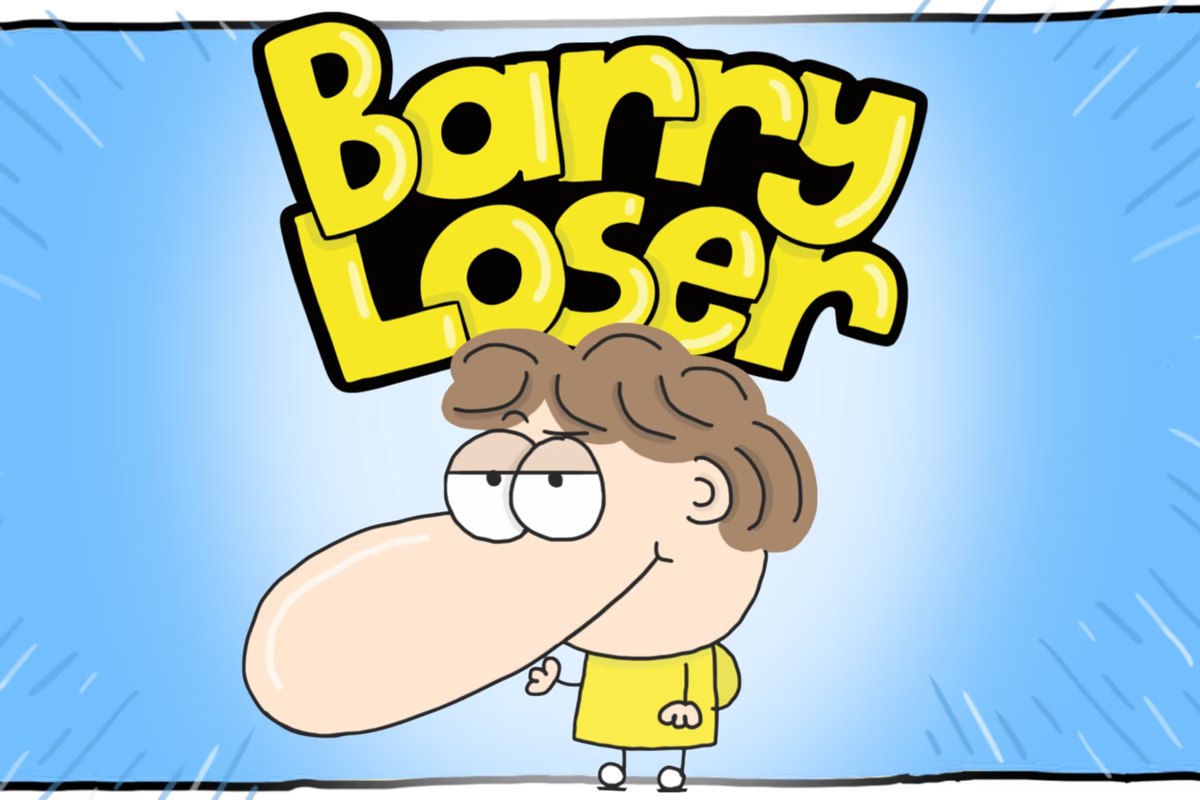
Barry Loser Animated Series Lands Italian Partners Ahead of MIA Market
The beloved U.K. children's book series 'Barry Loser' is officially getting the animated treatment. Italian production partners have been secured for the adaptation.
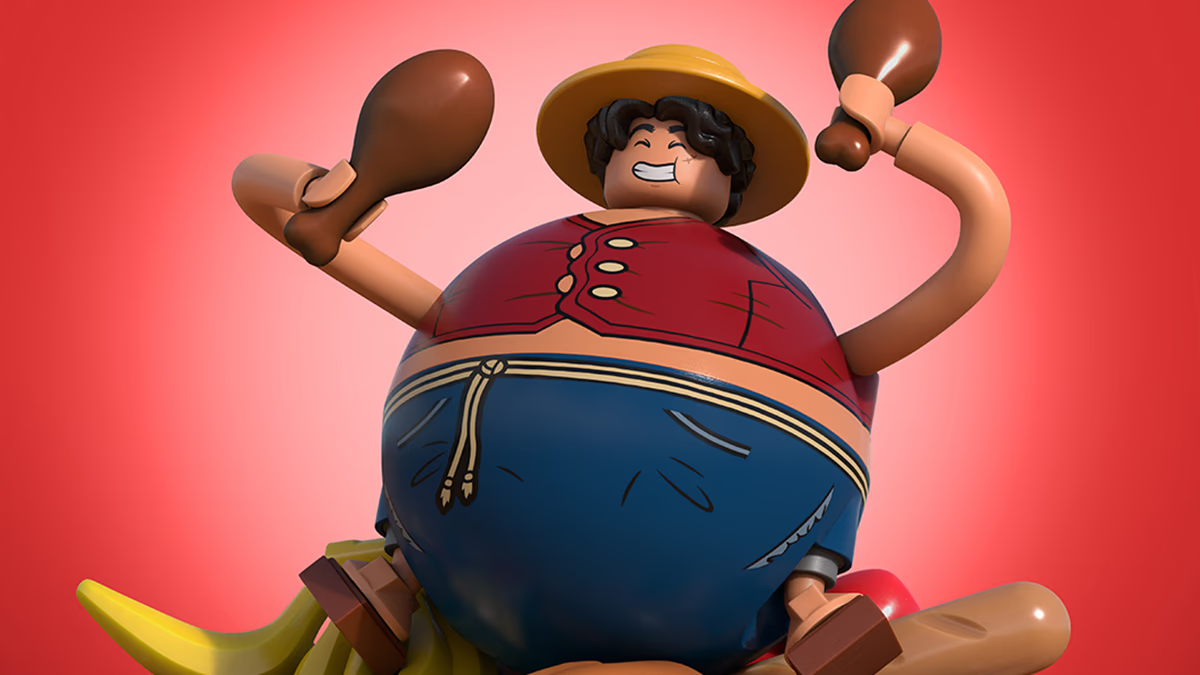
5 Netflix Franchises That Deserve the LEGO Animated Special Treatment
After the success of the new LEGO One Piece animated special, fans are wondering what other beloved Netflix shows could get the brick-built treatment. We've got the inside scoop on which series are prime candidates for a hilarious, family-friendly LEGO makeover.
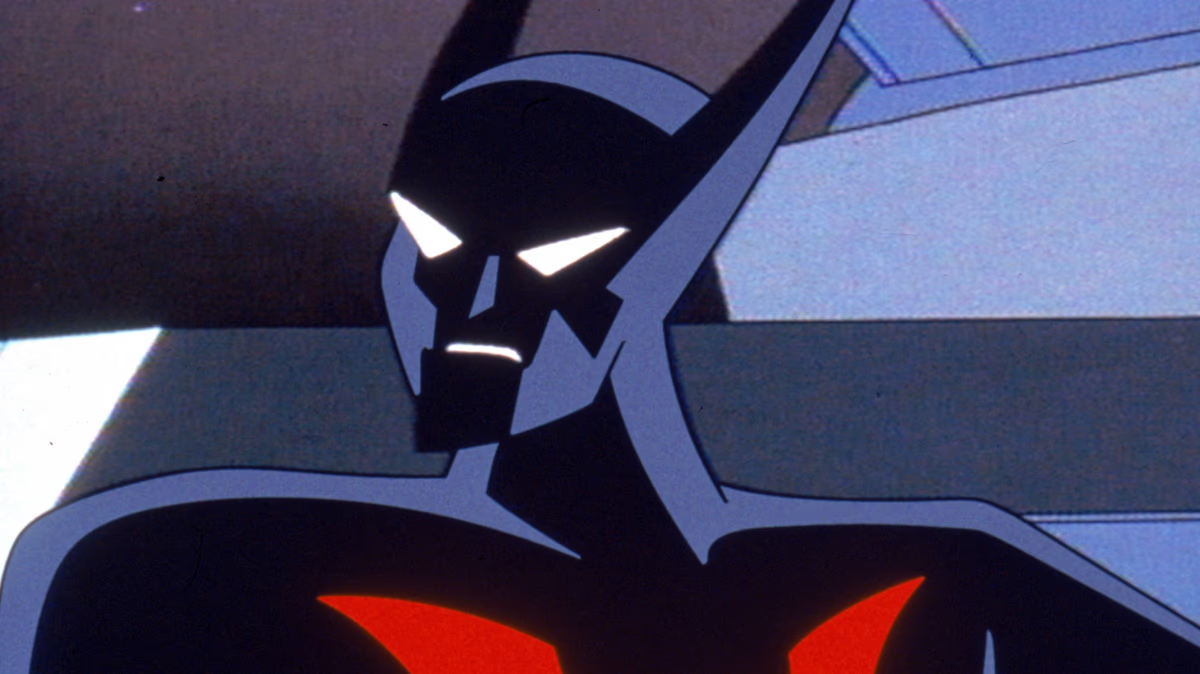
Batman Beyond's Forgotten Spin-Off: Why The Zeta Project Disappeared
While **Batman Beyond** remains a beloved cornerstone of the Dark Knight's animated legacy, its spin-off series, **The Zeta Project**, has largely faded from memory. Despite a two-season run, this android-centric adventure struggles to capture the same enduring fan interest today.