 WeCult App
Why Publishers Are Killing Original Games for Remasters
Publishers are increasingly delisting classic games, forcing fans to buy newer, often pricier remasters. This trend sparks frustration and raises questions about preserving gaming history.
It’s a practice that leaves a sour taste in the mouth of any dedicated gamer: seeing a beloved classic disappear from digital storefronts, only to be replaced by a shiny, often more expensive, remaster. This isn't a new phenomenon, but it seems to be solidifying into an unfortunate industry norm. The latest example causing a stir is the upcoming delisting of the Xbox 360 version of Toy Story 3 on September 29th. The reason? A remaster is on the horizon, making the original, perfectly playable $9.99 edition seemingly redundant in the eyes of publishers.
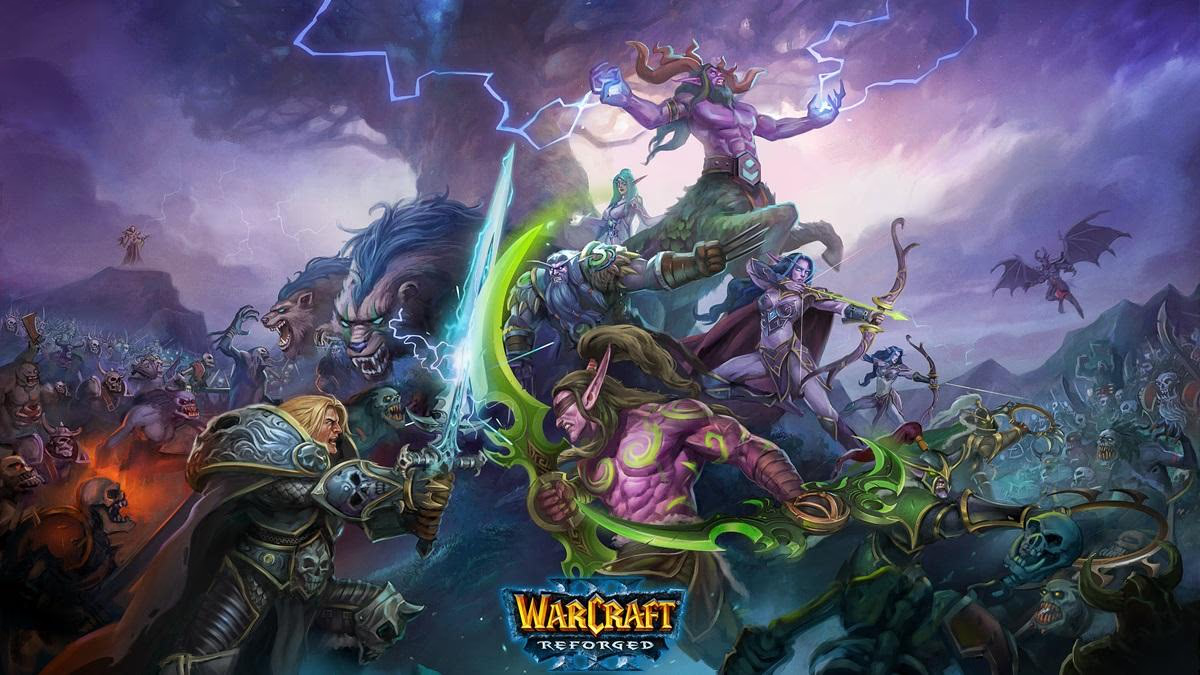
There’s nothing inherently wrong with the original Toy Story 3 game; it remains fully playable and enjoyable. Publishers, however, seem to believe that a remaster, which will inevitably carry a higher price tag, is the only way forward. The underlying motivation is clear: ensure players purchase the newer version and prevent them from having a less polished, but cheaper, alternative. This strategy also mitigates the risk of negative comparisons if the remaster doesn't live up to expectations. We’ve seen this play out disastrously before, most notably with Warcraft 3: Reforged. When Blizzard launched the remaster, they not only removed the original Reign of Chaos and The Frozen Throne from sale but also forcibly updated existing copies. This move stripped out beloved features and crippled custom game functionality, leading to widespread player backlash and even a surge in piracy as fans sought out older, more functional versions of the game. The fallout from that decision still resonates today.
The Community's Frustration
This trend has galvanized a significant portion of the gaming community, leading to movements like "Stop Killing Games" and even prompting legislative discussions in places like California and Brazil. Fans argue that digital delisting, especially when it’s to push a remaster, erodes gaming history and limits player choice. While some might concede that delisting is acceptable if it’s for a truly revolutionary overhaul, the current practice often feels more like a cash grab than a genuine preservation effort. The upcoming remasters of the God of War Trilogy and Gungrave G.O.R.E., both slated for 2026, will undoubtedly bring renewed attention to this issue, depending on how their respective originals are handled.
What's Next
As more remasters are announced, the pressure on publishers to maintain access to original titles will likely grow. Players will be watching closely to see if companies prioritize player choice and historical preservation or continue down the path of forced upgrades. Information regarding the exact plans for the original God of War Trilogy and other upcoming remasters is still developing.
The debate over delisting original games to push remasters highlights a fundamental tension between preserving legacy content and capitalizing on updated versions, impacting player access and publisher revenue.




WeCult App
Track your games — all in one place
Follow releases, track progress, discover what matches your taste. Rate "Why Publishers Are Killing Original Game…" on the app.
More Like This
Xbox Explores Nuclear Exclusivity Strategy, But Is It a Real Threat?
A leaked Xbox survey suggests a radical shift towards making nearly all first-party games console exclusive, excluding Call of Duty. This move, if enacted, could dramatically reshape the gaming landscape for PlayStation and Nintendo owners.
Resident Evil Remakes Unleash on Nintendo Switch 2 This Fall
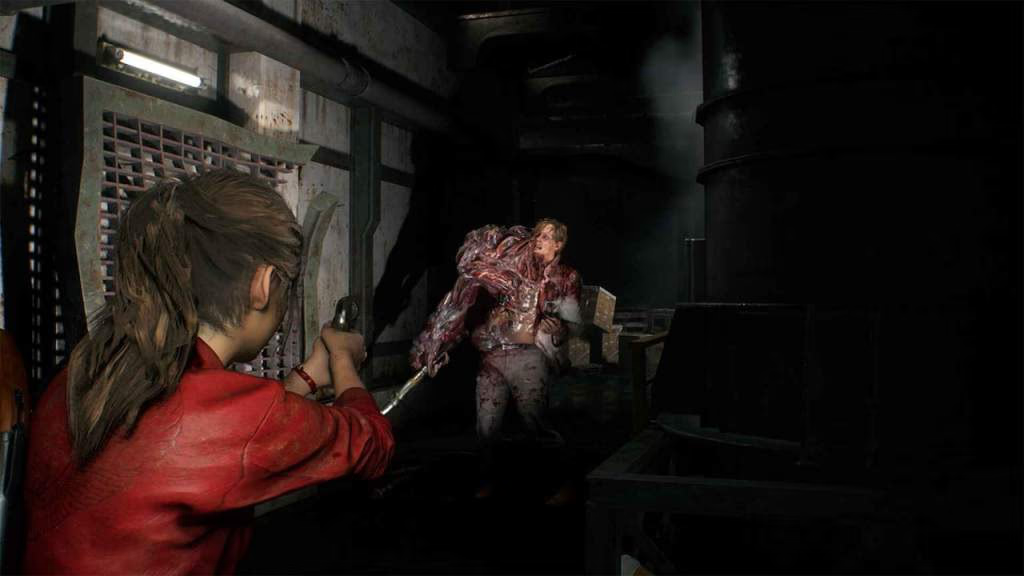
Capcom is bringing its acclaimed survival horror remakes to the Nintendo Switch 2, offering a portable way to experience iconic terror. Get ready to dive back into Raccoon City and beyond on a powerful new handheld.
Xbox Launches New XP Division for Film, TV, and Theme Park Spinoffs
Xbox is doubling down on its transmedia strategy with the launch of a new division dedicated to expanding its beloved game universes into film, TV, and even theme parks. This move solidifies their commitment to bringing iconic franchises to audiences beyond the console.