 WeCult App
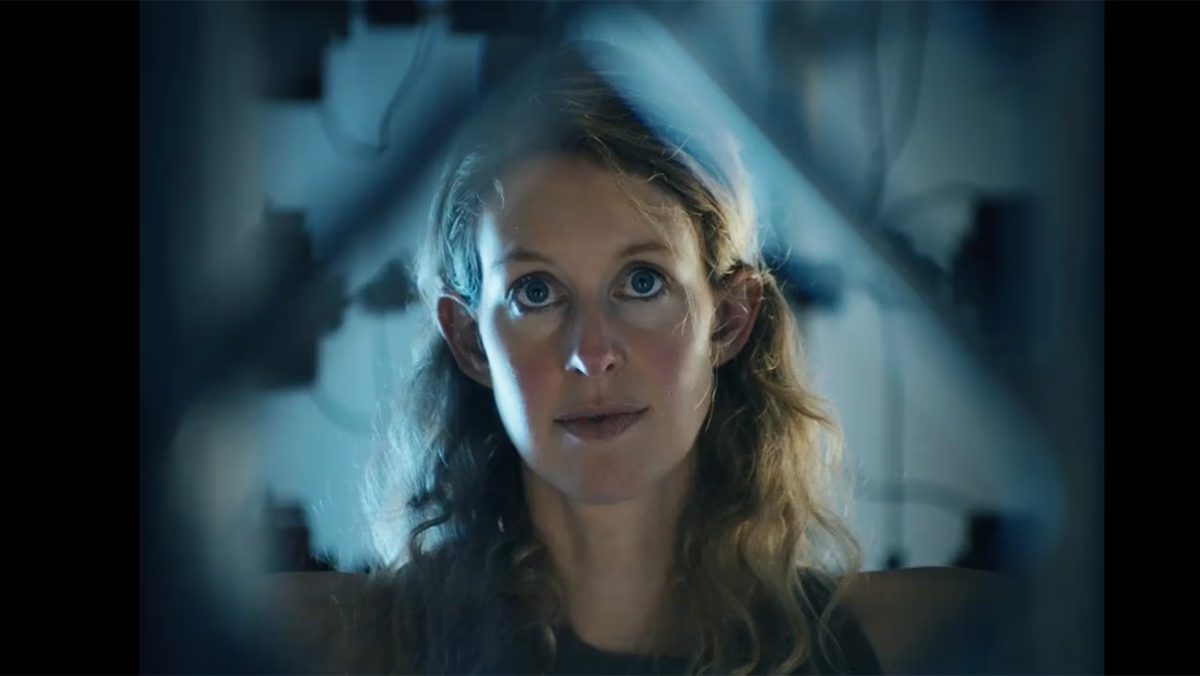
You Can See Everything: A Gothic Romance for the Ages?
Nathan Fielder and Lance Oppenheim's latest documentary is being hailed as a modern masterpiece, drawing parallels to classic tales of obsession and deception. Critics are calling it a must-see for anyone fascinated by the intersection of truth and performance.
In the annals of cinematic storytelling, few films manage to capture the unsettling allure of a gothic romance quite like Nathan Fielder and Lance Oppenheim's latest offering, 'You Can See Everything.' This hybrid documentary, which premiered to significant acclaim, plunges viewers into the meticulously curated world of Elizabeth Holmes, the disgraced Theranos founder, and her partner, Billy Evans. As Holmes prepared to begin her prison sentence for defrauding investors, she and Evans opened their lives to a film crew, creating a document that feels both intensely personal and eerily staged.
The film's genius lies in its ability to evoke a sense of dread and fascination, much like classic gothic tales. We are drawn into a narrative of grand ambition, hidden truths, and a love story unfolding under the shadow of impending consequences. The filmmakers expertly craft an atmosphere where reality blurs, leaving the audience questioning the authenticity of every smile, every declaration. It’s a shared unreality, a meticulously constructed performance that resonates with the psychological suspense found in films like 'Rebecca' or 'Gaslight,' and even the dreamlike disorientation of 'Mulholland Drive.'
A Shared Unreality
'You Can See Everything' doesn't just document a downfall; it explores the very nature of performance and self-perception. Holmes and Evans, by inviting cameras into their lives during such a pivotal and precarious moment, seem to be engaging in a final act of control, shaping their own narrative before it’s dictated by the legal system. The documentary's power stems from this inherent tension—the audience is privy to intimate moments, yet constantly aware of the artifice that might be at play. This exploration of truth, performance, and the creation of one's own reality has led many to suggest that 'You Can See Everything' will soon be a staple in film school curricula, discussed alongside established cinematic explorations of deception and psychological unraveling.
The Fan Phenomenon
For fans of Fielder and Oppenheim, this film is a culmination of their distinctive styles, a bold statement that pushes the boundaries of documentary filmmaking. The online discourse surrounding 'You Can See Everything' has been electric, with viewers dissecting every frame, debating the sincerity of Holmes and Evans, and marveling at the filmmaking duo's audacious vision. The film taps into a collective fascination with larger-than-life figures whose stories capture the public imagination, especially when those stories involve dramatic rises and falls. The sheer audacity of inviting cameras into such a vulnerable period has sparked countless discussions about privacy, legacy, and the human desire to control one's own story, no matter the cost.
What's Next
Following its premiere at the Telluride Film Festival and subsequent theatrical release by A24, 'You Can See Everything' is poised to become a major talking point in the awards season. Audiences worldwide are encouraged to seek out this mind-bending journey into a modern gothic tale.
This documentary's masterful blend of real-life drama and cinematic artistry positions it as a significant work for contemporary film studies, exploring themes of unreality and self-deception with a chilling, almost operatic intensity.




WeCult App
Track your films — all in one place
Follow releases, track progress, discover what matches your taste. Rate "You Can See Everything: A Gothic Romance…" on the app.
More Like This

Street Fighter Knocks Out Box Office; Elizabeth Holmes Doc Rises
The legendary fighting game franchise makes a powerful return to the silver screen, dominating the weekend box office. Meanwhile, a documentary diving into the controversial life of Elizabeth Holmes is also drawing significant attention.
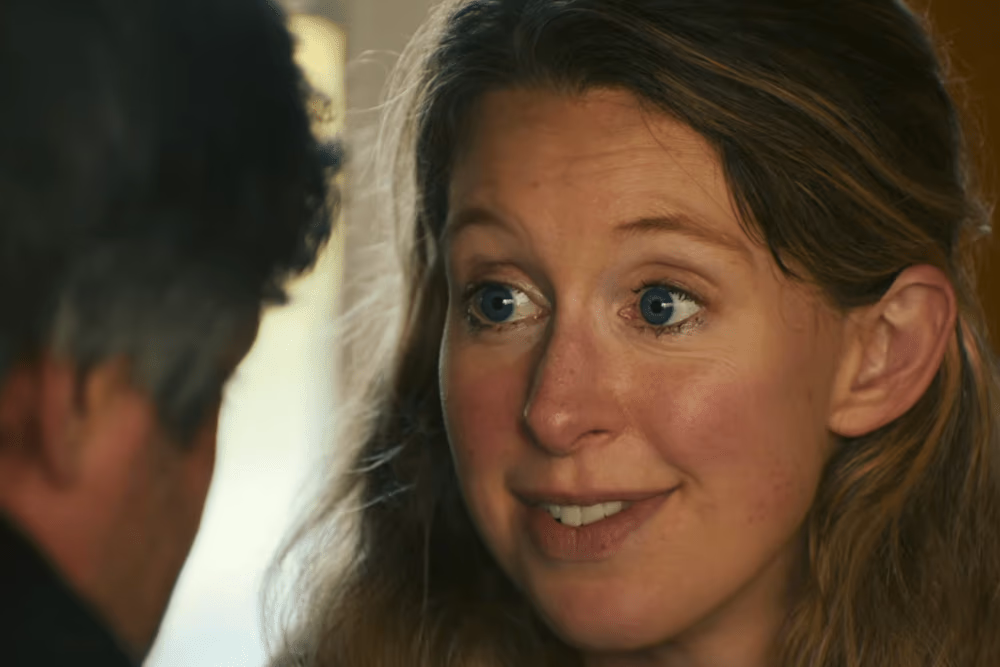
Nathan Fielder's Elizabeth Holmes Doc Finally Gets UK Release Date
The highly anticipated documentary 'You Can See Everything,' chronicling the final days of Theranos founder Elizabeth Holmes before her prison sentence, is set for a UK and Ireland cinematic debut. This A24 release offers a unique, intimate glimpse into a figure who once promised to revolutionize healthcare.
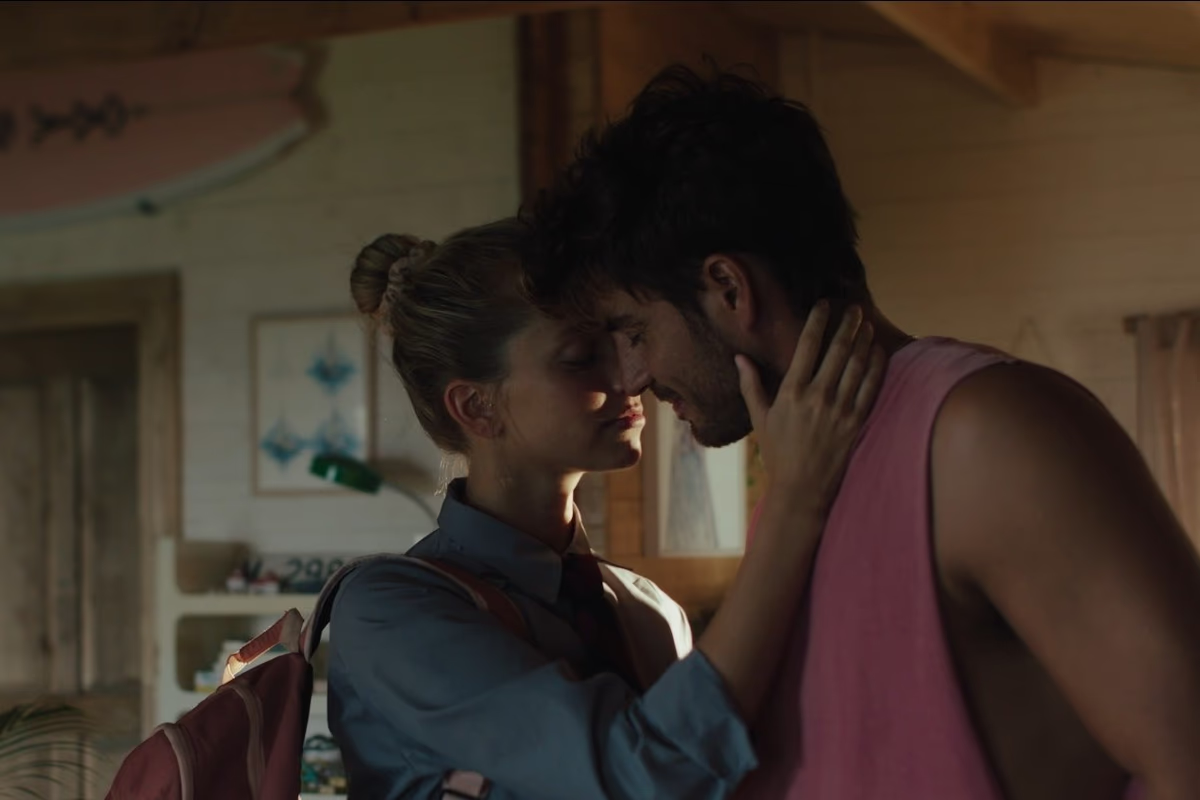
Spanish Romance 'All That We Never Were' Charms France and India
Jorge Alonso's poignant romantic drama, based on Alice Kellen's bestseller, is making waves internationally. The film has secured distribution deals in France and India, signaling its growing global appeal.