 WeCult App
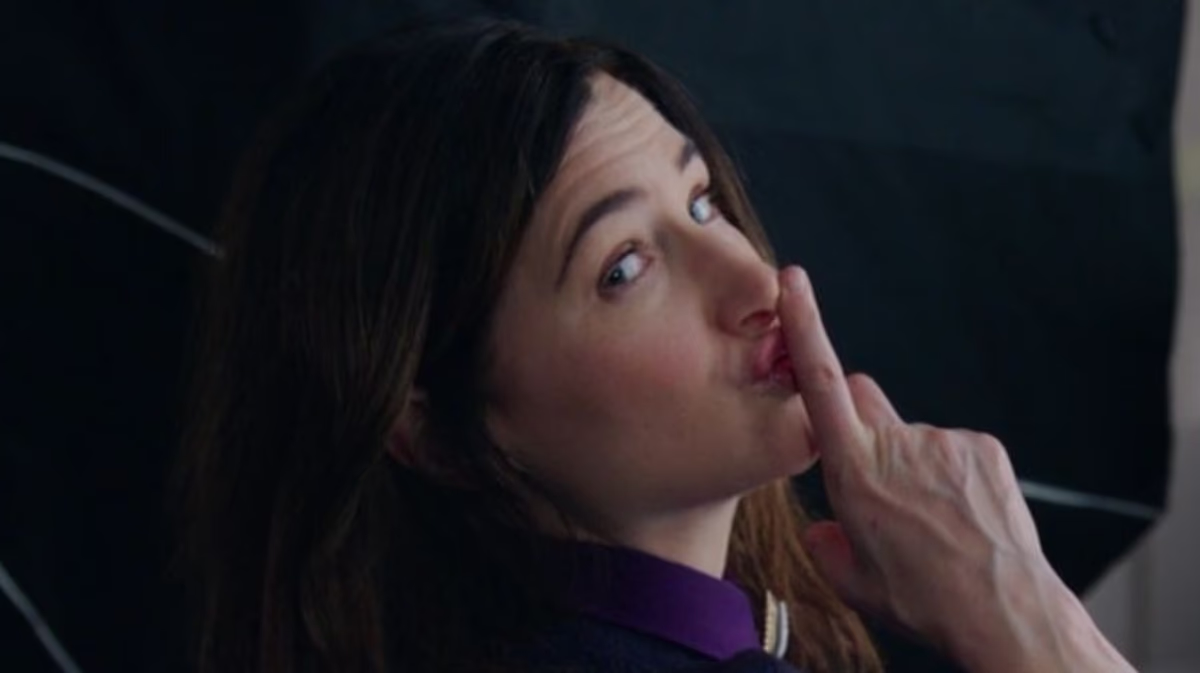
Agatha Harkness' VisionQuest Absence: Why Marvel Avoided a Villain Repeat
Fans were left wondering why the formidable Agatha Harkness was nowhere to be seen in Marvel's recent VisionQuest. The decision, however, stems from a strategic move to evolve the narrative beyond the pitfalls of its predecessor.
The return to the world of Wanda Maximoff's foundational MCU series was met with a mix of anticipation and confusion regarding the absence of one of its most charismatic figures: Kathryn Hahn's Agatha Harkness. While her own spin-off, Agatha: House of Harkness, is on the horizon, her presence was conspicuously missing from Marvel's VisionQuest, the show positioned as the third and final chapter in the WandaVision saga. This omission wasn't an oversight, but a calculated step to course-correct a narrative dynamic that had, arguably, faltered in the original series.
WandaVision itself faced a unique challenge. The show masterfully subverted expectations, revealing that the supposed antagonist, the nosy neighbor Agnes, was none other than the ancient and powerful witch Agatha Harkness. This twist, while brilliant for the initial surprise, left the series without a clear, external villain to drive the core conflict. The marketing, and indeed much of the viewer's initial engagement, relied heavily on the mystery of Westview and Wanda Maximoff's own unraveling, rather than a traditional hero-villain confrontation. VisionQuest, aiming to learn from this, deliberately sought to establish a different supervillain dynamic, moving away from the ambiguity that defined its predecessor.
A New Villainous Equation
The core reason for Agatha Harkness's absence appears to be VisionQuest's mandate to solidify a distinct villain for its narrative. By sidelining Agatha, the series is free to introduce or focus on a new antagonistic force, ensuring that this final chapter of the WandaVision trilogy doesn't suffer from the same lack of a clear antagonist. This strategic choice is crucial for establishing stakes and providing a focused conflict that can effectively conclude the arc initiated by WandaVision and explored in Agatha: House of Harkness. The goal is to avoid repeating the situation where the most compelling villain was revealed to be a supporting character whose true identity was the central mystery.
Fan Discourse and Future Implications
Naturally, the absence of Kathryn Hahn has sparked considerable discussion among fans. Agatha Harkness quickly became a breakout character, beloved for her wit, power, and Hahn's captivating performance. Her solo series, Agatha: House of Harkness, is expected to delve deeper into her origins and motivations, suggesting that her story is far from over. However, for VisionQuest to stand on its own and deliver a satisfying conclusion to the overarching narrative, it needed to forge its own path, which unfortunately meant leaving this fan-favorite witch on the sidelines for now. The focus shifts to what new threats the Vision might face, and how this narrative evolution will set the stage for Agatha's own solo adventures.
What's Next
While details about VisionQuest's specific villain and plot remain under wraps, the series is slated for release in 2026. Fans eager to see Kathryn Hahn back in her coven robes can look forward to Agatha: House of Harkness, which is expected to premiere on Disney+.
Marvel's decision to sideline Agatha Harkness in VisionQuest highlights a fascinating trend in franchise storytelling: the deliberate avoidance of repeating past narrative structures, even when it means sidelining a fan-favorite character.




WeCult App
Track your series — all in one place
Follow releases, track progress, discover what matches your taste. Rate "Agatha Harkness' VisionQuest Absence: Wh…" on the app.
More Like This
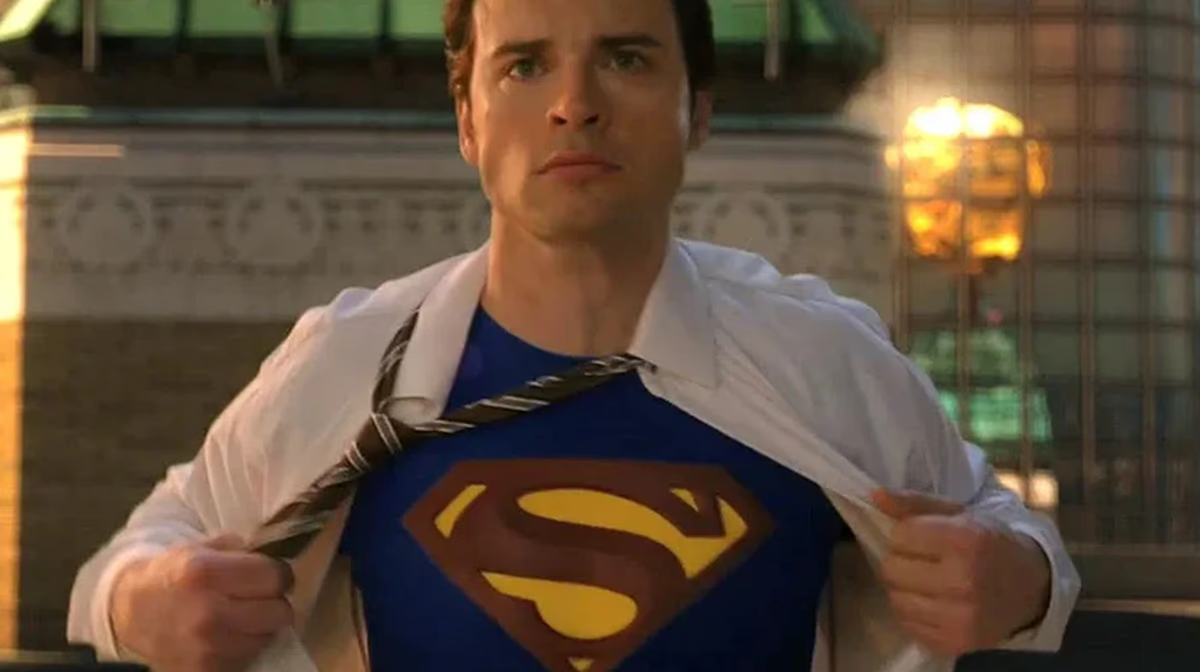
Smallville Finale: Tom Welling Reveals Why Superman's Suit Stayed Hidden
For years, fans have debated why Clark Kent never fully donned the iconic Superman suit in the Smallville finale. Now, Tom Welling himself has shed light on the creators' deliberate choice.
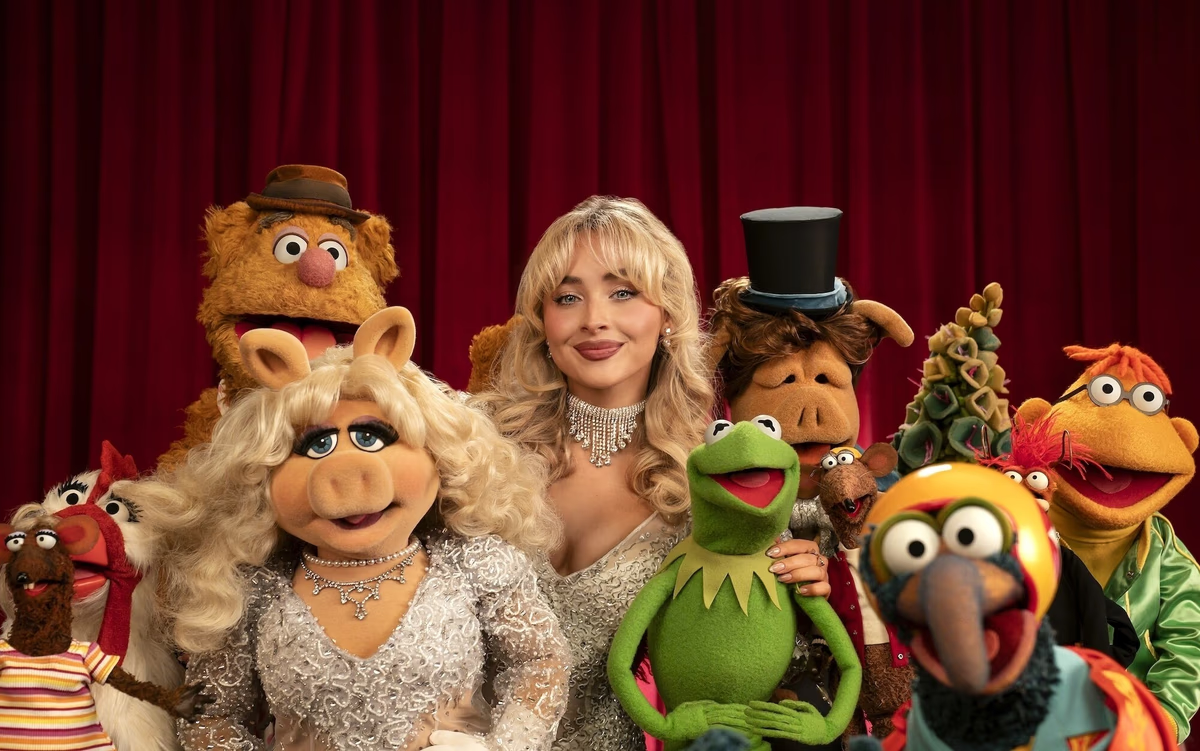
The Muppets' 50-Year Journey: How a Beloved Show Almost Never Was
Before Kermit and the gang took over television screens, their beloved variety show faced immense hurdles. Now, a new special celebrates their enduring legacy and hints at a potential future.

Netflix's Best Musicals: Why 'Emilia Pérez' Missed the Cut
Netflix has become a surprising haven for original musicals, but one highly anticipated film has landed on the wrong side of critical reception. We dive into why 'Emilia Pérez' failed to make a top 10 list, despite its award buzz.