 WeCult App

Fortnite Lawsuit: Dutch Group Seeks €100M Over Claims of Misleading Young Players
A Dutch consumer organization has launched a class-action lawsuit against Epic Games, demanding over €100 million in compensation. The suit alleges that Fortnite's design practices unfairly targeted and misled young players.
A significant legal battle is brewing in the Netherlands, as consumer group Stichting Massaschade & Consument (SMC) has filed a class-action lawsuit against Epic Games, the creators of the global phenomenon Fortnite. The lawsuit seeks a staggering sum of over €100 million, with allegations that Epic Games has employed deceptive practices that specifically preyed upon and misled young Fortnite players. This legal challenge brings to the forefront persistent concerns surrounding the monetization strategies within popular online games, particularly when they involve minors.
The core of the complaint centers on the idea that Epic Games failed to adequately inform consumers, especially children and teenagers, about the potential for addiction and the psychological tactics used to encourage in-game spending. The Dutch consumer authority previously fined Epic Games €1.1 million in 2024 for using FOMO (Fear Of Missing Out) tactics and timed sales that targeted children. While that fine was relatively small for a company of Epic Games' stature, it signaled a pattern of scrutiny regarding their business practices. This new, much larger lawsuit aims to hold Epic Games accountable for allegedly profiting from vulnerable young players, including claims related to the collection and use of children's personal data.
The Battle Over **Fortnite**'s Design
This lawsuit is not an isolated incident. Similar concerns have been raised globally regarding the addictive potential of games like Fortnite, with parents and advocacy groups questioning whether developers have done enough to implement safeguards. The game's structure, featuring limited-edition items, seasonal events, and battle passes, is designed to keep players engaged and encourage regular spending. Critics argue that these mechanics can exacerbate addictive behaviors, particularly in younger players who may not fully grasp the value of real-world currency or the long-term implications of their in-game purchases. The ongoing legal proceedings in the Netherlands will be closely watched by the wider gaming industry, as they could set a precedent for how game developers are held responsible for the impact of their monetization strategies on young audiences.
What This Means for **Fortnite** Fans
For the millions of passionate Fortnite players worldwide, especially those who are younger, this lawsuit underscores the ongoing debate about fair play and consumer protection in the digital age. While Fortnite remains an incredibly popular and engaging experience, the allegations raise important questions for parents about the game's design and its potential effects on their children. The outcome could lead to significant changes in how Epic Games, and potentially other developers, approach in-game economies and marketing aimed at young demographics. The core of the issue lies in the balance between creating compelling gameplay loops and ensuring that these mechanics do not exploit or harm players.
Looking Ahead
The legal process is expected to continue through 2026, with further developments anticipated as the case progresses through the Dutch court system. Details regarding specific court dates or potential resolutions have not yet been announced, but the substantial compensation being sought indicates the seriousness with which the SMC is pursuing this matter.
This legal action highlights ongoing concerns about loot boxes, FOMO tactics, and in-game spending pressures specifically affecting younger demographics in live-service games.
WeCult App
Track your games — all in one place
Follow releases, track progress, discover what matches your taste. Rate "Fortnite Lawsuit: Dutch Group Seeks €100…" on the app.
More Like This
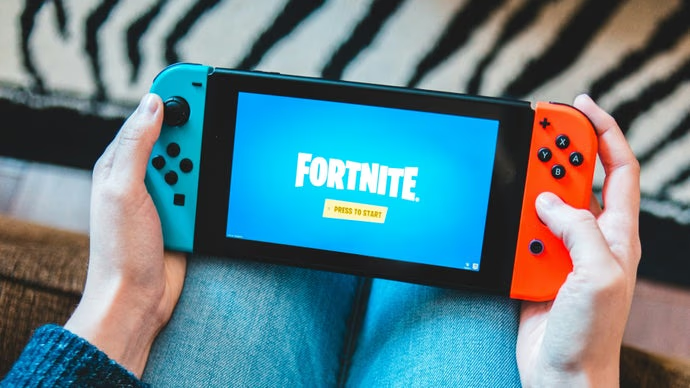
Epic Games Settles with Fortnite Leaker, Bans Contractor Permanently
A former contractor accused of leaking confidential 'Fortnite' collaboration details has reached a settlement with Epic Games. The agreement aims to prevent future leaks by permanently barring the individual from accessing Epic's sensitive information.

Epic Games Settles With Fortnite Leaker AdiraFN
Epic Games has reached a proposed settlement with a former contractor accused of leaking confidential Fortnite information. The agreement aims to prevent further disclosures of trade secrets.
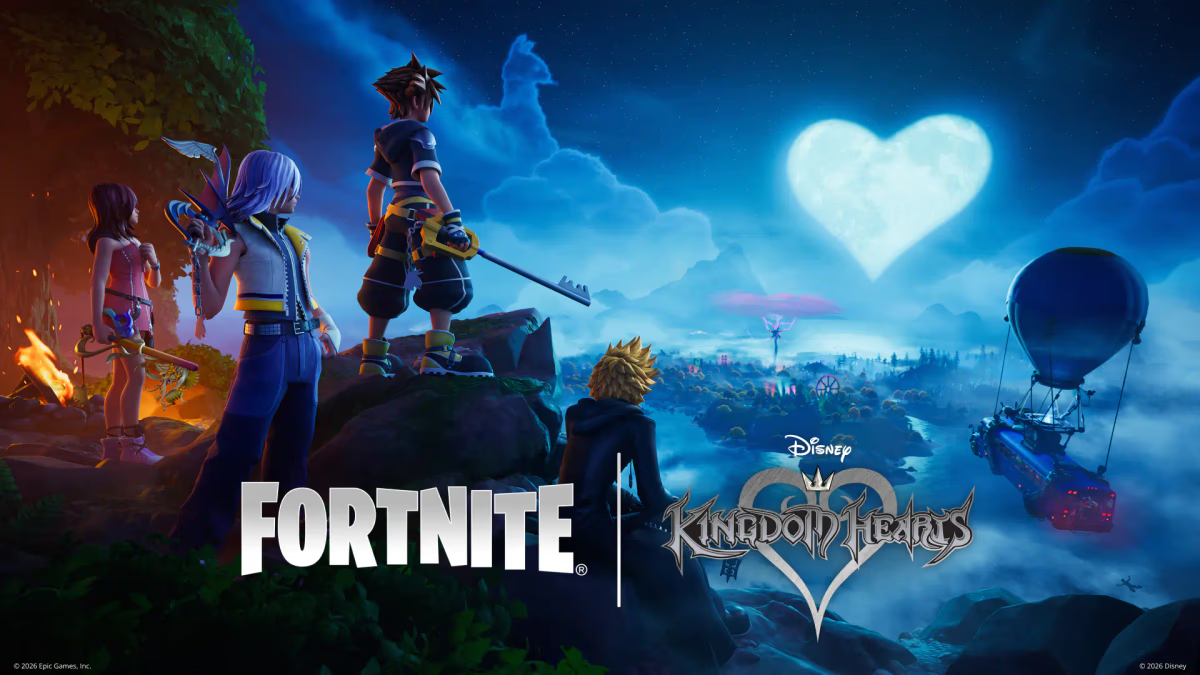
Kingdom Hearts Skins Finally Arrive in Fortnite September 17
The iconic worlds of Kingdom Hearts and Fortnite are colliding, with beloved characters set to appear in Epic Games' battle royale. Get ready to wield the Keyblade in a whole new arena.