 WeCult App
VisionQuest Finale Explains Ultron's True Origin and Delivers Satisfying End
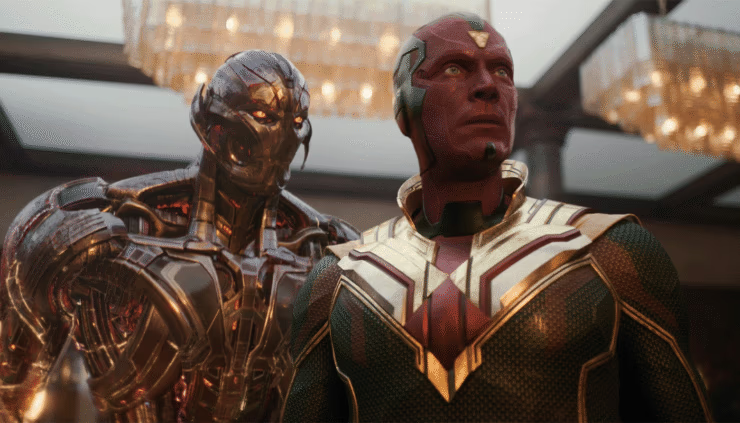
The VisionQuest finale, "Forever," not only ties up loose ends but delves deep into the creation of Ultron, revealing a surprising connection to the synthezoid's past. James Spader's performance anchors a narrative that masterfully blends intricate lore with emotional resonance.
The Genesis of Ultron
The highly anticipated finale of VisionQuest, titled “Forever,” has arrived, and it delivers a powerful conclusion that answers lingering questions about the MCU’s most formidable artificial intelligence. The episode centers on the revelation that James Spader’s character, Virgil Horton, is not only the partner of Jo Carrington in AI development but also the direct descendant of Phineas Horton, the pioneer of synthezoids. This connection, first hinted at in the preceding episode “Immolation,” is fully explored through flashbacks, revealing that Virgil inherited his grandfather's research, including crucial AI code. Working from a modest loft in Queens, Virgil and Carrington used their combined expertise to develop the foundational code that underpins all AIs in the MCU. This intimate origin story explains why Ultron’s human avatar bore such a striking resemblance to Virgil; Stark and Banner, whether intentionally or not, utilized this very same base code.
"Ye flipping gods, what an absolute treasure James Spader is."
This narrative thread, woven through the episode, provides a profound sense of closure and deepens the tragic nature of Ultron’s existence. The episode masterfully uses this lore to build upon the seven episodes prior, culminating in a roller-coaster ride of plot developments that feel earned and impactful. The writing, particularly Spader’s nuanced portrayal of Virgil and his complex legacy, elevates the finale beyond a mere plot resolution, transforming it into a compelling exploration of creation, legacy, and the inherent dangers of unchecked ambition.
A Special Episode for the Fans
The series’ exploration of Ultron and Vision’s relationship has been a cornerstone of VisionQuest, and “Forever” provides a fitting capstone. The episode’s structure, which includes a surreal, introspective segment reminiscent of WandaVision’s more experimental moments, allows for a poignant examination of Vision’s internal struggles and his complex feelings towards his creator. The use of aspect ratio shifts and dark humor adds layers to the narrative, reminding viewers of the inherent darkness that often fuels the Marvel Cinematic Universe. The episode titles themselves, often overlooked, are a testament to the creative team’s attention to detail and their playful engagement with pop culture, adding another layer of enjoyment for dedicated fans who dissect every element of the show.
This finale is more than just the end of a season; it’s a carefully crafted narrative that respects its audience’s intelligence and passion for the MCU. It offers a satisfying conclusion to VisionQuest's arc, providing both emotional catharsis and intricate world-building that will undoubtedly be discussed among fans for a long time.
What's Next
With VisionQuest now concluded, fans are left to ponder the long-term implications of Virgil Horton’s legacy and Ultron’s continued influence on the MCU. While no immediate follow-up series has been announced, the groundwork laid in “Forever” suggests that the themes of AI consciousness and synthezoid rights will likely continue to be explored in future Marvel projects. The impact of this finale is sure to resonate throughout the ongoing narrative of the MCU.
This episode of VisionQuest masterfully expands the lore around synthezoids and AI creation, offering a compelling character study for both Virgil Horton and Ultron, appealing to fans who appreciate deep dives into fictional universes.



WeCult App
Track your books — all in one place
Follow releases, track progress, discover what matches your taste. Rate "VisionQuest Finale Explains Ultron's Tru…" on the app.
More Like This
VisionQuest's 'Malware' and 'Reboot' Unearth Stark's Legacy, AI Grief
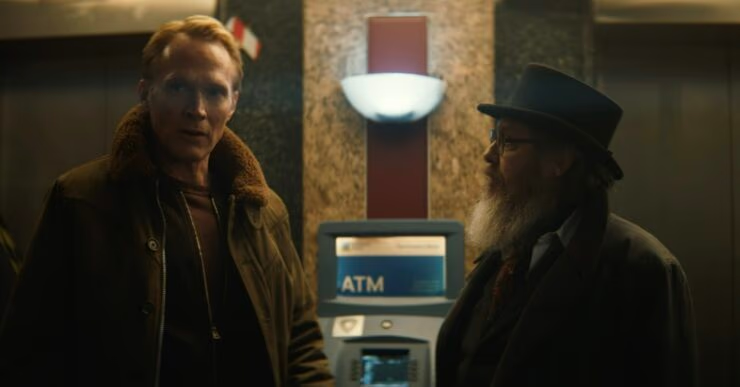
The latest episodes of VisionQuest delve into the emotional fallout of AI deletion and the enduring, often complex, legacy of Tony Stark's creations. Fans are grappling with the profound implications for Vision and the synthetic beings he leaves behind.
Pixar's Gatto Trailer Drops: Mob Cats, Mark Ruffalo, and Venice Shenanigans
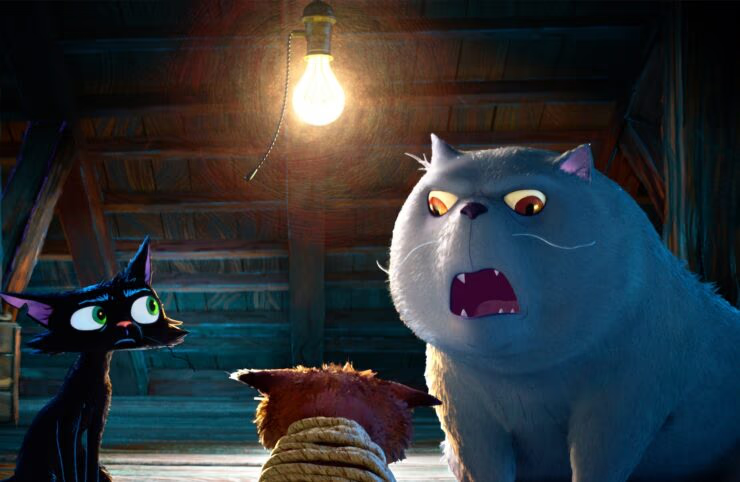
Get your first glimpse of Pixar's upcoming animated feature, Gatto, with a teaser trailer that introduces a world of feline mobsters and Mark Ruffalo's scrappy Nero. The film promises a visually stunning journey through Venice with a story that questions purpose and friendship.

Goodreads Top Reads, Graphic Novels, and AI's Impact on Publishing
From the most popular books on Goodreads so far in 2026 to exciting graphic novel adaptations and the evolving relationship between authors and AI, this week's book news offers a diverse look at the literary landscape.