 WeCult App
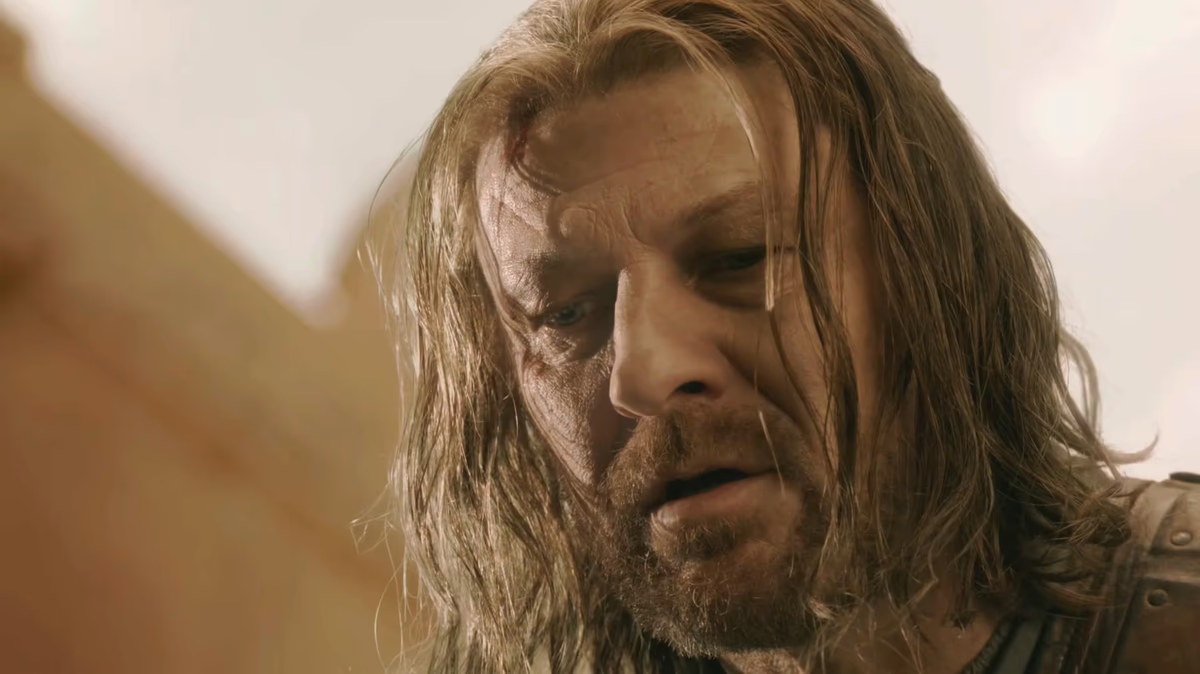
Why Ned Stark's Death Forced Robb's Red Wedding Fate, Per GRRM
George R.R. Martin reveals the strategic brilliance behind Ned Stark's shocking demise in Game of Thrones. It wasn't just about subverting expectations; it was a necessary domino to ensure Robb Stark's tragic end and clear Jon Snow's path.
The moment Ned Stark met his end at the hands of the Lannisters in the Season 1 finale of Game of Thrones was a watershed event, not just for the characters on screen but for the very fabric of the narrative. Creator George R.R. Martin has long maintained that this pivotal death was essential to setting the tone for the entire saga. He envisioned a story where the audience's assumptions about heroism and survival would be shattered from the outset.
"I killed Ned because everybody thinks he’s the hero and that, sure, he’s going to get into trouble, but then he’ll somehow get out of it," Martin explained. This deliberate subversion of typical fantasy tropes meant that no character, no matter how central they appeared, was safe. The death of the honorable Ned Stark was a stark, brutal message: this was not a story where goodness always triumphs easily. It immediately raised the stakes for everyone else in Westeros and signaled the unpredictable, dangerous world the Starks were now navigating.
The Unavoidable Domino Effect
Following Ned's execution, the path for his son, Robb Stark, became a tragic inevitability. With the patriarch gone and the Stark banner disgraced, Robb's rise as the King in the North was fueled by vengeance and a desperate fight for survival. However, Martin's intent was clear: Ned's survival would have fundamentally altered the narrative's trajectory, potentially allowing Robb to avoid his own grim fate or, at the very least, changing the nature of his leadership. The author's decision to kill Ned was the first domino, and the subsequent fall of Robb Stark at the Red Wedding was a direct consequence designed to maintain the show's core theme of unpredictability.
"So immediately [killing Robb] became the next thing I had to do," Martin stated, underscoring how Ned's death necessitated Robb's. This dual tragedy also served a crucial narrative purpose for other characters, notably Jon Snow. Robb's death, in particular, cleared the way for Jon's eventual rise to Lord Commander and later King in the North, a development that might not have occurred had Robb remained alive to lead.
The Stark Legacy of Sacrifice
For fans, the deaths of Ned and Robb Stark represent the heart-wrenching sacrifices that defined the early seasons of Game of Thrones. These moments cemented the show's reputation for shocking twists and its refusal to play by conventional storytelling rules. The Red Wedding, in particular, remains one of television's most brutal and unforgettable sequences, a testament to the narrative risks the show was willing to take. The understanding that even beloved, seemingly central characters could be so unceremoniously killed off fostered a deep sense of unease and investment among the audience, making every subsequent plot development feel fraught with peril.
What's Next
While the fates of Ned and Robb Stark are sealed within the narrative of Game of Thrones, the legacy of their sacrifices continues to resonate in the ongoing world of Westeros and the anticipation for George R.R. Martin's concluding novels, The Winds of Winter and A Dream of Spring.
This deep dive into GRRM's authorial intent behind Ned and Robb's deaths offers crucial insight into the thematic foundation of 'Game of Thrones' and its commitment to brutal realism.




WeCult App
Track your series — all in one place
Follow releases, track progress, discover what matches your taste. Rate "Why Ned Stark's Death Forced Robb's Red …" on the app.
More Like This

Westworld and Game of Thrones Shared a Secret, Dragon-Sized Cameo
Two of HBO's most iconic series, Westworld and Game of Thrones, quietly intersected in a blink-and-you'll-miss-it moment. This subtle nod, inspired by George R.R. Martin himself, connected the sci-fi future with Westerosi fantasy.

RJ Mitte's Cause of Death Revealed: 'Breaking Bad' Star Dies at 34
The entertainment world is mourning the loss of RJ Mitte, the actor who brought Walter White Jr. to life in 'Breaking Bad'. His representative has confirmed the devastating news and the cause of his passing.
Netflix's 5-Season Saga Echoes Game of Thrones and Vikings
A massive historical drama series on Netflix is drawing comparisons to beloved franchises like Game of Thrones and Vikings. This five-season epic offers a deep dive into a turbulent historical period, promising a rich narrative for dedicated binge-watchers.