 WeCult App
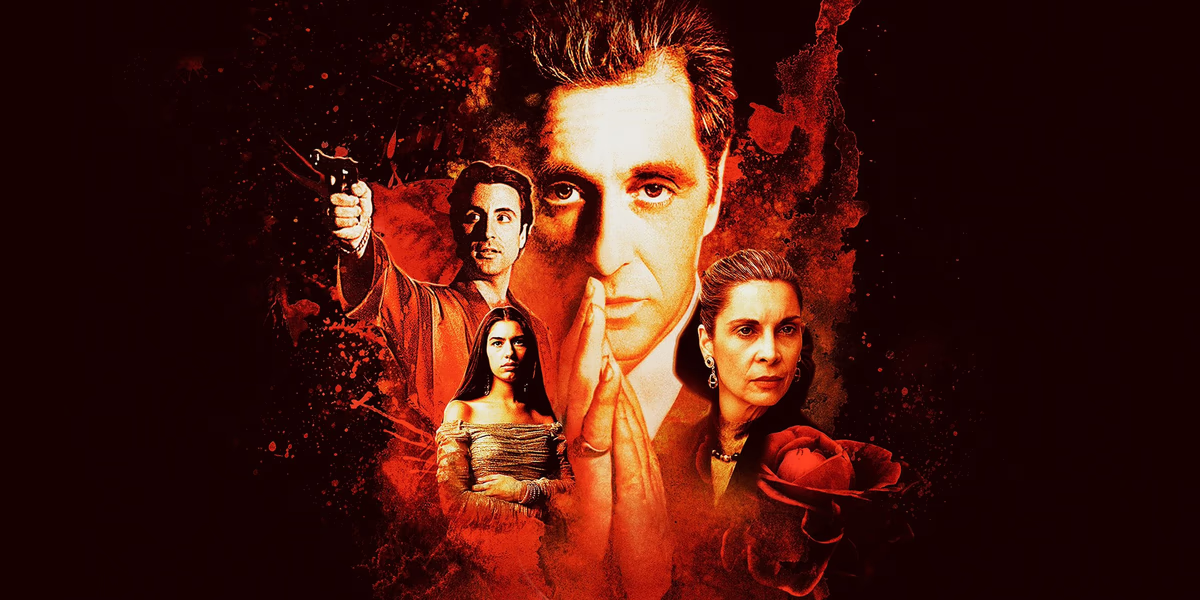
5 Movie Trilogies That Lost Their Magic Ending
Some film series start with a bang, but struggle to stick the landing. We're looking at trilogies that stumbled in their final act, leaving fans disappointed.
The allure of a cinematic trilogy is undeniable. The promise of an epic narrative arc, spanning three distinct yet connected chapters, has captivated audiences and studios for decades. From the groundbreaking Apu Trilogy to the iconic Man With No Name Trilogy, the concept of a three-part saga is deeply embedded in film history. When executed perfectly, like The Lord of the Rings or Back to the Future, these series become cultural touchstones, with each installment building upon the last to create something truly special. However, the journey to a satisfying conclusion is fraught with peril, and many ambitious trilogies falter when it comes time to wrap things up.
It's a delicate balancing act: maintaining the quality and thematic coherence that made the first films resonate while delivering a grand finale that feels both earned and surprising. Often, the pressure to escalate stakes, introduce new elements, or simply provide closure can lead to narrative missteps. This can manifest in rushed plot points, underdeveloped characters, or thematic resolutions that feel unearned. The magic that enchanted audiences in the initial installments can evaporate, leaving behind a sense of anticlimax and disappointment. The transition from a beloved two-part story to a sprawling three-act play is a challenge that has tripped up even the most seasoned storytellers, proving that a strong start doesn't guarantee a triumphant finish.
The Perils of the Third Act
The struggle to conclude a trilogy effectively is a common lament among cinephiles. While the first film often sets a high bar, and the second might expand the world and characters, the third installment carries the immense burden of tying everything together. This is where creative decisions can go awry, leading to outcomes that feel either too predictable or too convoluted. Sometimes, the original vision gets diluted by studio interference, or the story simply runs out of steam, resorting to tropes that undermine the established narrative. The expectation is a crescendo, a culmination of all the character arcs and plot threads, but too often, the third film becomes a whimper rather than a bang, leaving fans questioning the journey they took.
Fan Disappointment and Franchise Fatigue
For passionate fans who have invested time and emotion into a story and its characters, a poorly executed trilogy finale can be particularly painful. The disappointment isn't just about a single movie; it's about the perceived tarnishing of an entire series. Social media and fan forums often become battlegrounds for these discussions, with audiences dissecting every perceived flaw and lamenting what could have been. This frustration can lead to franchise fatigue, making audiences hesitant to invest in future multi-part stories, even from beloved creators. The stakes are high, as a botched ending can alienate the very fanbase that propelled the series to success, impacting the legacy of the entire saga.
What's Next for Ambitious Series
As new franchises emerge and beloved series are revisited, the specter of the "poorly ended trilogy" looms large. Filmmakers and studios are undoubtedly studying past missteps, hoping to learn from them and craft finales that resonate. The challenge remains: balancing creative ambition with audience expectations and the inherent difficulties of concluding a long-form narrative satisfyingly. Future trilogies will be judged not only on their initial promise but on their ability to stick the landing, proving that a complete story can indeed be a great one from start to finish.
Examining the often-treacherous path of trilogy conclusions reveals a fascinating pattern in audience expectations versus cinematic execution.



WeCult App
Track your films — all in one place
Follow releases, track progress, discover what matches your taste. Rate "5 Movie Trilogies That Lost Their Magic …" on the app.
More Like This
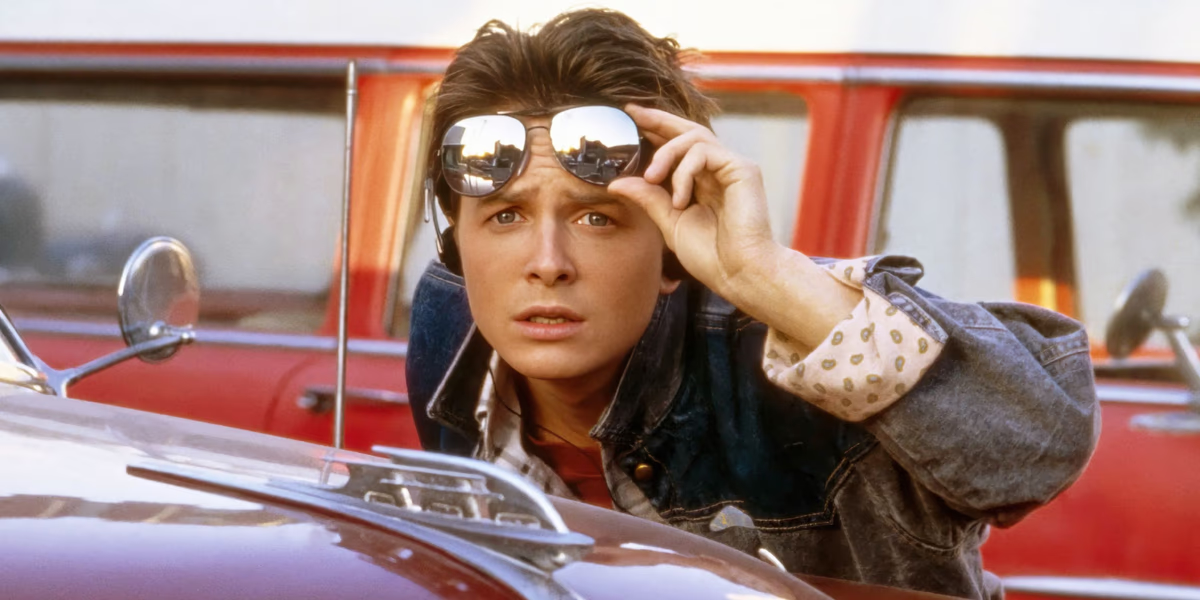
10 Movie Trilogies That Hit Every Single Mark
From epic sagas to groundbreaking sci-fi, these are the trilogies that have earned their legendary status, proving that three films are often better than one.
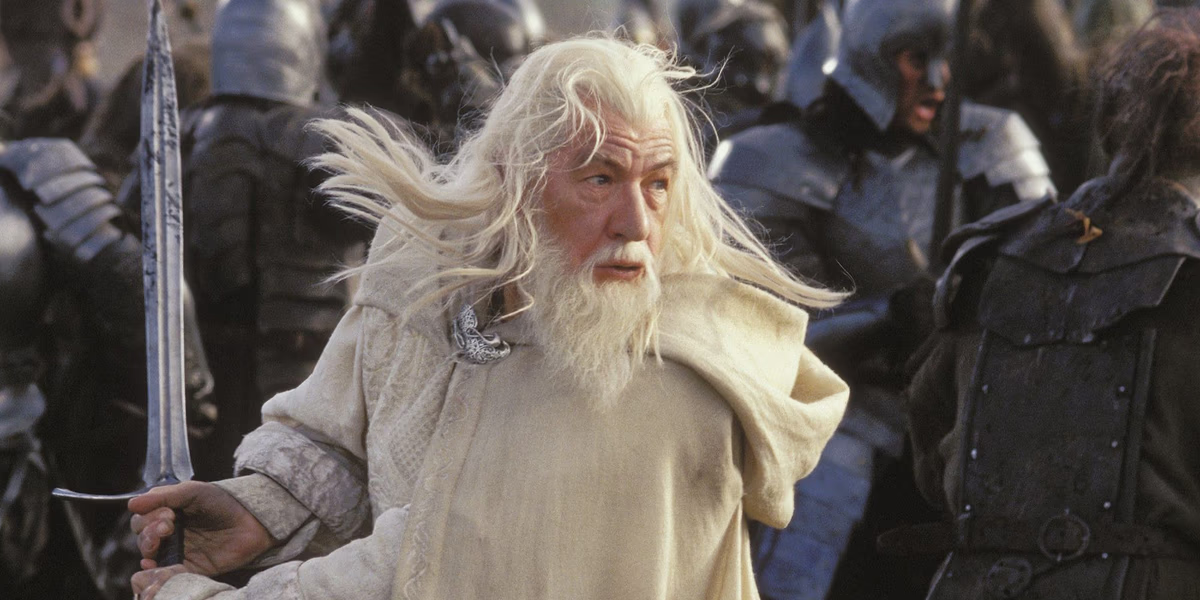
5 Movie Trilogies That Rival The Lord of the Rings' Epic Scope
While the journey to destroy the One Ring remains unparalleled, several other cinematic sagas have achieved legendary status. Discover which film series stand shoulder-to-shoulder with Middle-earth's grand adventure.
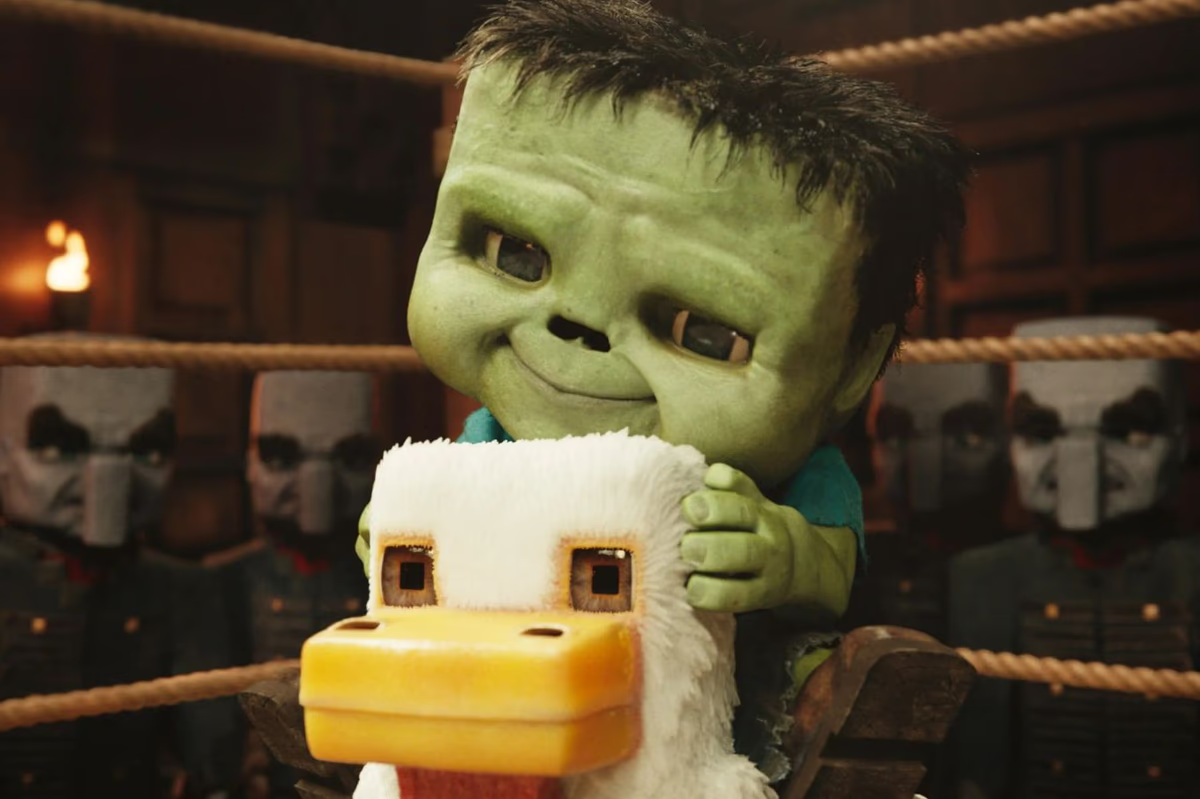
A Minecraft Movie Squared Officially Announced for July 2027 Release
The highly anticipated sequel to the blockbuster Minecraft film has a new title and a firm release date. Get ready to dive back into the blocky world.