 WeCult App
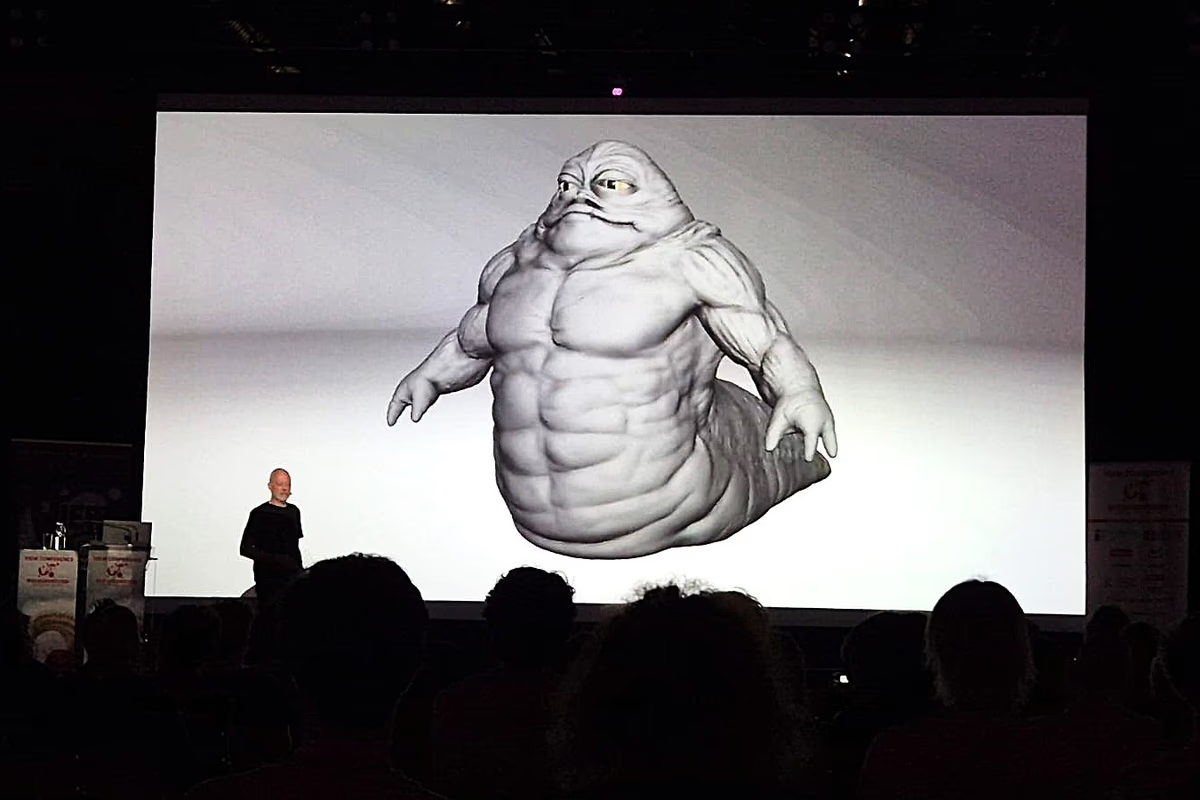
Mandalorian and Grogu: Hal Hickel on Rotta's Redesign & Favreau's 'Jackass' Approach
Animation supervisor Hal Hickel dives into the creature design for 'The Mandalorian and Grogu,' revealing the inspiration behind Rotta the Hutt's athletic build. He also touches on Jon Favreau's unique vision for bringing classic Star Wars elements to life.
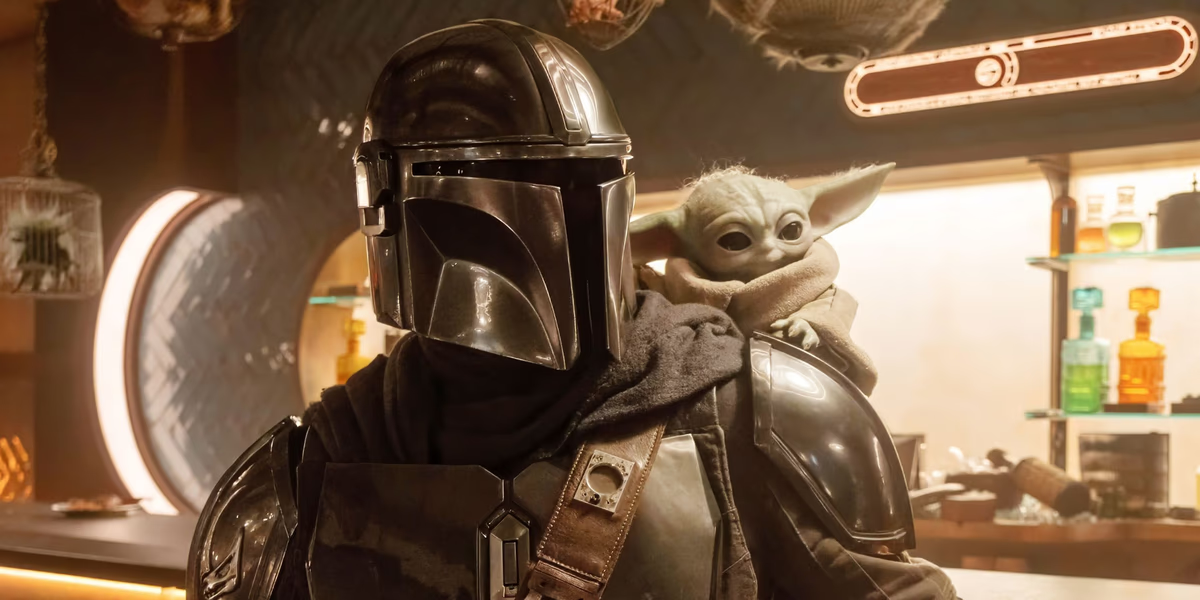
The galaxy far, far away is always expanding, and with 'The Mandalorian and Grogu' set to hit screens, the visual effects wizards behind the magic are sharing their insights. Hal Hickel, the animation supervisor at Industrial Light & Magic (ILM), has been instrumental in bringing the creatures of this universe to life, continuing his work with Jon Favreau since the series began. For this new cinematic chapter, the focus was on making characters like Rotta the Hutt feel both familiar and dynamically real.
Hickel approached the animation of Rotta, a character with a distinct lineage in Star Wars lore, with a key question: "What would Phil do?" This refers to stop-motion pioneer Phil Tippett, whose groundbreaking work on the original Star Wars trilogy set a benchmark for creature animation. The goal for Rotta was to create a tangible, muscular, and athletic Hutt capable of believable movement, a significant challenge that aimed to balance realism with the inherent nature of the species. This continued collaboration with Favreau, a known admirer of stop-motion and Tippett's work, ensures that the tactile feel of classic filmmaking is woven into the digital tapestry of the new Star Wars adventures.
Bringing Stop-Motion Spirit to the Screen
The influence of stop-motion isn't just a philosophical nod; it's a technique that ILM actively incorporates. Hickel has worked with Tippett Studio on various projects, including The Mandalorian and The Book of Boba Fett. While past installments have featured smaller integrations, 'The Mandalorian and Grogu' presented a perfect opportunity for a more substantial homage. The film features sequences, like a colossal droid battle, that are ideal for applying stop-motion techniques. This approach lends a unique, dream-like quality to the action, reminiscent of the legendary work of Ray Harryhausen, adding a layer of artistry that resonates deeply with fans of classic cinema and creature features.
A 'Less James Bond, More Jackass' Approach
Jon Favreau's directorial style for these creatures, as described by Hickel, leans towards a playful, almost chaotic energy. Instead of the sleek, calculated movements of a spy, the inspiration is drawn from the more anarchic spirit of 'Jackass'. This suggests a willingness to embrace the unexpected and the slightly absurd, allowing the characters and their actions to feel more organic and less polished. This philosophy ensures that even the most fantastical elements retain a sense of grounded reality and, crucially, fun. It’s this blend of reverence for cinematic history and a bold, modern creative spirit that keeps audiences captivated, proving that the heart of Star Wars beats strong.
What's Next
While specific release dates for 'The Mandalorian and Grogu' have not yet been announced, the ongoing work on this film, alongside other upcoming Star Wars projects like Skeleton Crew, indicates a robust future for the franchise on screen. Fans can anticipate further innovations in visual effects and storytelling that continue to honor the legacy of Star Wars.
This piece offers a fascinating glimpse into the creative process behind a beloved Star Wars property, blending practical effects philosophy with digital artistry.


WeCult App
Track your films — all in one place
Follow releases, track progress, discover what matches your taste. Rate "Mandalorian and Grogu: Hal Hickel on Rot…" on the app.
More Like This
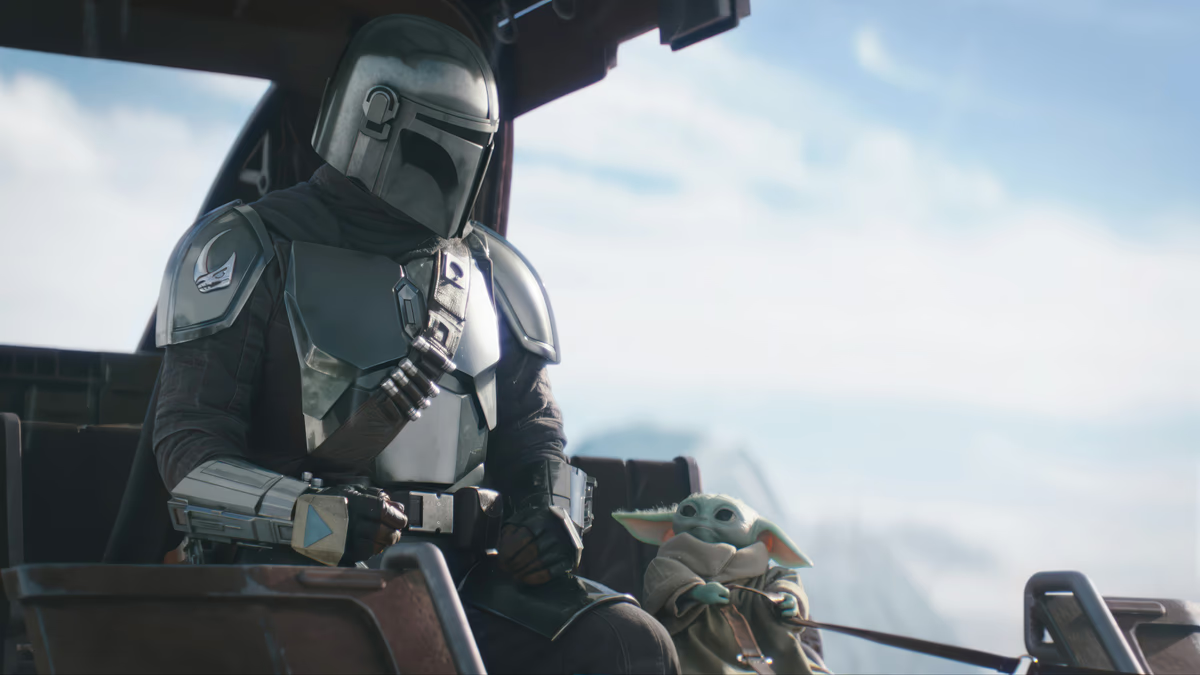
The Mandalorian and Grogu Finally Lands on Disney+ This September
After its summer theatrical run, the latest Star Wars adventure featuring everyone's favorite bounty hunter and his adorable companion is heading home. Get ready to relive the journey on your favorite streaming device.
The Mandalorian and Grogu: 8 Star Wars Cameos You Might Have Missed
The highly anticipated return to the big screen for Din Djarin and Grogu is packed with familiar faces behind the camera and in front of it. From acclaimed directors to beloved actors, this film is a love letter to the Star Wars universe.
God of War & Mandalorian Vets Reveal Cinema's Secret Influence on Games
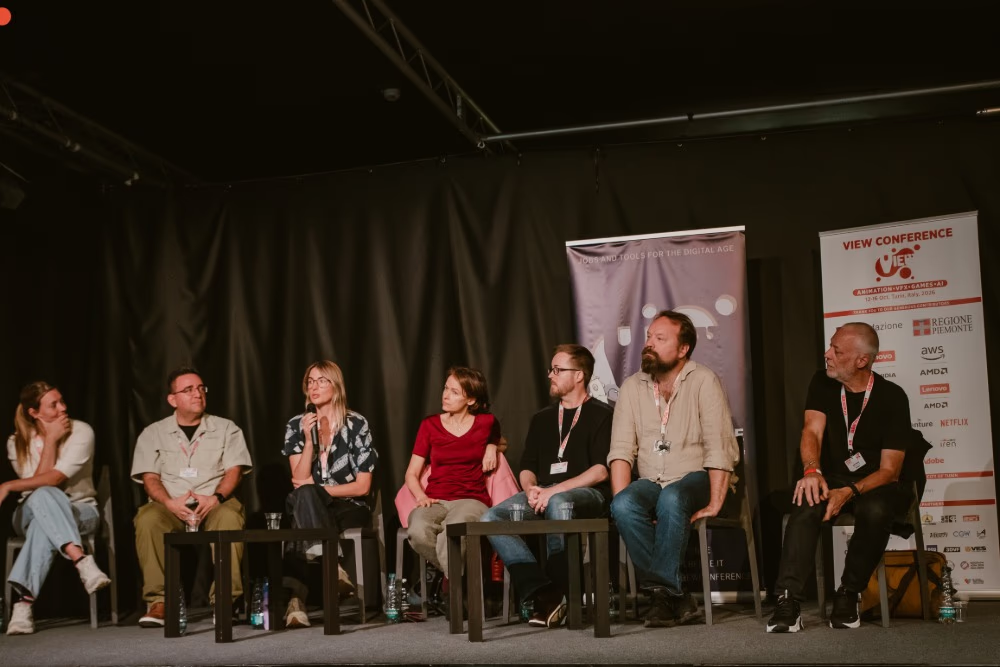
Two titans of interactive entertainment, Bruno Velazquez of 'God of War' and Hal Hickel from 'The Mandalorian & Grogu,' shared insights into the blurring lines between filmmaking and game development. Their discussion at the View Conference highlighted innovative techniques borrowed from cinema to enhance player immersion.