 WeCult App
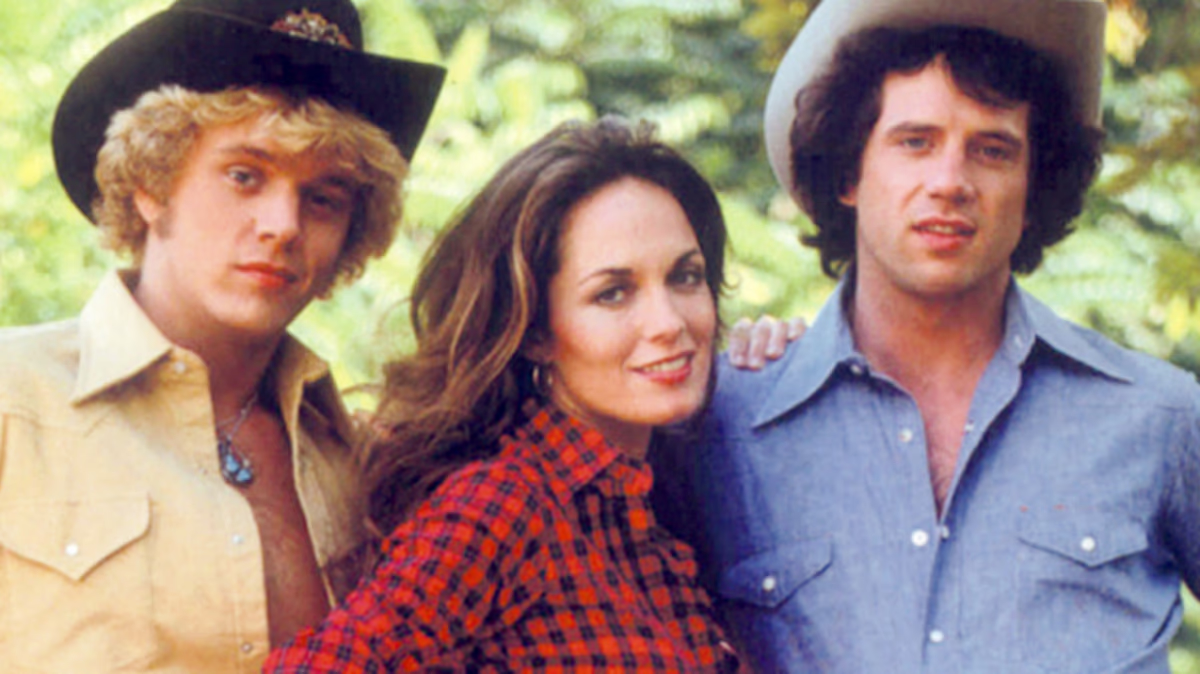
5 '70s Sitcoms That Time Forgot (And Why)
We revisit five iconic sitcoms from the 1970s and explore why their humor and storylines don't quite land with today's audiences.
Three's Company
This classic sitcom, which premiered in 1977, centered on Jack Tripper, a man pretending to be gay to keep his apartment. While its premise was built on misunderstandings and physical comedy, the show's reliance on Jack's elaborate deceptions and the often-sexist undertones now feel like a relic of a different era.
Sanford and Son
Premiering in 1972, this groundbreaking show featured Redd Foxx as Fred Sanford, a junk dealer with a penchant for faking heart attacks. Its humor, often stemming from Fred's cantankerous nature and the generational clashes with his son Lamont, was revolutionary for its time. However, some of the racial stereotypes and the overall pacing can feel slow and less impactful to modern viewers accustomed to faster comedic rhythms.
The Dukes of Hazzard
Running from 1979 to 1985, this action-comedy about the Duke cousins evading a corrupt sheriff became a cultural phenomenon. Yet, the show's most enduring visual – the Confederate flag emblazoned on the General Lee – has made it a problematic watch. The casual embrace of this symbol, coupled with its lighthearted portrayal of vigilantism, overshadows any nostalgic charm for contemporary audiences.
Welcome Back, Kotter
This 1975 sitcom followed Mr. Kotter, a former remedial student returning to teach at his old high school in Brooklyn. While it introduced John Travolta to a wider audience and featured memorable characters like Vinnie Barbarino, its jokes and character archetypes, particularly the 'sweathog' students, often feel like stereotypes that wouldn't pass muster today.
Chico and the Man
Debuting in 1974, this series starred Freddie Prinze as Chico Rodriguez, a young Chicano who becomes a partner in a garage with Ed Sawyer. The show tackled social issues and was praised for its diverse casting at the time. However, its humor often relied on ethnic stereotypes and simplistic portrayals that, when viewed through a modern lens, come across as cringeworthy rather than comedic. Bottom Line: Nostalgia is a powerful force, but these '70s sitcoms prove that not all beloved classics stand the test of time.
For binge-watchers and series fans, this list offers a critical look at how comedic storytelling has evolved, highlighting shows that were once groundbreaking but now feel dated.




WeCult App
Track your series — all in one place
Follow releases, track progress, discover what matches your taste. Rate "5 '70s Sitcoms That Time Forgot (And Why…" on the app.
More Like This

5 Beloved '80s Sitcoms That Now Feel Like Relics
We're revisiting five iconic sitcoms from the 1980s that, despite their past popularity, have aged poorly for modern audiences, sparking debate about humor and evolving social norms.
American Horror Story 13 Just Sacrificed a Fan-Favorite Character — Here's Why
The latest installment of Ryan Murphy's horror anthology series has already delivered a devastating blow, with a beloved character making a profound sacrifice in its second week. Fans are reeling from the unexpected turn of events that reshapes the season's trajectory.
O.J. Simpson Trial and Power Rangers Canceled Beloved Disney Cartoon
Two unexpected forces from the 1990s converged to cut short the run of a critically acclaimed Disney animated series. The O.J. Simpson trial's extensive coverage and the explosive popularity of Power Rangers are cited as the primary culprits.